Haas And Hahn Paint Germantown Avenue In Philadelphia

HaasHahn3

Photo: K.Scott Kreider

The dynamics of a band of musicians playing jazz depend heavily on communication, both verbal and nonverbal. All players involved need to listen to and respond in the moment, hanging onto the musical structures of rhythm and melody to bring a group of sounds into a cohesive whole.  The Dutch art duo Haas and Hahn, comprised of Jeroen Koolhaas and Dre Urhahn, have embarked on a mural project that is strikingly similar to the high wire act of jazz improvisation.

HaasHahn2

HaasHahn4

Photos: K.Scott Kreider.

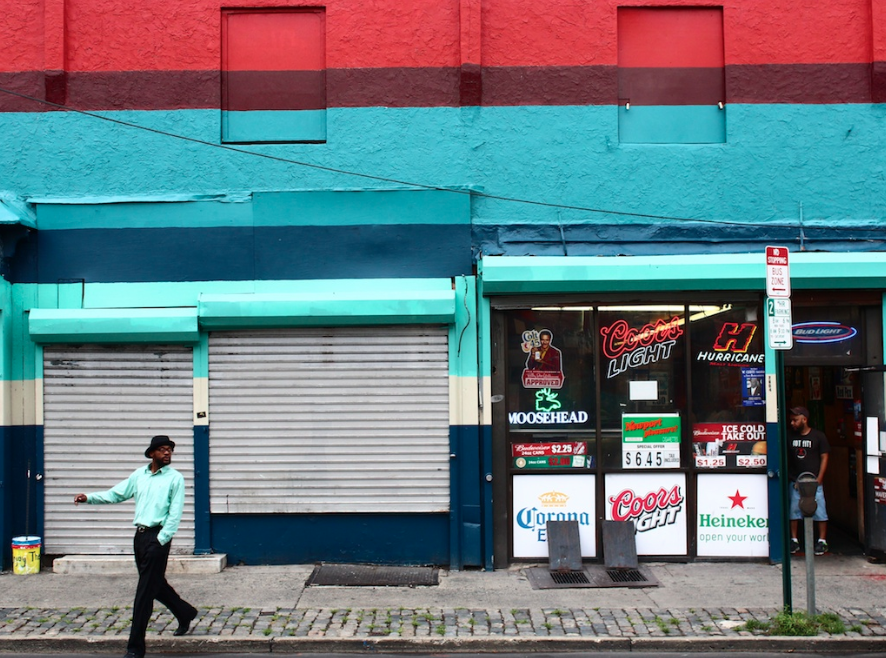
The artists were commissioned by the City of Philadelphia and its Mural Arts Program to paint a section of Germantown Avenue as part of an ongoing revitalization effort targeted at stagnant commercial corridors. Located in the central part of North Philadelphia a few blocks east of Broad Street, the neighborhood is better known for its abandoned houses than its arts scene. The pair began the project a year ago, moving into a tiny white house directly behind the Village of Arts & Humanities.

Read the full article at the Atlantic Cities here.

HaasHahn1

Photo: K.Scott Kreider

Paved The Cemetery And Put In A Parking Lot

Tombstone3

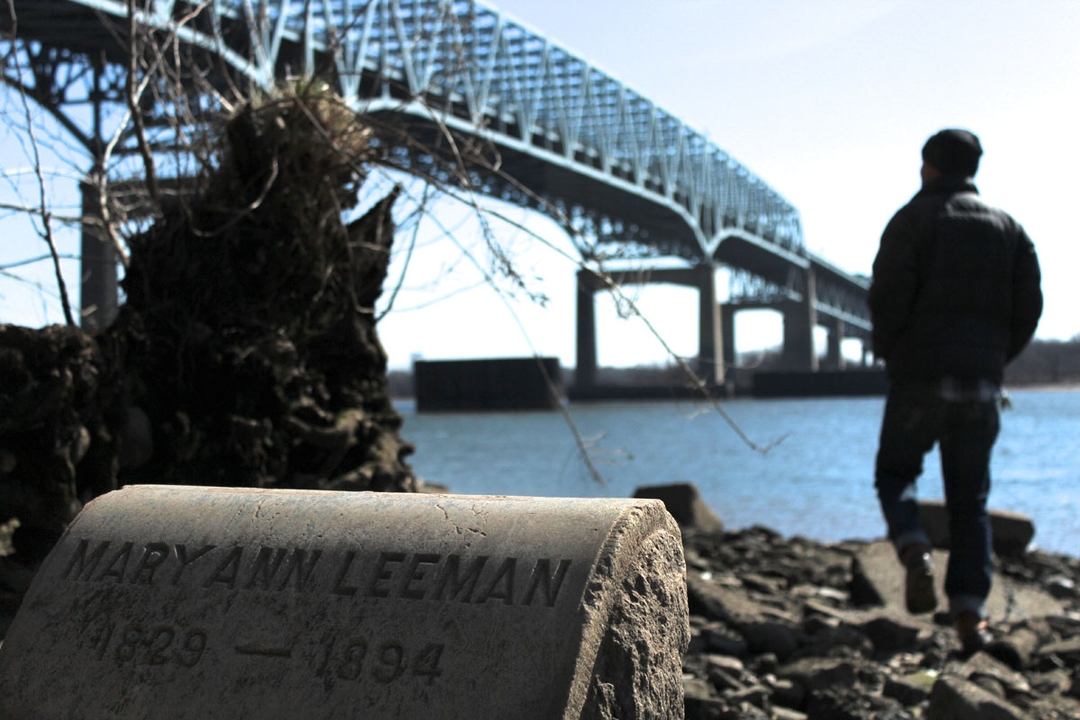
The Betsy Ross Bridge in Philadelphia seems like any other. It doesn’t have the grace of the Golden Gate or the history of the Brooklyn Bridge, nor does it draw any acolytes wanting to make the trek across. The structure exists primarily to move people, and this it does well, helping connect Pennsylvania to New Jersey. Most commuters, however, are surely unaware of what the bridge’s foundation is actually built on: a cemetery.

Read the full article at The Atlantic Cities here.

Tombstone2

Photo: K. Scott Kreider

FDR Skatepark: Philadelphia Skateboarders DIY Urban Renewal

philjackson

Photo: Phil Jackson via “FDR Skatepark: A Visual History”

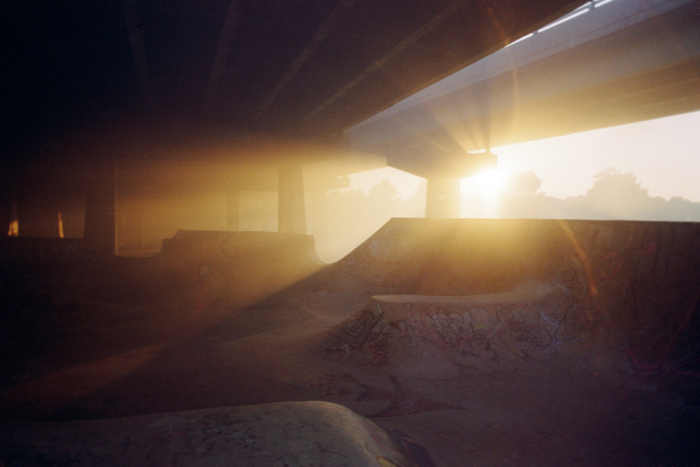
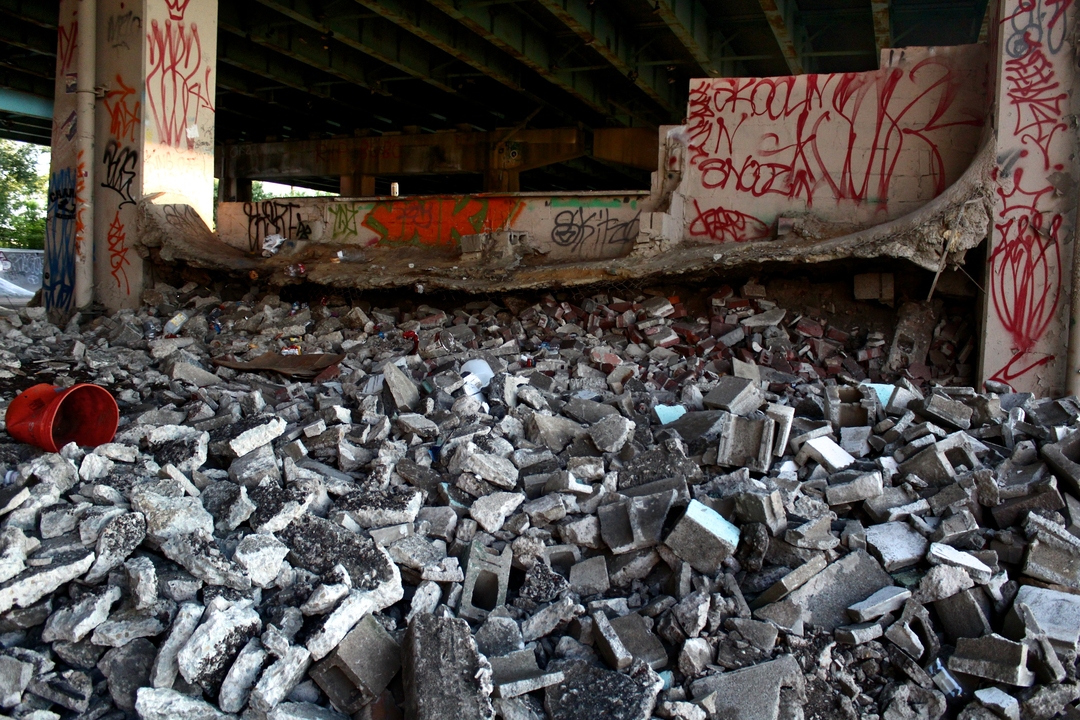
There has been a shift in recent years in the way cities look at redeveloping the urban environment. Rather than bulldozing neighborhoods to a new future–one usually consisting of parking garages or elevated ramps–cities are now repurposing existing, unused areas. The most famous example of this is the High Line in Manhattan, the unthinkable success story that has spawned numerous schemes all around the world and back again (see New York’s “LowLine”). In Philadelphia, similar efforts are being made at rehabilitating the frontage on the Delaware River, like Race Street Pier, as parks for pedestrian use. But while this repurposing tendency hasn’t always been a hallmark of city planners, it has been, and still is, a defining characteristic of skateboarders.

Read the full article on Architizer here.

FDR

Photo: K. Scott Kreider

Atlantic City’s Bad Gamble On Revel Casino

revel

Photo: K. Scott Kreider

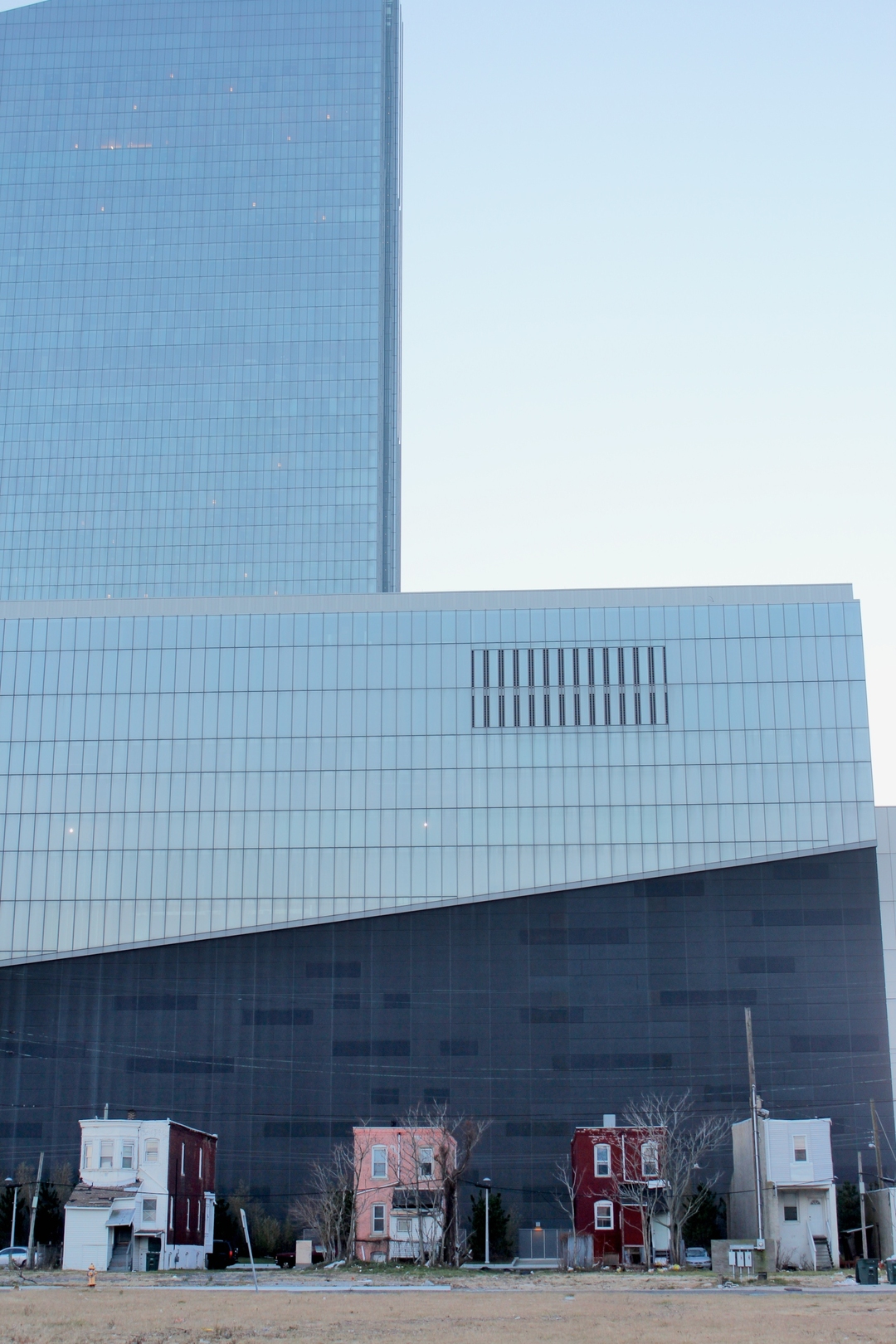
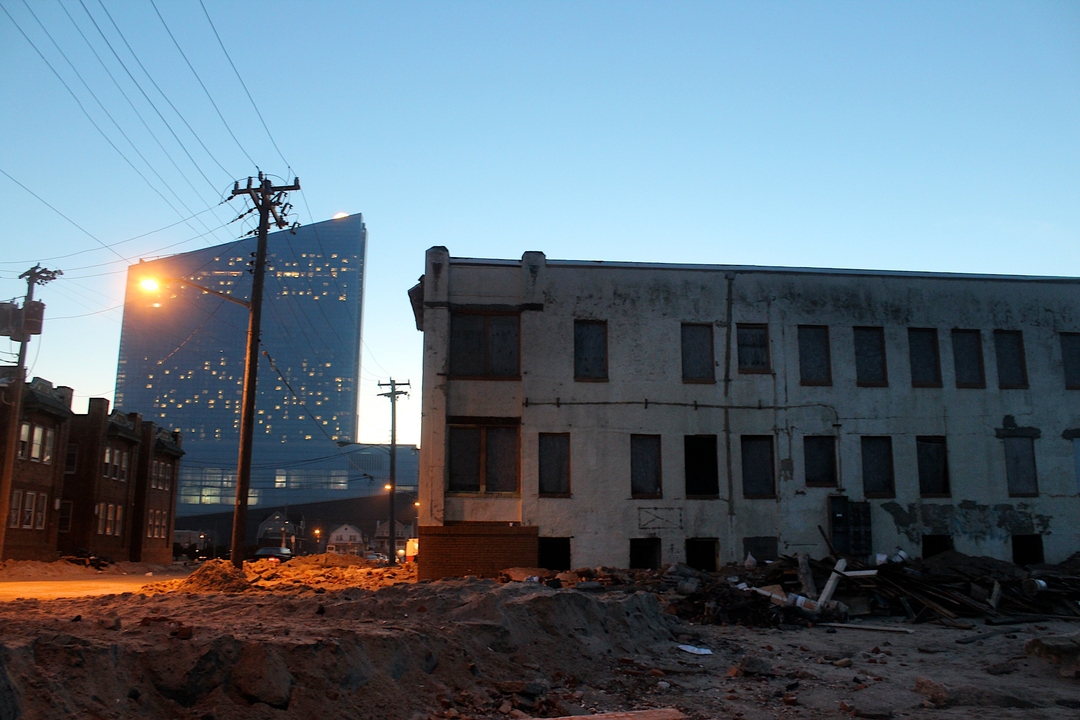
More than a year ago, Revel, the last casino to be built in Atlantic City in nine years, opened its doors to the public. At the time, Revel’s future seemed rosy: Its first weekend saw Beyonce’s triumphant return to the stage after giving birth to her daughter Blue Ivy, and revenue forecasts—albeit based on nothing but conjecture—were positive. Even Michelle Obama and her daughters showed up for the opening festivities. In fact, Revel’s appearance on the shore was said to sound the death knell for Atlantic City’s smaller casinos, which had been having problems generating revenue.

revel1

Photo: K. Scott Kreider

I was also invited to partake in a panel discussion on the role of casinos related to modern urban development by HuffPostLive.  We were interrupted by breaking news, but talked for around fifteen minutes.  You can watch the discussion here.

Read the full article at The Atlantic Cities here.

revel2

Photo: K. Scott Kreider.