Awesome Frat House Architecture

frat

School starts Tuesday, and while we’ve previously featured architecture-school designdorms designed by starchitects, and buildings that actually make you want to go to class, there’s one architectural aspect of student life we have yet to discuss: the frat house.

Now, fraternities are not generally lauded in popular culture—thanks to all the hazing, underage alcohol use or abuse, and other issues that have plagued them in recent years. Aesthetically, they are even more poorly regarded. Just think of the quintessential image of a frat brother: a disheveled John Belushi in his “College” sweatshirt (or toga) raising a bottle of Jack Daniels to his lips while standing outside the dilapidated ruins ofDelta Tau Chi.

But while architects don’t often think about the fraternity house, there are some notable frat houses out there: architecturally, historically, and also for sheer gawking pleasure. Here, we present a brief survey or frat-house architecture, from the historically landmarked and the surprisingly modernist to the unabashedly tacky.

Read the full article on Architizer here.

frat1

Image via.

Get Sun! Everything You Need To Know About Passive Solar Design

BridgeHouse

Bridge House by Max Pritchard Architect

Imagine freedom from paying your bills. Not all of them, of course. Just a few—namely gas, oil, and electric.

Building a house using passive solar design principles can allow the home to go off the grid for all or many heating and cooling needs. And, with today’s technologies and innovations, without sacrificing aesthetics or functionality.

Modern architects have harnessed the power of the sun since the 1930s. But it was rare: Builders struggled to integrate the beauty of architecture with the utilitarian aspect of engineering. It wasn’t until the oil and energy crisis of the ’70s forced architects to think of creative design solutions that solar passive techniques finally gained traction.

Read the complete article at Architizer here.

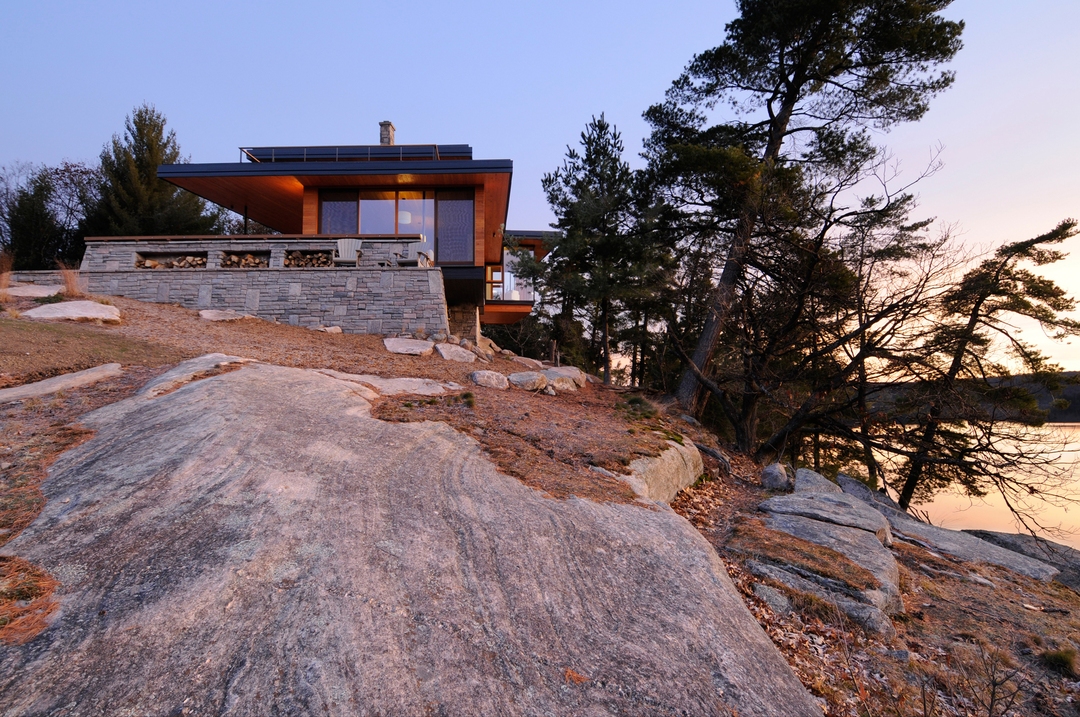
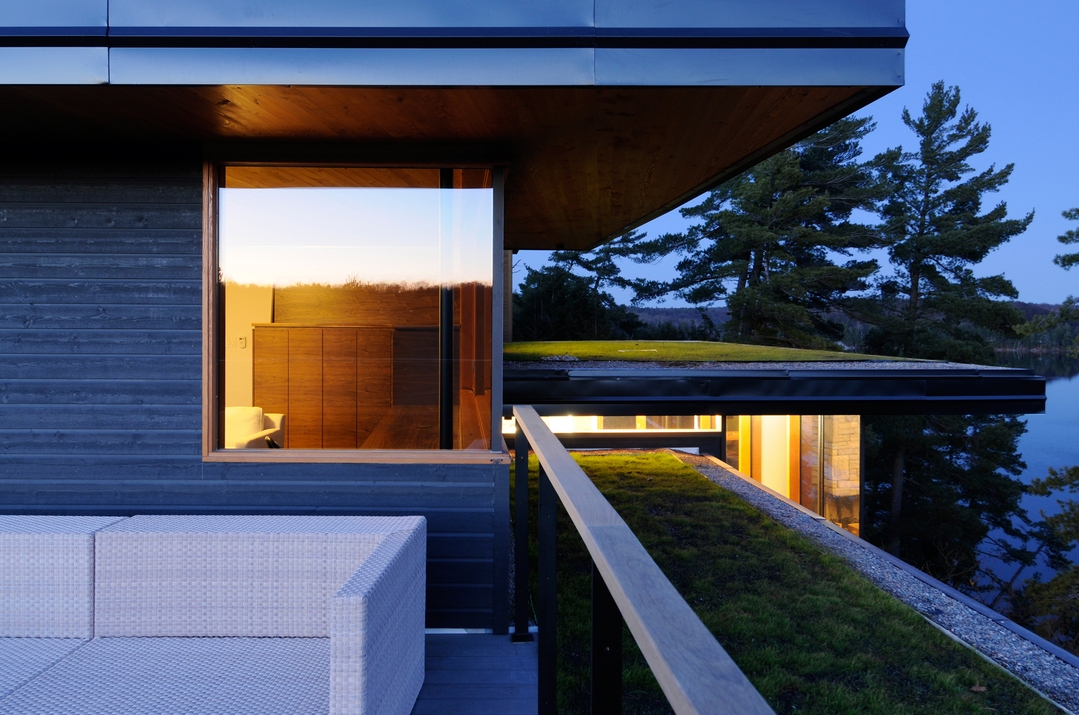
CliffHouse CliffHouse1

Cliff House by Altius Architecture, Inc

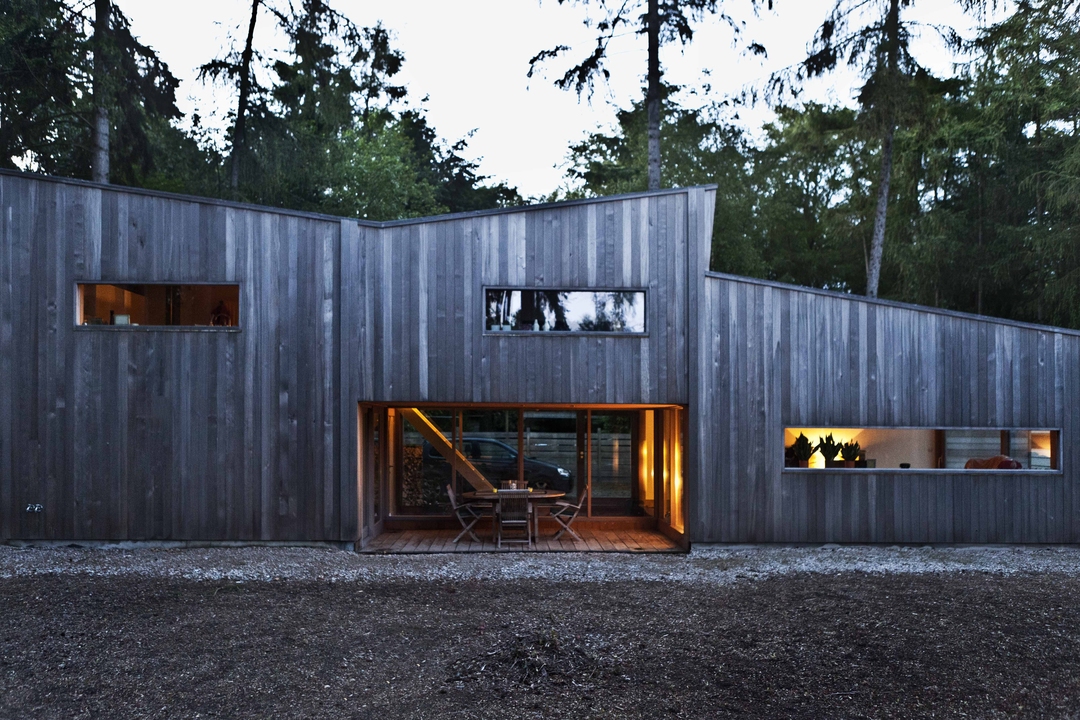
VashonIslandCabin

Vashon Island Cabin by Vandeventer + Carlander Architects

The Honest Beauty of Shibui

02a686da452f56481187715ebf8057ac

House EVTM by OYO

In August of 1960, House Beautiful published one of its most popular issues of all time, with a front page that read “Discover Shibui: The word for the highest level in beauty.” Elizabeth Gordon, the editor the magazine, wrote about shibui, saying it “describes a profound, unassuming, quiet feeling. It is unobtrusive and unostentatious. It may have hidden attainments but they are not paraded or displayed. The form is simple and must have been arrived at with an economy of means. Shibui is never complicated or contrived.” The Smithsonian Archive calls the issue “one of the most influential ever by a design magazine.”“Shibui” is a Japanese word used to describe a design aesthetic that values simple, unadorned minimalism. It is related to the concept of wabi-sabi, which is the celebration of the imperfect and transitory nature of objects in the world. The seven key components of shibui design are simplicity, implicitness, modesty, silence, naturalness, everydayness, and imperfection.

b2e9a6f96603a5c408ce06290628773a 8d6cb8300a9913e35073dce19e91bd19

La Muna by Oppenheim Architecture + Design

In August of 1960, House Beautiful published one of its most popular issues of all time, with a front page that read “Discover Shibui: The word for the highest level in beauty.” Elizabeth Gordon, the editor the magazine, wrote about shibui, saying it “describes a profound, unassuming, quiet feeling. It is unobtrusive and unostentatious. It may have hidden attainments but they are not paraded or displayed. The form is simple and must have been arrived at with an economy of means. Shibui is never complicated or contrived.” The Smithsonian Archive calls the issue “one of the most influential ever by a design magazine.”

Read the full article on Architizer here.

 b42b9d08998256737907b69def61d398

House S by Grosfeld van der Velde architecten

An Amazing Visual Tour Of European Architectural Treasures

Nightvision

Photo: Luke Shepard.

From the Renaissance until the middle of the 20th Century, artists from all over the globe would travel to Europe to pursue their trade—whether painting, sculpting, poetry, or architecture. This artistic rite of passage was known as the Grand Tour, as these cultural pilgrims traveled throughout the Continent in order to absorb what were considered the greatest works of art and architecture.

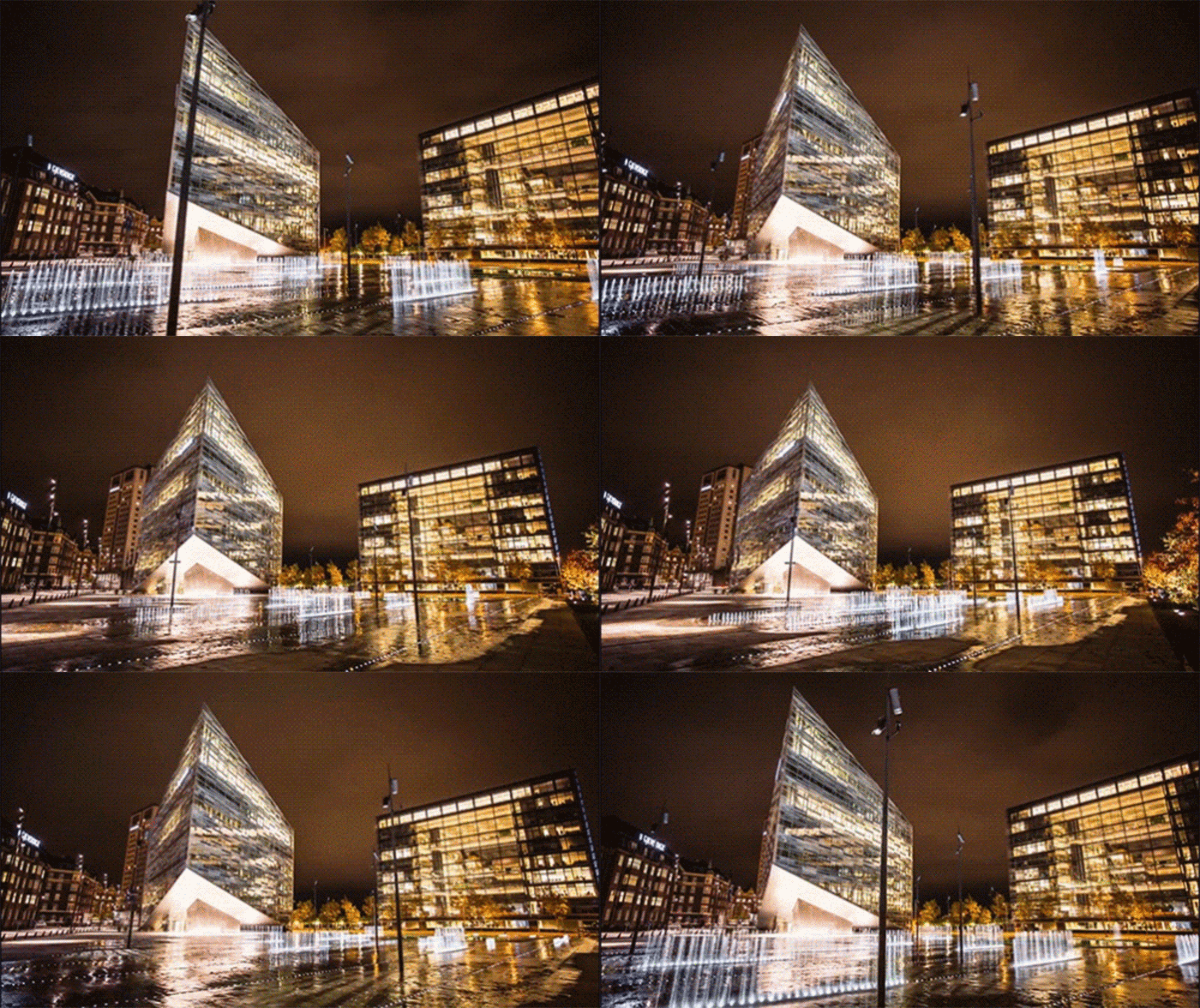
Luke Shepard, a precocious American photographer based out of Paris, has done a contemporary take on the Grand Tour, wandering through Europe photographing some of his favorite structures at night and turning it into a video named “Nightvision.”

shepardgif (1)

via Experiments in Motion

“Nightvision” includes many of the architectural icons that traveling Americans would have visited on a traditional Grand Tour of the past, such as the Roman Coliseum. But Shepard’s pilgrimage was more catholic than most, featuring such contemporary structures as Renzo Piano’s Shard in London, Calatrava and Candela’s L’Hemisferic in Valencia, and Frank Gehry’s Guggenheim Bilbao.

Like all journeys, Shepard’s did have its bumps. “The biggest obstacle [my assistant and I] encountered was weather,” he said. “Rain and snow kept us from shooting many nights and set us back. … Furthermore, freezing temperatures brought about problems with numb fingers and toes. My lens frosted over on two occasions!”

shepardgif1 (1)

via Experiments in Motion

The whole project was completed on a shoestring budget with Shepard and his assistant living on trains and in hostels, on a budget of just $100 per day between the two of them. “We were nomads,” he said.

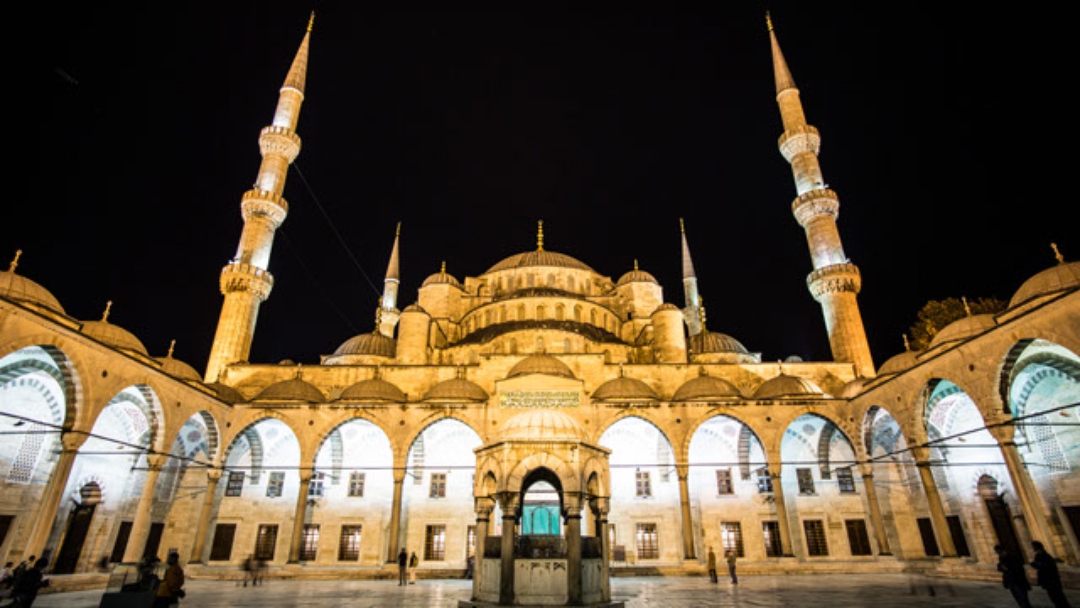
The result, however, was worth it: a stunning, rather moving grand tour through the Continent’s finest architectural monuments. Shepard’s favorite buildings in the video are the Sagrada Familia in Barcelona, the Sultan Ahmed Mosque in Istanbul, and the Atomium in Brussels. Which buildings are your favorite?

NIGHTVISION from Luke Shepard on Vimeo.

Article originally appeared on Architizer here.

IKEA’s Virtual Reality App

Ikead

Last week we speculated about the ways in which digital technology will radically alter the way we think about, arrange, and decorate our interiors.Now, we’re one step closer to that future. A new technology, from Swedish furniture manufacturer Ikea, will eliminate our need for such archaic tools as measuring tape or at least expel any lingering doubts that the couch we just ordered will actually fit in our already lived-in living room.

Read the full article at Architizer here.

Naum Gabo’s Material Gamble

NaumGabo


What the statue is supposed to look like. Model for “Construction in Space: Two Cones,” 1927. Photo © Nina & Graham Williams/Tate, London 2011 via the Tate Museum.

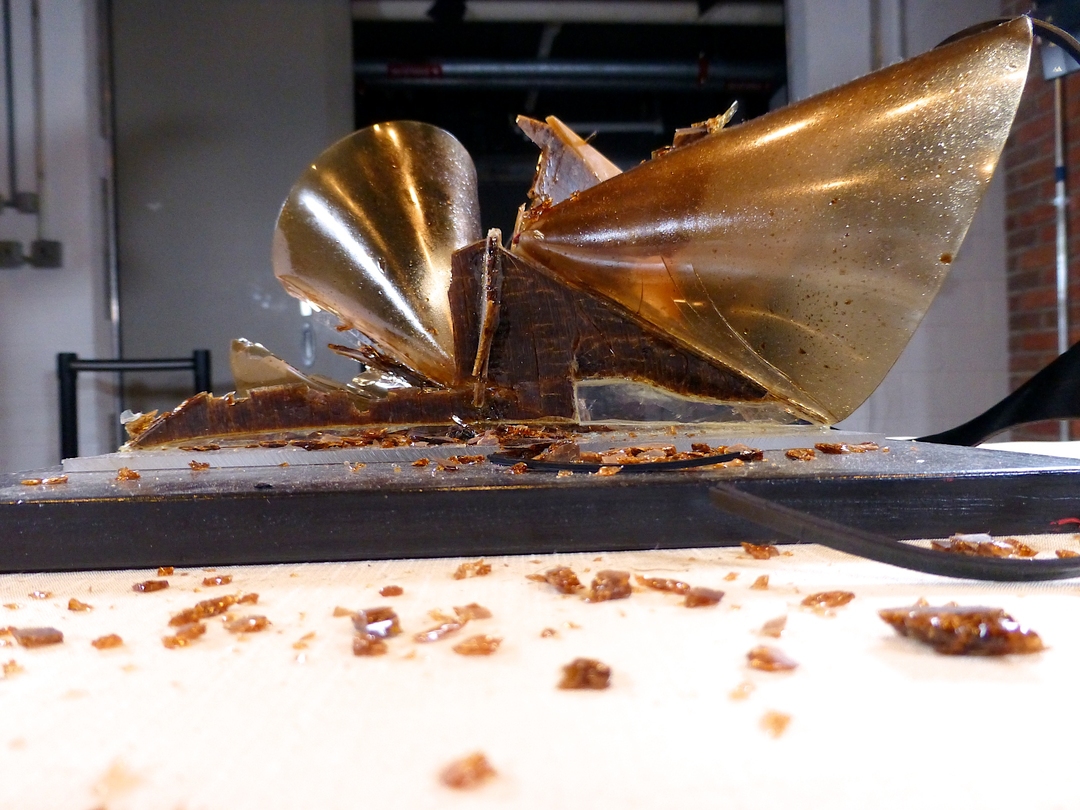
Brittle, brown, and crumbling, Naum Gabo’s sculpture “Construction: Two Cones in Space” is a harbinger of what is to come for artwork fabricated out of plastic. The sculpture, part of the collection of the Philadelphia Museum of Art, has so deteriorated that it is no longer feasible to display.

NaumGabo1

The state of the sculpture today, housed in the Philadelphia Museum of Art’s storage.

Gabo was a key member of the Russian Constructivists, an avant-garde group active in the beginning of the 20th century. The Constructivists had many radical ideas: the autonomy of material, imbuing everyday objects (such as chairs and utensils) with aesthetic concerns, and using contemporary materials and technology to wipe away the past. Gabo’s use of plastic was rooted in another of their beliefs: in using contemporary materials to create a new art.

Read the full article at Architizer here.

Skate This!

SkateThis1

Image via.

What makes a great “skate spot”? Smooth surfaces, sweet inclines, and such bonus features like ledges, steps, rails, and transitions help. Now, skateboarders, being a notoriously inventive and industrious bunch, could have fun in any parking lot with a curb. But built environments that push skateboarders to new feats of daring offer more options than just a flat surface to roll on.

SkateThis

Rest Stop by J. MAYER H.

Modernist architecture, for example, with its embrace of concrete, marble, and granite, has proved a great boon to the sport. Two of the most famous skate spots in history—the Embarcadero in San Francisco and Love Park in Philadelphia—were built as public plazas in the Modernist style. The Embarcadero’s Gonz Gap, created by a gigantic concrete wave, and Love Park’s low granite benches helped transform these spaces into, to paraphrase Le Corbusier, “machines” for skating.

See the full collection of architectural projects I curated for Architizer here.

kalisslidelovechrome

Image via.

Atlantic City’s Bad Gamble On Revel Casino

revel

Photo: K. Scott Kreider

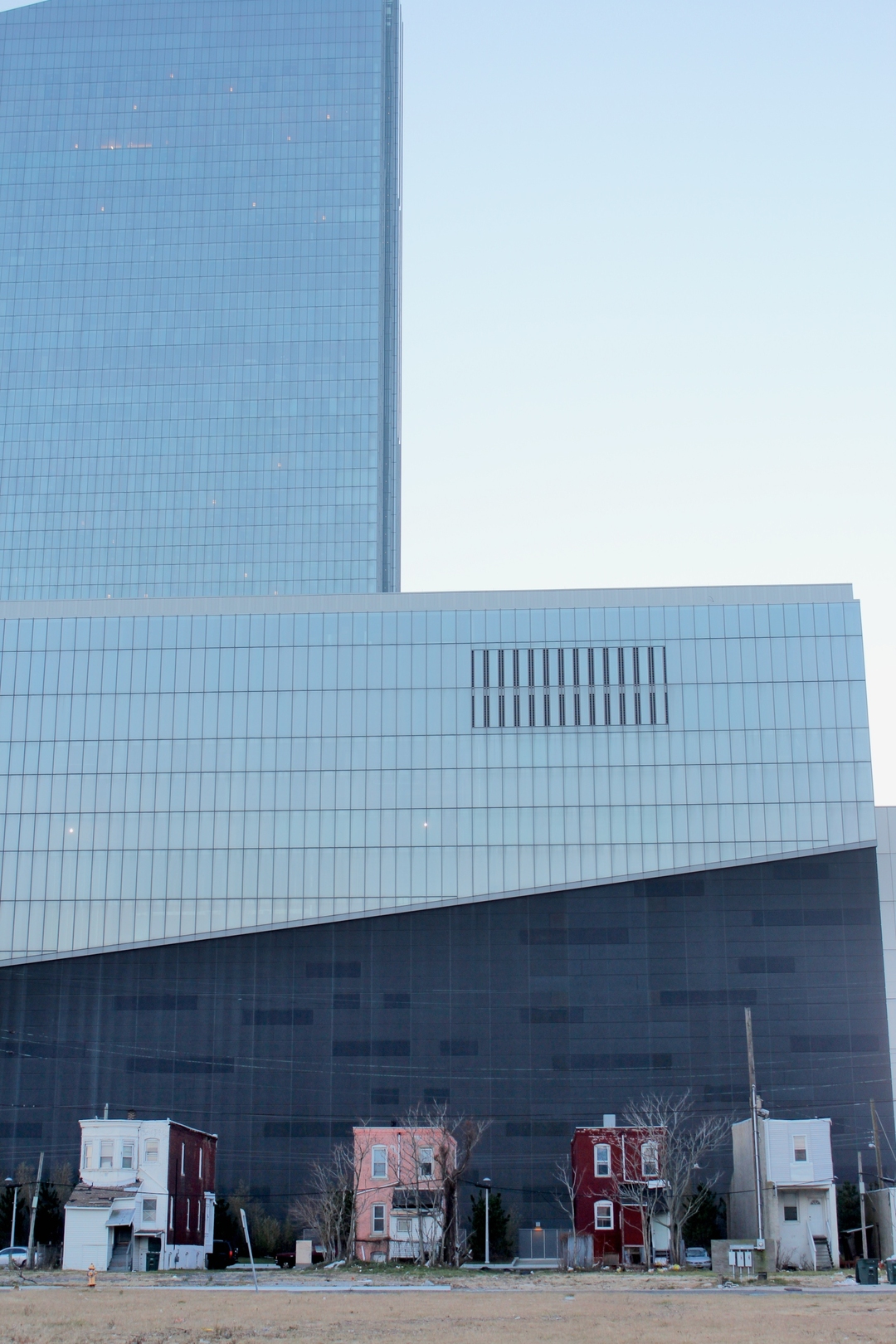
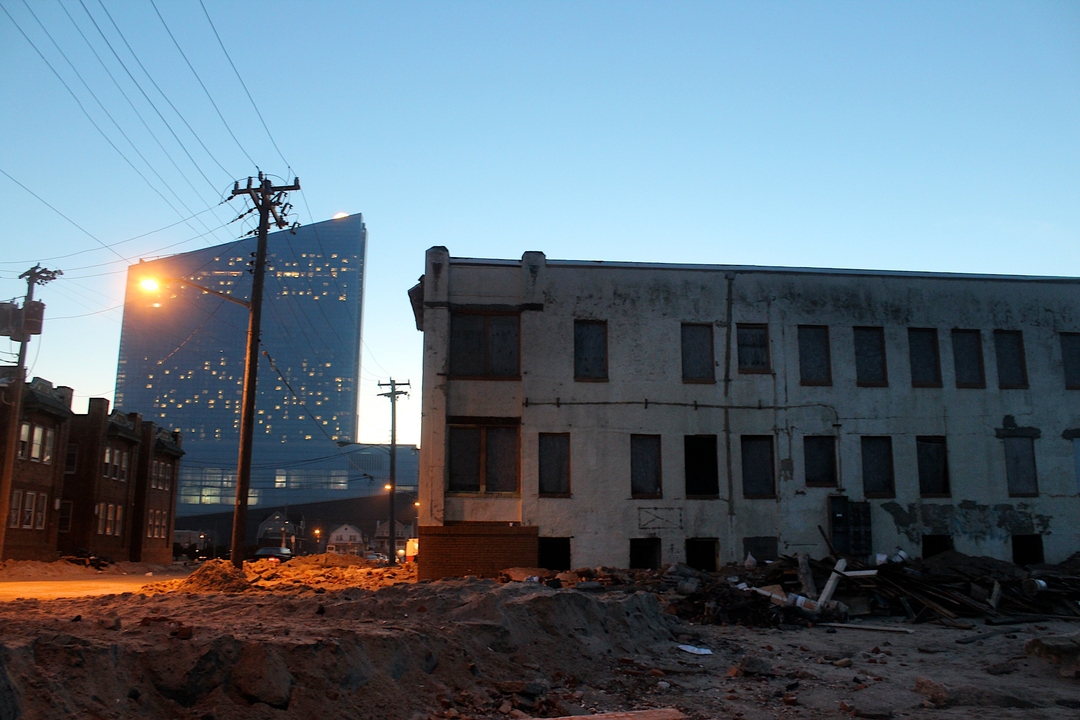
More than a year ago, Revel, the last casino to be built in Atlantic City in nine years, opened its doors to the public. At the time, Revel’s future seemed rosy: Its first weekend saw Beyonce’s triumphant return to the stage after giving birth to her daughter Blue Ivy, and revenue forecasts—albeit based on nothing but conjecture—were positive. Even Michelle Obama and her daughters showed up for the opening festivities. In fact, Revel’s appearance on the shore was said to sound the death knell for Atlantic City’s smaller casinos, which had been having problems generating revenue.

revel1

Photo: K. Scott Kreider

I was also invited to partake in a panel discussion on the role of casinos related to modern urban development by HuffPostLive.  We were interrupted by breaking news, but talked for around fifteen minutes.  You can watch the discussion here.

Read the full article at The Atlantic Cities here.

revel2

Photo: K. Scott Kreider.

Megawords At The Philadelphia Museum Of Art

megawords2

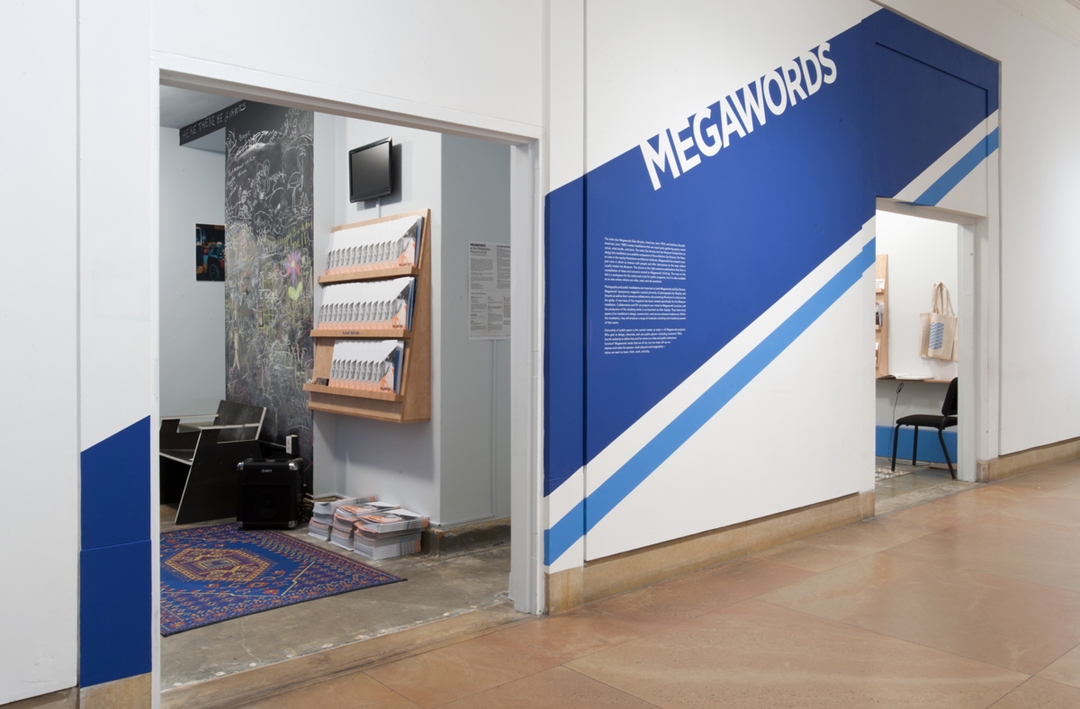
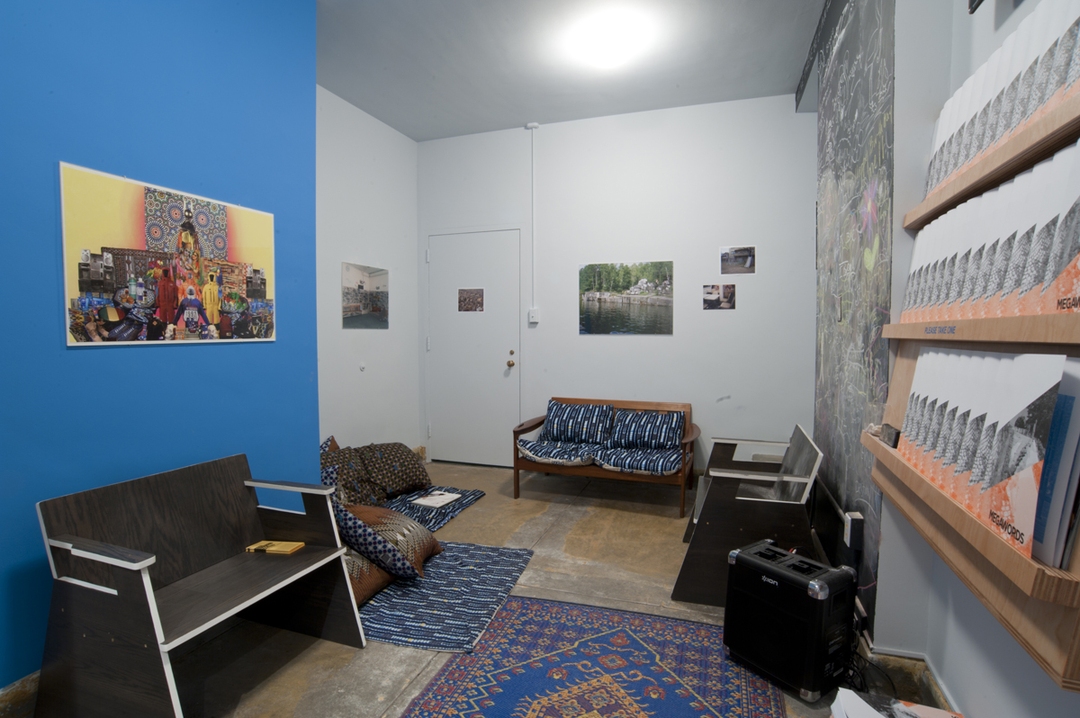
There are big questions surrounding the role of the art museum in the digital age. Maintaining relevance in today’s unending stream of information and entertainment is a challenge for cultural institutions whose programs operate on a larger scale. One strategy museums have found success with is the digitization of the museum-going experience itself: podcast tours and interactive websites globalize an otherwise local show. Another strategy is the construction of a new building or addition built by a big-name architect, attracting civic and international attention. Examples of this abound. The most striking is perhaps the MAXXI in Rome, designed by Zaha Hadid, which had its grand opening without a single piece of art on view.

Read the full article at Architizer here.

Megawords Megawords1

Photos: Constance Mensh.

The Hidden Houses Of The Philadelphia Navy Yard

NavyYard

Photo: K. Scott Kreider

During World War II, the waterfront zones of many American cities were mobilized by the American Naval Fleet for shipbuilding.  The demand was high, as were investments in the infrastructure needed to manufacture ships.  After World War II, demand dropped drastically as the Navy shrunk its fleet. These one-time centers of wartime industry floundered, unequipped to accommodate new ship building technologies. What little demand remained was for nuclear-powered vessels, which had to be built far from metropolitan areas due to the risk of accident. Consequently, many cities were left with vacant and unused commercial properties, typically located in otherwise dense urban fabrics.

NavyYard1

Photo: K. Scott Kreider

The prototypical waterfront redevelopment is Baltimore’s Inner Harbor, which experienced major infrastructural investment followed by a quick drop in demand and eventual abandonment. Baltimore’s story is notable, because the city was the very first to institute a waterfront redevelopment plan, starting in 1959. Fifty years later, the redevelopment of Baltimore’s waterfront is still the standard for successful revitalization of abandoned commercial water front areas. Throughout the United States and Europe, blighted post-industrial urban neighborhoods are being eyed with new interest by developers and politicians. A cornerstone of Mayor Mike Bloomberg’s mayorship, for example, was the institution of Vision 2020, a plan to revitalize 500 miles of New York City waterfront. Yet urban redevelopment is a complicated business, and behind each politician’s “vision plan,” there’s a more complicated narrative about the socio-economic development of a city.

Read the full article at Architizer here.

navyyard2

Photo: K. Scott Kreider.