Naum Gabo’s Material Gamble

NaumGabo


What the statue is supposed to look like. Model for “Construction in Space: Two Cones,” 1927. Photo © Nina & Graham Williams/Tate, London 2011 via the Tate Museum.

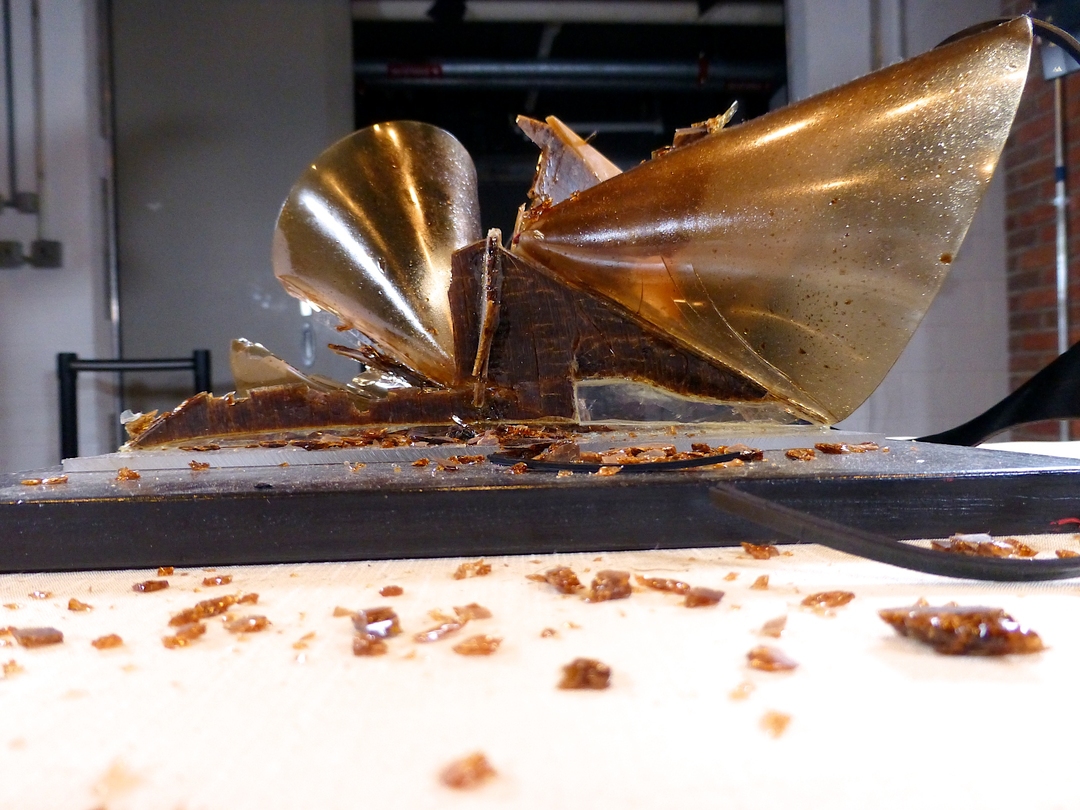
Brittle, brown, and crumbling, Naum Gabo’s sculpture “Construction: Two Cones in Space” is a harbinger of what is to come for artwork fabricated out of plastic. The sculpture, part of the collection of the Philadelphia Museum of Art, has so deteriorated that it is no longer feasible to display.
NaumGabo1

The state of the sculpture today, housed in the Philadelphia Museum of Art’s storage.

Gabo was a key member of the Russian Constructivists, an avant-garde group active in the beginning of the 20th century. The Constructivists had many radical ideas: the autonomy of material, imbuing everyday objects (such as chairs and utensils) with aesthetic concerns, and using contemporary materials and technology to wipe away the past. Gabo’s use of plastic was rooted in another of their beliefs: in using contemporary materials to create a new art.

Read the full article at Architizer here.

Skate This!

SkateThis1

Image via.

What makes a great “skate spot”? Smooth surfaces, sweet inclines, and such bonus features like ledges, steps, rails, and transitions help. Now, skateboarders, being a notoriously inventive and industrious bunch, could have fun in any parking lot with a curb. But built environments that push skateboarders to new feats of daring offer more options than just a flat surface to roll on.

SkateThis

Rest Stop by J. MAYER H.

Modernist architecture, for example, with its embrace of concrete, marble, and granite, has proved a great boon to the sport. Two of the most famous skate spots in history—the Embarcadero in San Francisco and Love Park in Philadelphia—were built as public plazas in the Modernist style. The Embarcadero’s Gonz Gap, created by a gigantic concrete wave, and Love Park’s low granite benches helped transform these spaces into, to paraphrase Le Corbusier, “machines” for skating.

See the full collection of architectural projects I curated for Architizer here.

kalisslidelovechrome

Image via.

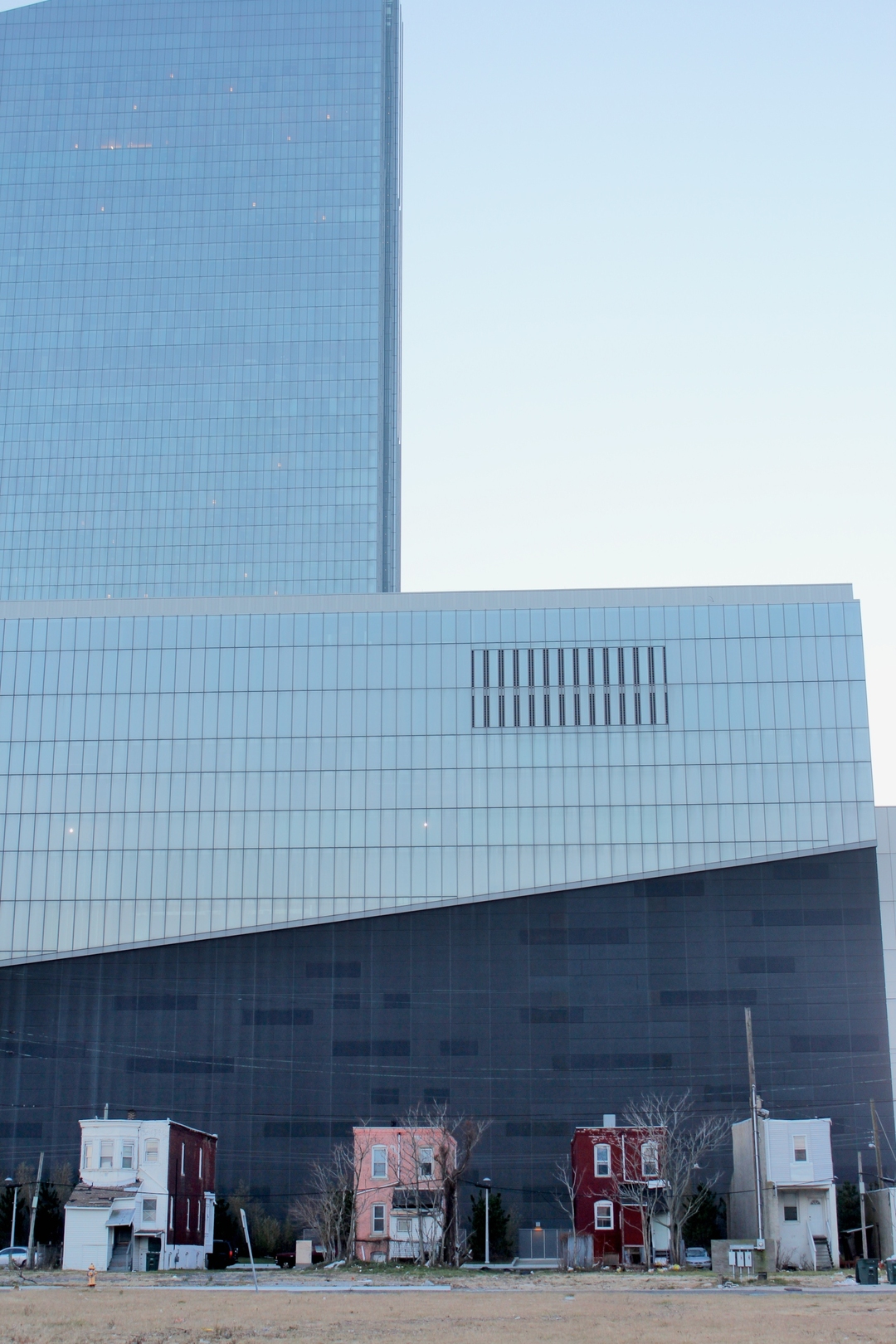
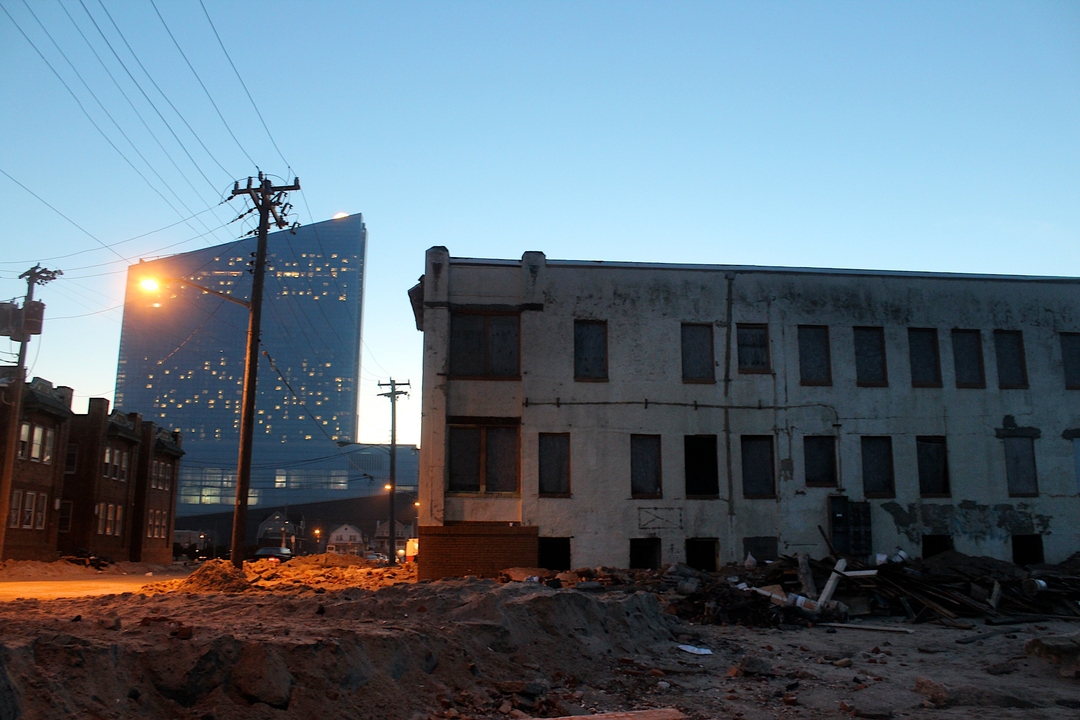
Atlantic City’s Bad Gamble On Revel Casino

revel

Photo: K. Scott Kreider

More than a year ago, Revel, the last casino to be built in Atlantic City in nine years, opened its doors to the public. At the time, Revel’s future seemed rosy: Its first weekend saw Beyonce’s triumphant return to the stage after giving birth to her daughter Blue Ivy, and revenue forecasts—albeit based on nothing but conjecture—were positive. Even Michelle Obama and her daughters showed up for the opening festivities. In fact, Revel’s appearance on the shore was said to sound the death knell for Atlantic City’s smaller casinos, which had been having problems generating revenue.

revel1

Photo: K. Scott Kreider

I was also invited to partake in a panel discussion on the role of casinos related to modern urban development by HuffPostLive.  We were interrupted by breaking news, but talked for around fifteen minutes.  You can watch the discussion here.

Read the full article at The Atlantic Cities here.

revel2

Photo: K. Scott Kreider.

Megawords At The Philadelphia Museum Of Art

megawords2

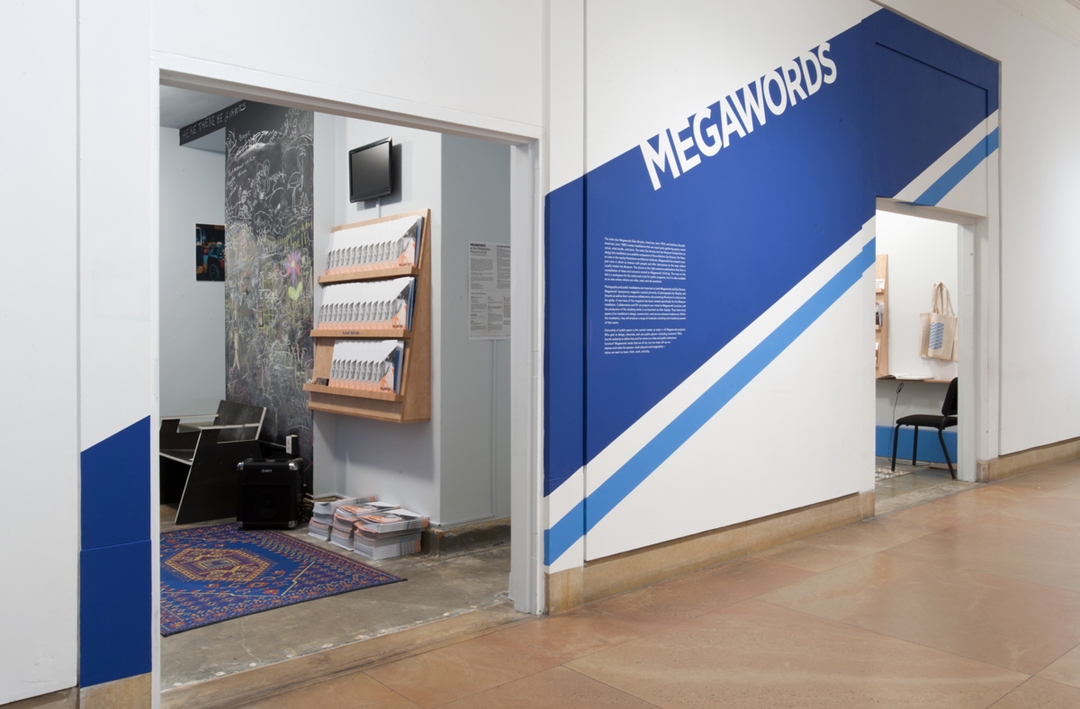
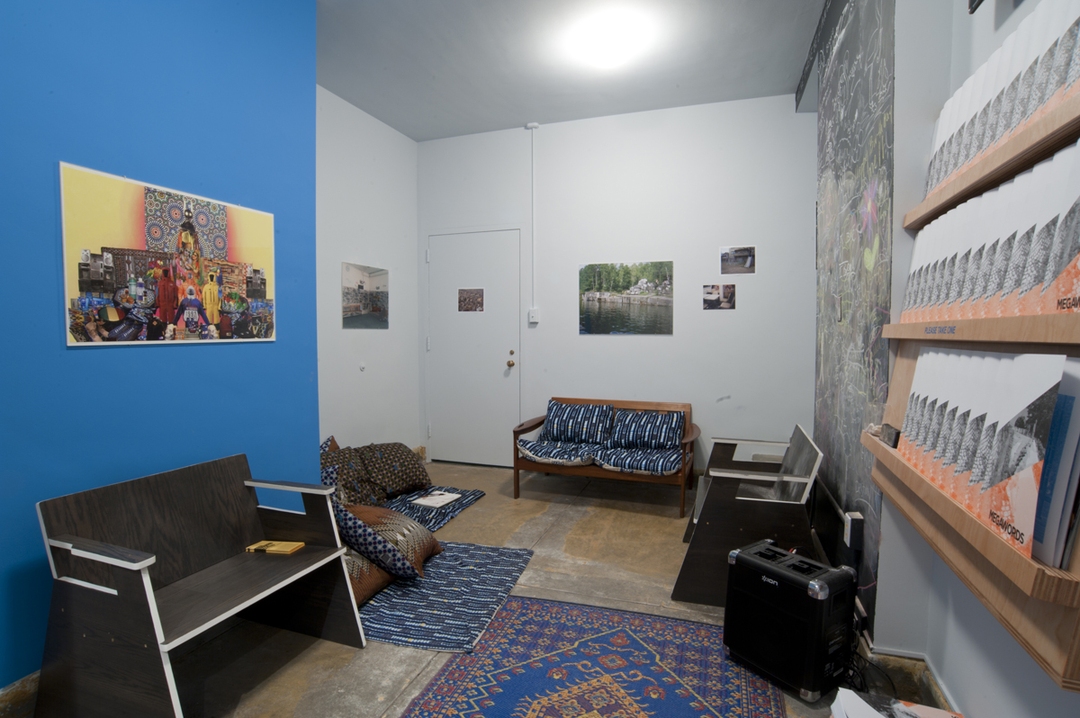
There are big questions surrounding the role of the art museum in the digital age. Maintaining relevance in today’s unending stream of information and entertainment is a challenge for cultural institutions whose programs operate on a larger scale. One strategy museums have found success with is the digitization of the museum-going experience itself: podcast tours and interactive websites globalize an otherwise local show. Another strategy is the construction of a new building or addition built by a big-name architect, attracting civic and international attention. Examples of this abound. The most striking is perhaps the MAXXI in Rome, designed by Zaha Hadid, which had its grand opening without a single piece of art on view.

Read the full article at Architizer here.

Megawords Megawords1

Photos: Constance Mensh.

The Hidden Houses Of The Philadelphia Navy Yard

NavyYard

Photo: K. Scott Kreider

During World War II, the waterfront zones of many American cities were mobilized by the American Naval Fleet for shipbuilding.  The demand was high, as were investments in the infrastructure needed to manufacture ships.  After World War II, demand dropped drastically as the Navy shrunk its fleet. These one-time centers of wartime industry floundered, unequipped to accommodate new ship building technologies. What little demand remained was for nuclear-powered vessels, which had to be built far from metropolitan areas due to the risk of accident. Consequently, many cities were left with vacant and unused commercial properties, typically located in otherwise dense urban fabrics.

NavyYard1

Photo: K. Scott Kreider

The prototypical waterfront redevelopment is Baltimore’s Inner Harbor, which experienced major infrastructural investment followed by a quick drop in demand and eventual abandonment. Baltimore’s story is notable, because the city was the very first to institute a waterfront redevelopment plan, starting in 1959. Fifty years later, the redevelopment of Baltimore’s waterfront is still the standard for successful revitalization of abandoned commercial water front areas. Throughout the United States and Europe, blighted post-industrial urban neighborhoods are being eyed with new interest by developers and politicians. A cornerstone of Mayor Mike Bloomberg’s mayorship, for example, was the institution of Vision 2020, a plan to revitalize 500 miles of New York City waterfront. Yet urban redevelopment is a complicated business, and behind each politician’s “vision plan,” there’s a more complicated narrative about the socio-economic development of a city.

Read the full article at Architizer here.

navyyard2

Photo: K. Scott Kreider.

Santa’s Workshop And The Contemporary Workspace

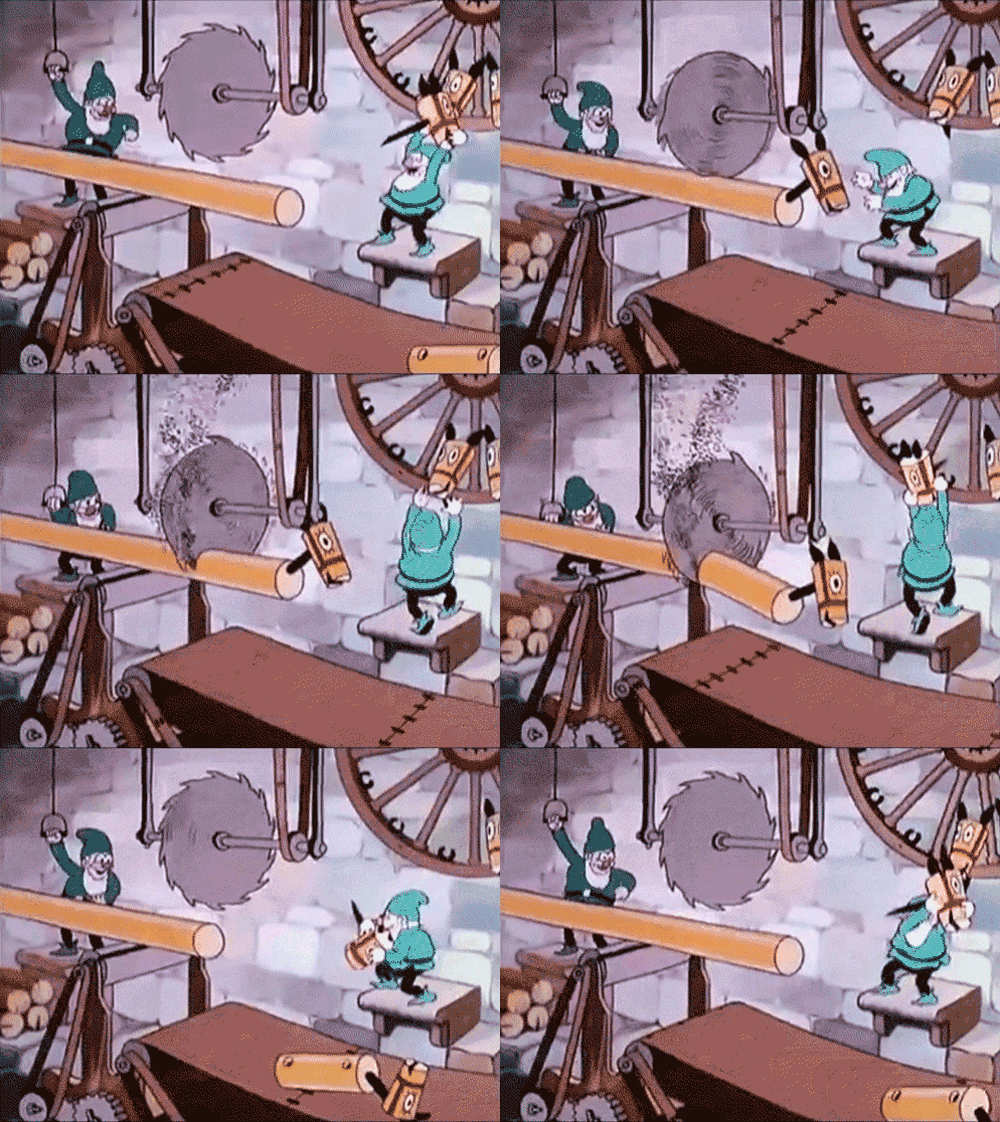
Silly-Symphony---Santa's-Workshop3

“Santa’s Workshop,” by Wilfred Jackson, 1932.

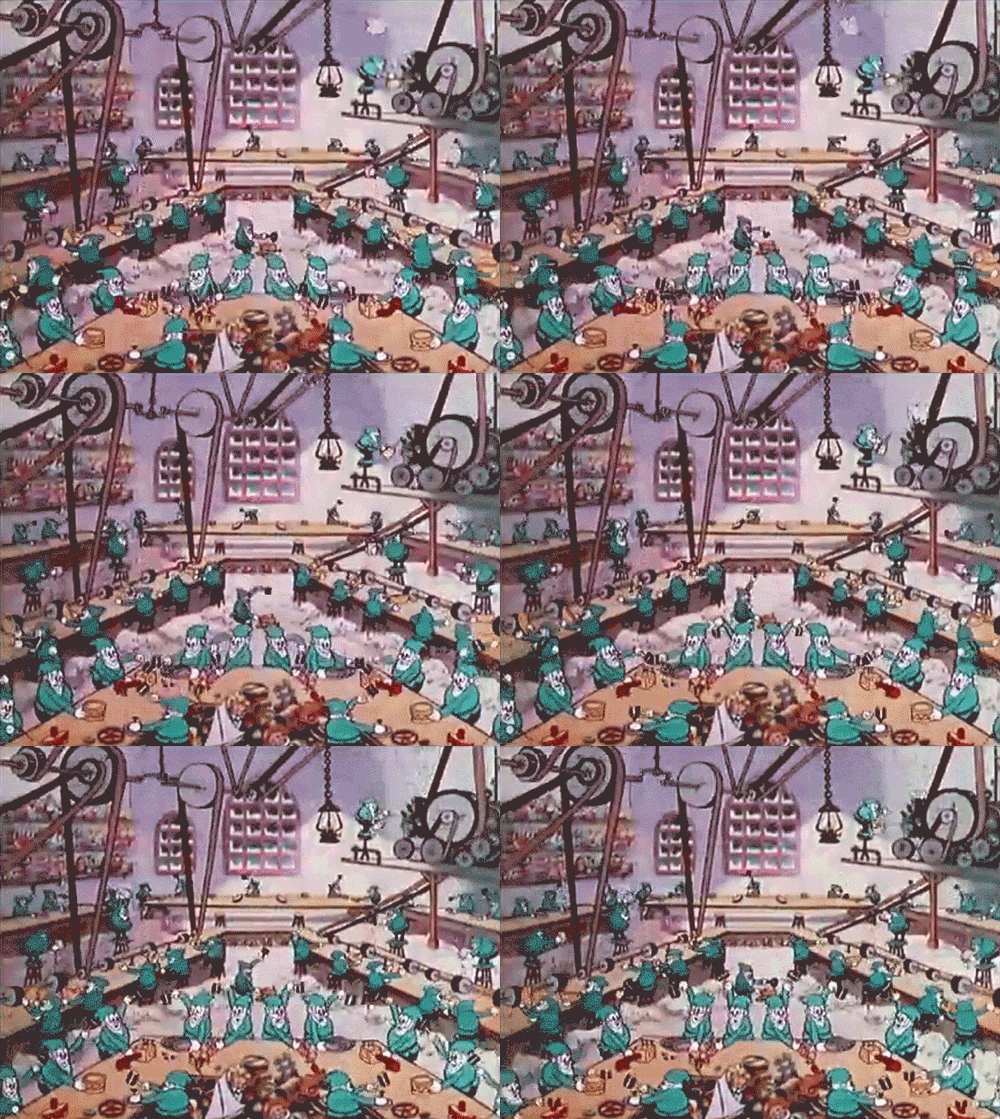
Is anyone more productive than Santa Claus and his elves? Mythically located at the North Pole, surrounded by fields of ice, the team magically fills handwritten orders, always hitting their deadline of Christmas Day. No one has actually seen inside this mysterious, miraculously industrious factory, but through secondhand accounts it is possible to piece together an idea of the ethos driving this workspace. Remarkably, Santa’s workshop reflects the concerns of contemporary industry: creating fun, open work environments that foster employee satisfaction and productivity all through collaboration.

Silly-Symphony---Santa's-Workshop4

“Santa’s Workshop,” by Wilfred Jackson, 1932.

Christmas is a time for fun and conversation. Bringing off a successful celebration takes collaboration. The same can be said about the best contemporary work environments and Santa’s Workshop. When you’re opening up the presents around the tree, remember it takes a large team of happy helpers in an open plan work environment to make that moment happen.

Read the complete article at Architizer here.

Silly-Symphony---Santa's-Workshop1

“Santa’s Workshop,” by Wilfred Jackson, 1932.

The Radical Humanity Of Zoe Strauss

strauss8

strauss5

Photos: K. Scott Kreider

America is struggling through the second worst recession in its history. The first — the Great Depression — brought with it now-iconic images of breadlines, the dustbowl, the Hoover Dam, and the working poor of America. Integral to the visual history of the Great Depression are the photographs of Walker Evans, who documented the rural poor for the Farm Security Administration. Evans’ photographs, published in “Let Us Now Praise Famous Men,” have become iconic images relating to the first Great Depression.

strauss3

strauss7 strauss2

Photos: K. Scott Kreider

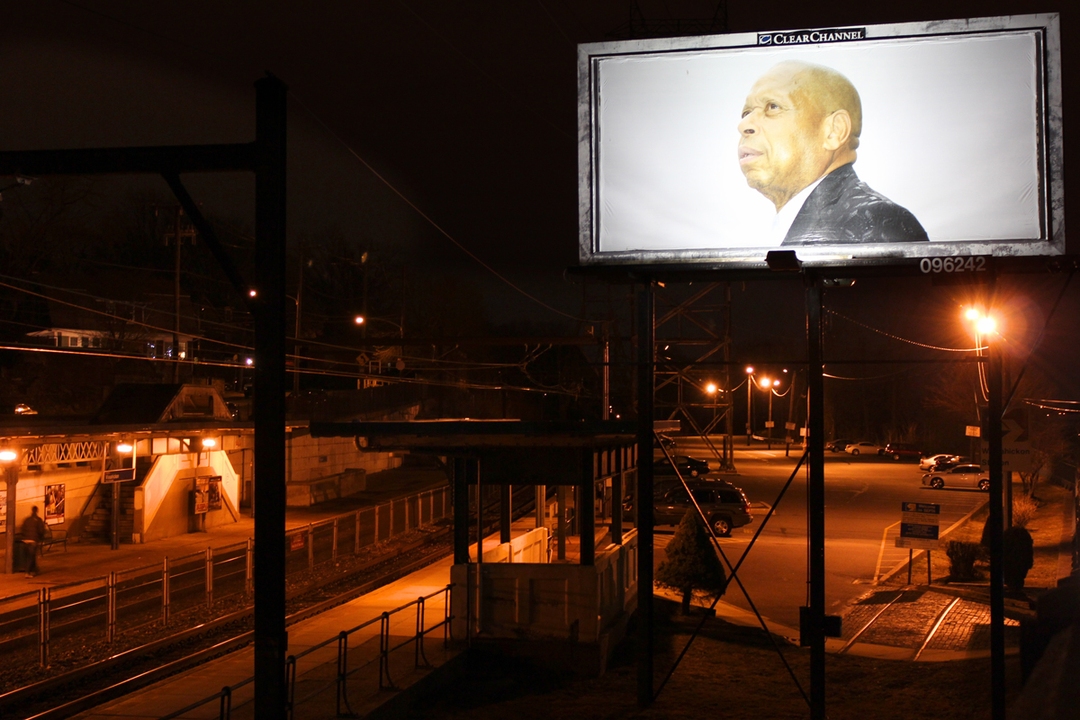
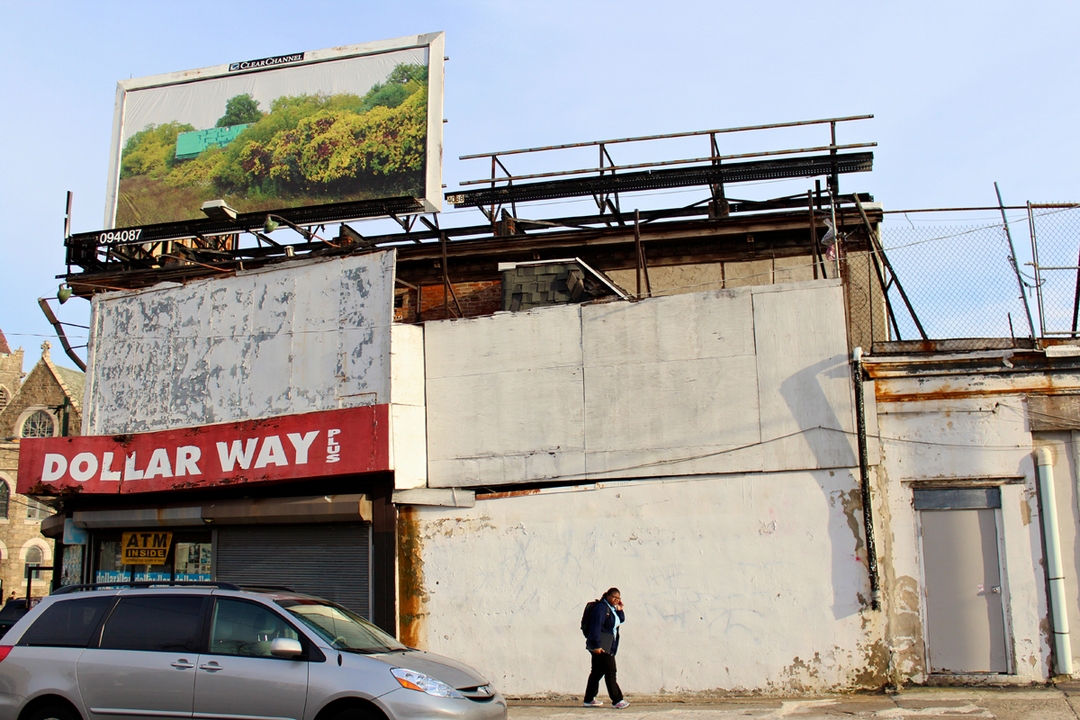
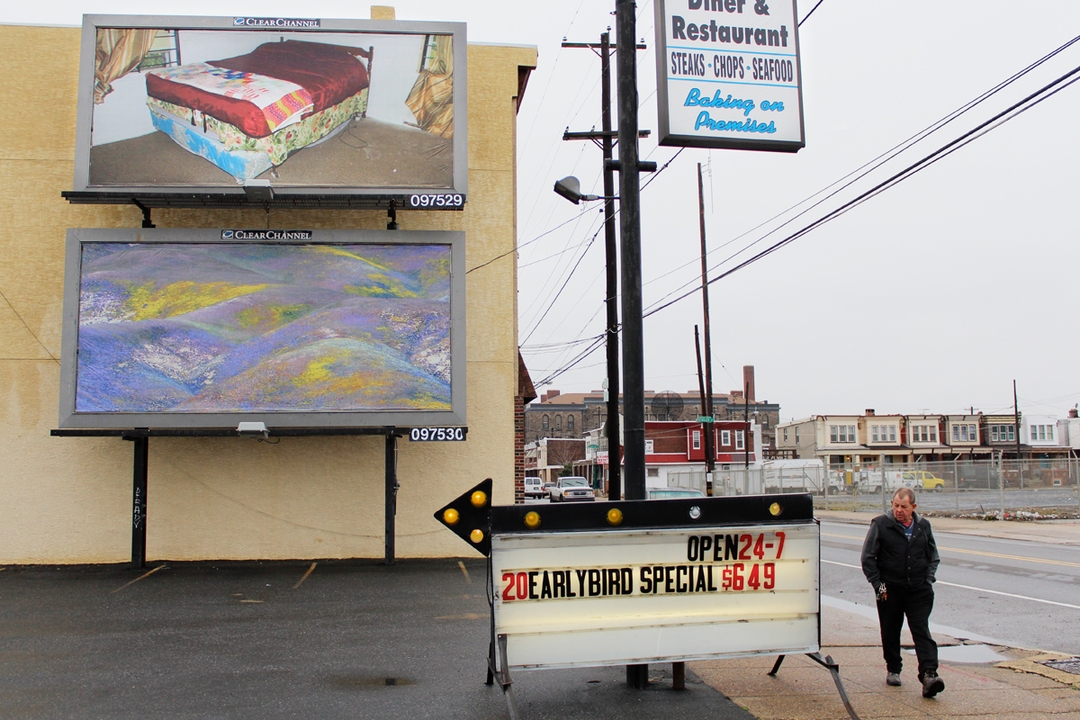
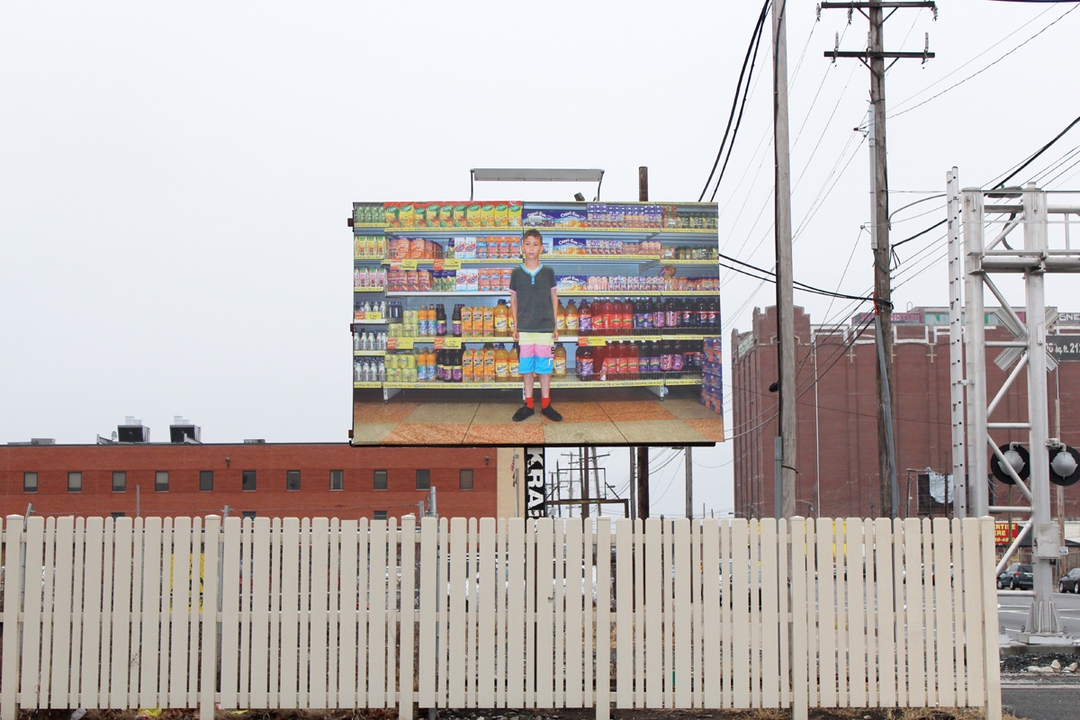
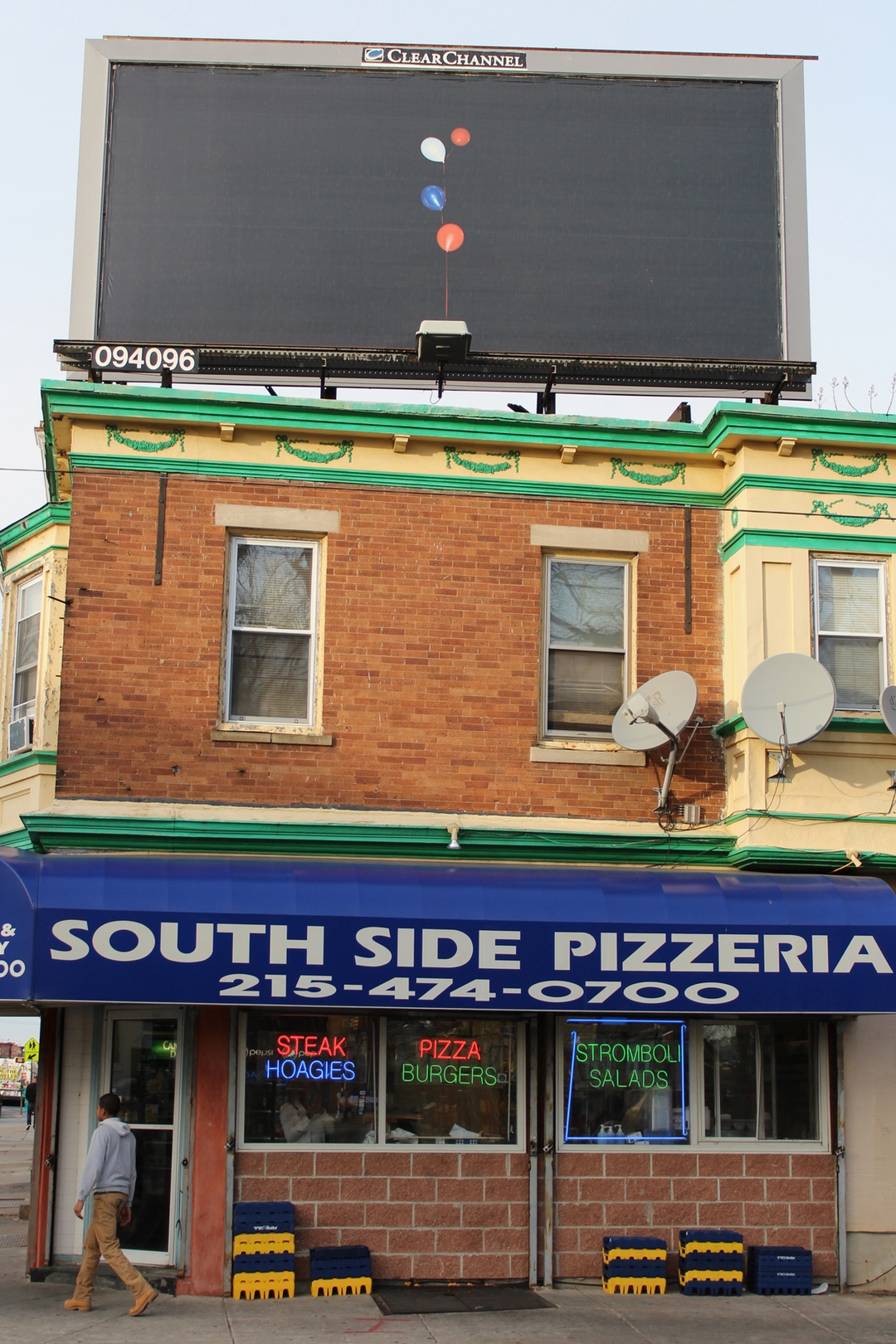
Philadelphia photographer Zoe Strauss cites Evans as one of her heroes and inspirations. Strauss’ mid-career retrospective is ongoing now at the Philadelphia Museum of Art, and provides a look at her ten-year photograph project, entitled “95.” Though “95” is expansive, Strauss’ primary subject matter is the working class, focusing on populations that are either forgotten by the general public, or offered meaningless platitudes by politicians. As part of the retrospective, the Museum has partnered with Clear Channel to place more than fifty billboards of Strauss’ photographs throughout Philadelphia.

Read the entire article at The Atlantic Cities here.

strauss4 struass9 strauss6

Photos: K. Scott Kreider