Tea House Project In Silicon Valley

thouse

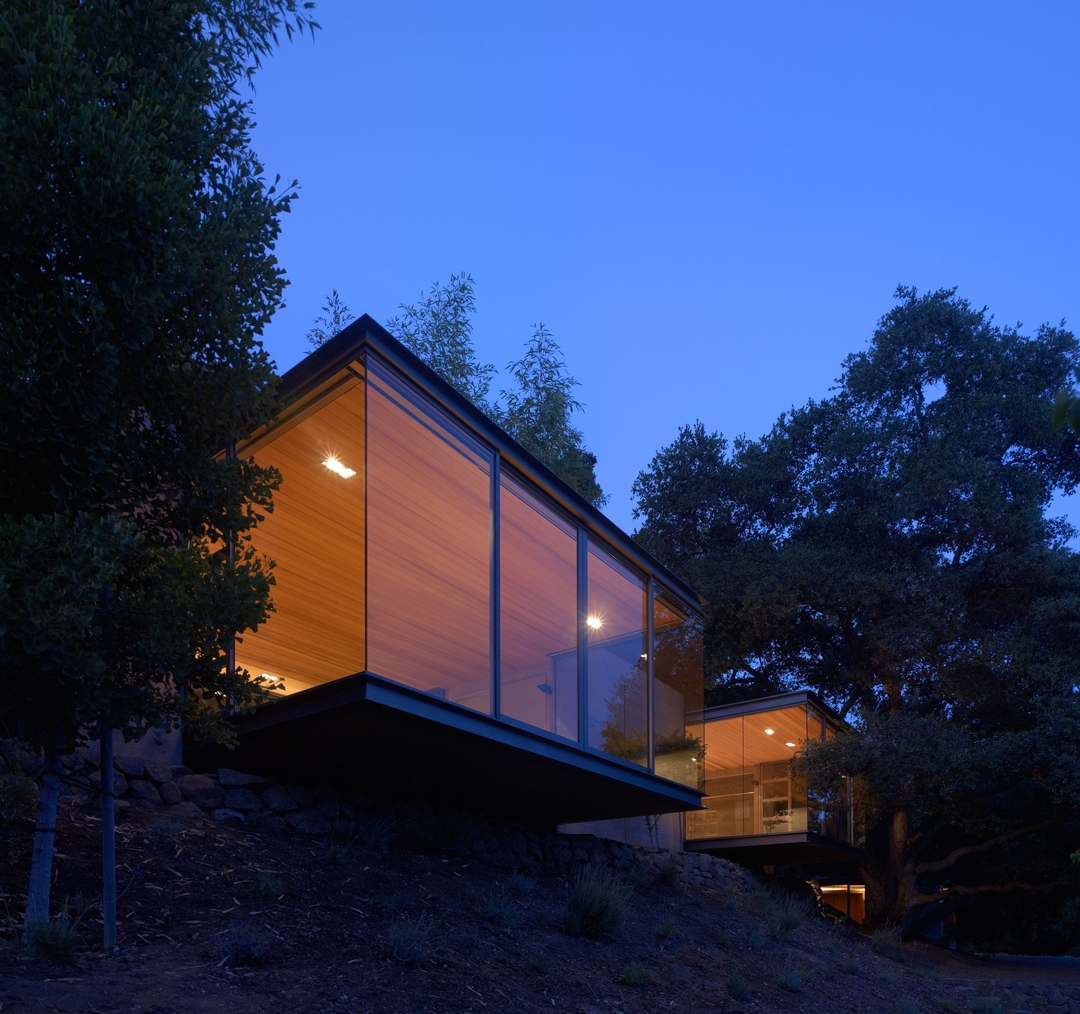
Tea Houses by Swatt Miers Architects

Contemplation of nature is not the first thing that springs to mind at the words “Silicon Valley.” However, beyond the cubicles and technology is an area ripe with natural beauty, and the Tea Houses, three buildings designed by Swatt Miers Architects, were designed to celebrate this environment.

thouse2 thouse1

Tea Houses by Swatt Miers Architects

The homeowner discovered the building site on an exploratory walk; the beautiful location was just below a ridge on the side of a mountain, studded with California oaks. The owner originally planned to build a tree house, but decided the space would be better used for the three Tea Houses.

Read the complete article on Architizer here.

thouse3

Tea Houses by Swatt Miers Architects

Pushing Boundaries Transgressing Borders

Wermke

Die Neonorangene Kuh,” Matthias Wermke and Mischa Leinkauf, 2005.

The contemporary urban environment can feel oppressive and majestic, buildings towering high above the toiling masses below.  Who is controlling our spaces and to what purpose?  Slipping in between these questions of ownership and use are Berlin based artists Matthias Wermke and Mischa  Leinkauf, who explore their surrounding environment making short videos and taking photographs documenting their interventions.

wermke.derstandard.at1

“Decisions,” Mishca Leinkauf and Matthias Wermke.

Playful and energetic the pieces show the possibilities of surrounding edifices, and constructions.  A tunnel for a train can easily be turned into playground, a bridge an ideal hanging anchor for a swing.  Changing perceptions of the architecture alters the accepted uses.

Physical danger is an implicit part of this situation. Transgressing against everyday limitations and pushing through the constraints of society requires bravery in their conceptions and physical performance. Vulnerability shows explicitly how serious these actions are.

wermke.derstandard.at

“Decisions,”  Mishca Leinkauf and Matthias Wermke.

For those in the Philadelphia Metro area, the artists will be presenting two free screenings of their films for public viewing.  The first is regrettably already passed.  However the second will be at the Pennsylvania Academy of Fine Arts, Sunday, March 2nd at 12PM.  Also available for purchase at the screenings will be copies of a new catalogue, Grenzgänger, published by Snoeck Verlagsgesellschaft.

Design For Health

Design4Health

Cortex by Jack Evill

Good healthcare requires a thoughtful combination of the many disparate disciplines involved; designers, architects, scientists and doctors, all have the same goal of finding and implementing solutions for better health of patients.

design4health3

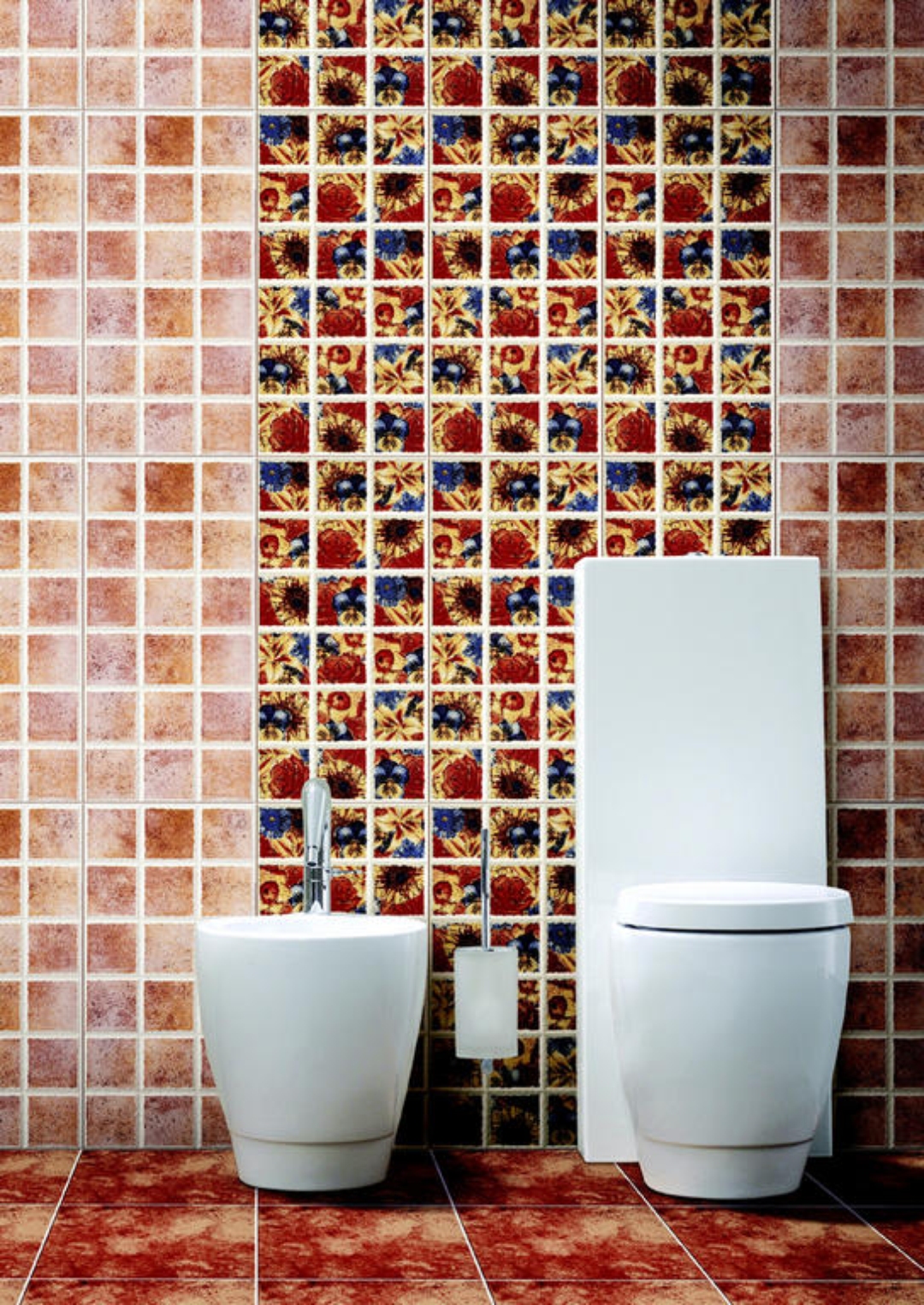
Germ-Free Tiles by H&R Johnson

Often the blockbuster breakthroughs of science and medicine get the headlines. But just as important—and lost in the news—are the small design details that enhance patient care. Simply replacing a metal door catch with one made of nylon, for example, can reduce acoustic disturbance during the night, allowing for better sleep and thus increasing the chance of a positive patient outcome.

Read the full article on Architizer here.

Design4health2

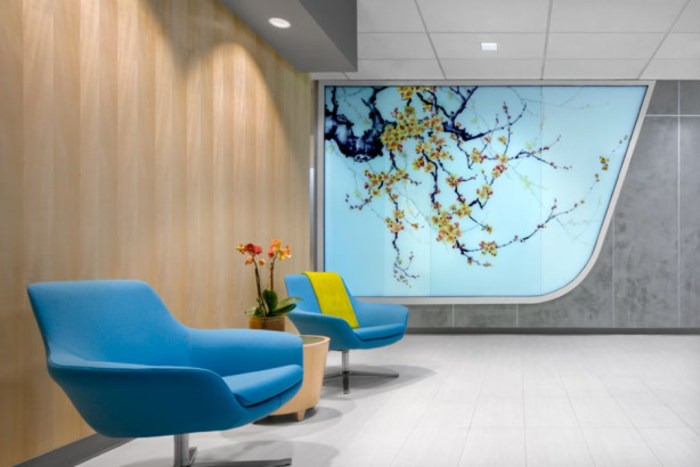
Maharam Digital Projects by Maharam

The Groovy Interior Of Mocha-Mojo

mochamojo

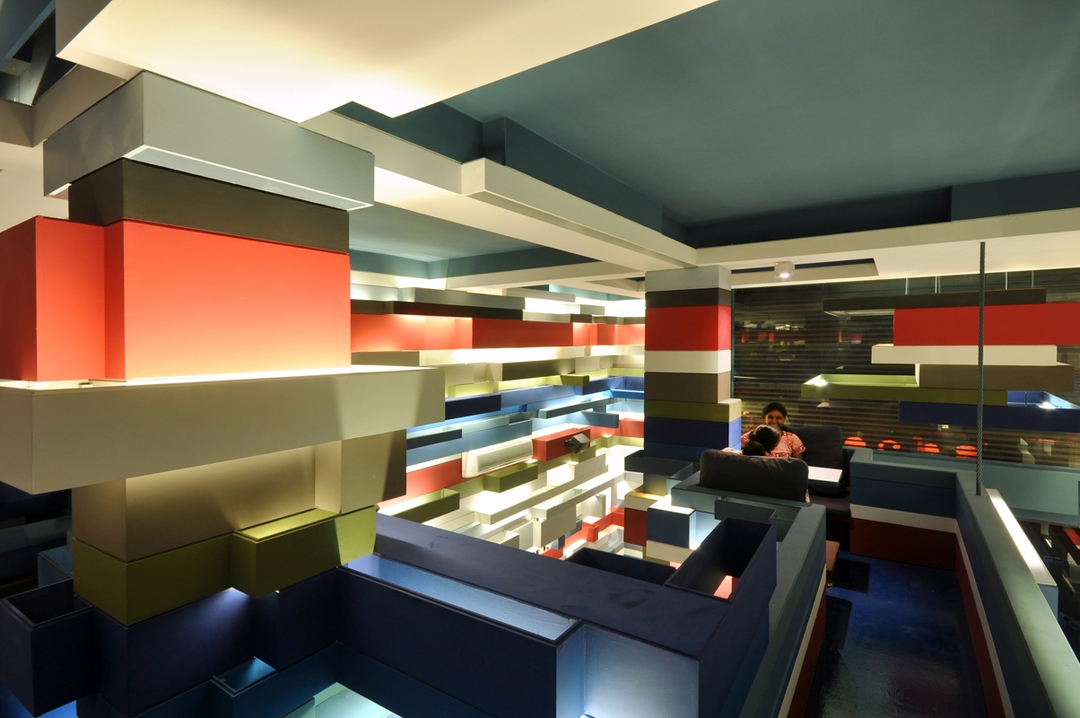
Mocha – Mojo by Mancini Design

Distinctive architecture and design is a necessity for bars, restaurants, and cafes. Customers visit establishments not only to satisfy their appetites, but also to socialize in unique environments. The interior spaces need to capture the imagination of patrons, creating a one-of-a-kind experience that inspires return visits.

mochamojo2

Mocha – Mojo by Mancini Design

Mocha-Mojo, located in Chennai, India, embodies that necessary balance between the funky and the functional needed to turn a café into a design destination.

Read the full article on Architizer here.

mochamojo1

Mocha – Mojo by Mancini Design

Robert Moses And The Dirty Fight For Jones Beach

Jones

Breaking free from summer heat in New York City is a main concern of its inhabitants. Many New Yorkers know that Jones Beach is one option, but what they may not know is that the story of its creation by Robert Moses is filled with grandiose, unfeasible ideas seen to fruition through deceit and bullying.

Jones1

Photo courtesy of MTA Bridges and Tunnels Special Archives.

Throughout his career, Moses started projects with false budgets and spent money how he saw fit. He often ran out of cash, but was always able to obtain more funding by appealing to politicians’ desire to avoid accusations of public money wasted on an incomplete project. Jones Beach was one of the first projects wherein he employed this tactic, which he called “driving the stake.”

Jones2

August 6, 1934 shot of Commissioner Robert Moses and officials at Jones Beach, Long Island. Credit: Alajos L Schusler, New York City Parks Photo Archive, neg. 36501-1.

His control over the development of New York City is part of the allure Robert Moses holds for historians, writers and filmmakers. The subject of Jones Beach’s history, along with that of Coney Island, is part of a new exhibition at the Long Island Museum of Art, History, and Carriages. Additionally, Moses is the latest subject to fall under the eye of provocative director Oliver Stone, who is working on a biopic for HBO.

Read the full article on Architizer here.

Jones3

To Everything Turn, Turn

Haus

Haus am Weinberg by UNStudio

In many projects, the incorporation of the natural world into an architect’s design is obvious. Other times, though, the inspiration is not so readily apparent. Take the Haus am Weinberg, for example. This contemporary residence does not blend into its rustic vineyard environment rising out of the hillside. Upon closer inspection, however, it becomes clear that the architects reflected the terraced slope of the surrounding topography in the very structure of the home, a design they call “the twist.”

Haus1

Haus am Weinberg by UNStudio

The twist begins at the central axis, from which the interior spaces radiate,stacking upon each other at rotated angles as the building rises like a spiral staircase. The result is that the top floor is cantilevered over the bottom floor, creating a sculptural profile that echoes the slant of the hillside.

Read the complete article on Architizer here.

Haus2

Haus am Weinberg by UNStudio

Architectural Solutions For The Hearing Impaired

deafspace1


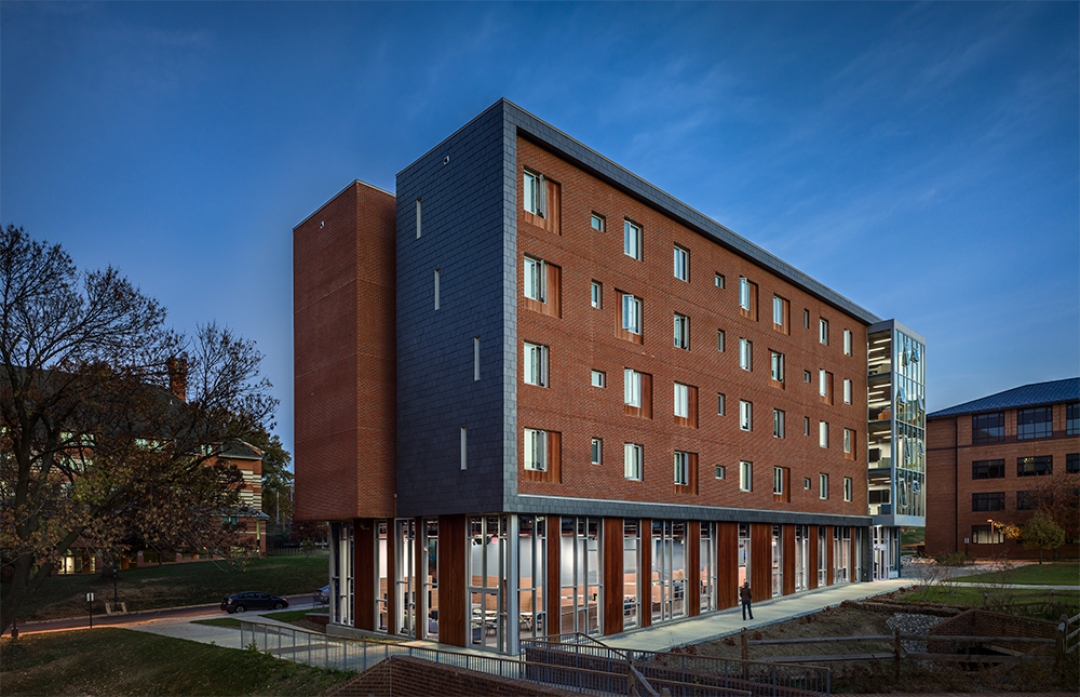
Living and Learning Residence Hall 6 by LTL Architects

For those of us with all five senses intact, navigating through daily life can be difficult enough. Who hasn’t unexpectedly trip on a sidewalk crack or missed a step and fallen? Now imagine if you couldn’t see or hear.

deafspace


Living and Learning Residence Hall 6 by LTL Architects

Gallaudet, the only liberal arts university for the deaf and hearing impaired, is seeking to change the way the architecture of its campus relates to its students. Future building plans will attempt to create a benevolent built environment that uses design principles to improve the quality of life of its students.

Read the full article on Architizer here.

deafspace2


Living and Learning Residence Hall 6 by LTL Architects

The Japanese Art Of Shou Sugi Ban

shousugiban shousugiban1 shousugiban3

Images via

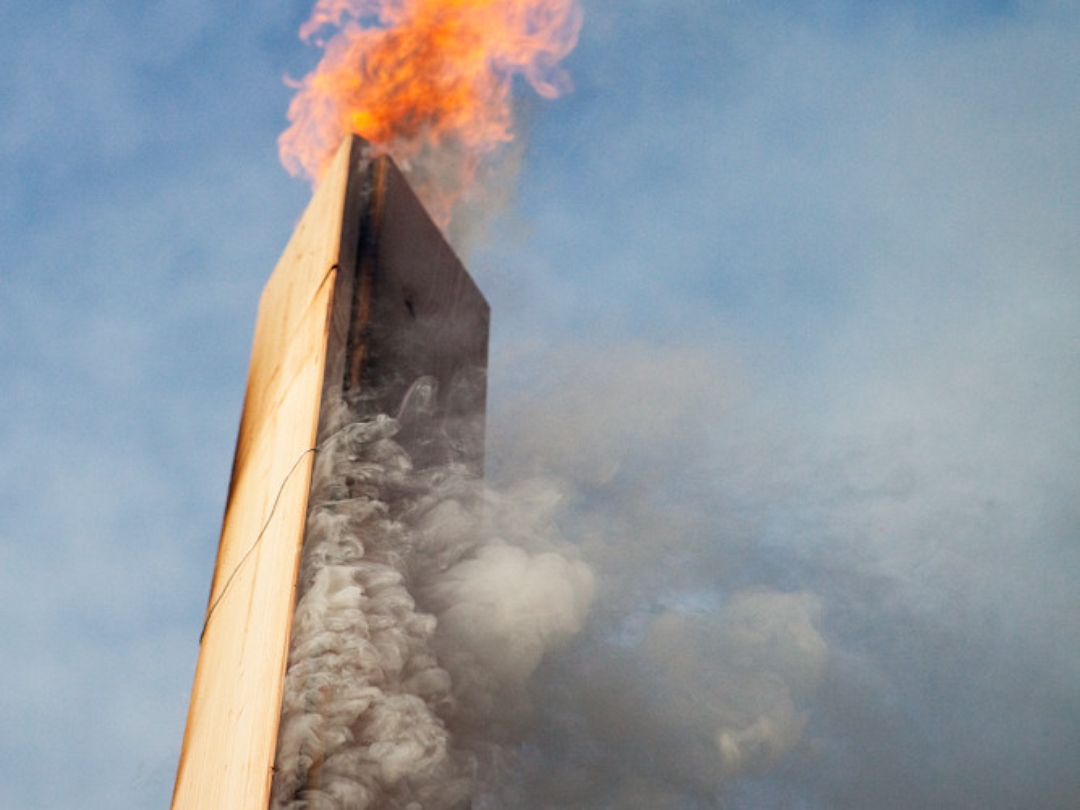
Using fire as a tool for construction seems counterintuitive. But burning lumber being used in a project (just a little bit) can boost the end result structurally, as well as aesthetically

The process is fairly simple. Burn the planks on both sides to the desired amount of char. The carbon exterior will release the moisture inside the board as gas and steam. (Think of it as turning the wood’s surface into a chemical compound similar to the pure carbon a diamond.) After cooling the boards, brush and wash them to your aesthetic liking—the amount of char cleaned off changes the look of the wood. Finally, you can seal the board with a natural oil of your choice, or leave it unvarnished.

shousugiban4

Shou Sugi Ban by BYTR Architecten

This method of burning the surface of wood building materials began in Japan during the 1700s. Since Japanese builders traditionally used cedar, as well as cypress, the process is called shou sugi ban, or “burnt cedar.” In more recent years, Japanese have opted for plastic and other materials for their buildings, causing the shou sugi ban to wane.

Read the complete article on Architizer here.
shousugiban5

Sands Point Renovation by CDR Studio Architects, PC

Cats Rule Architecture

Cats

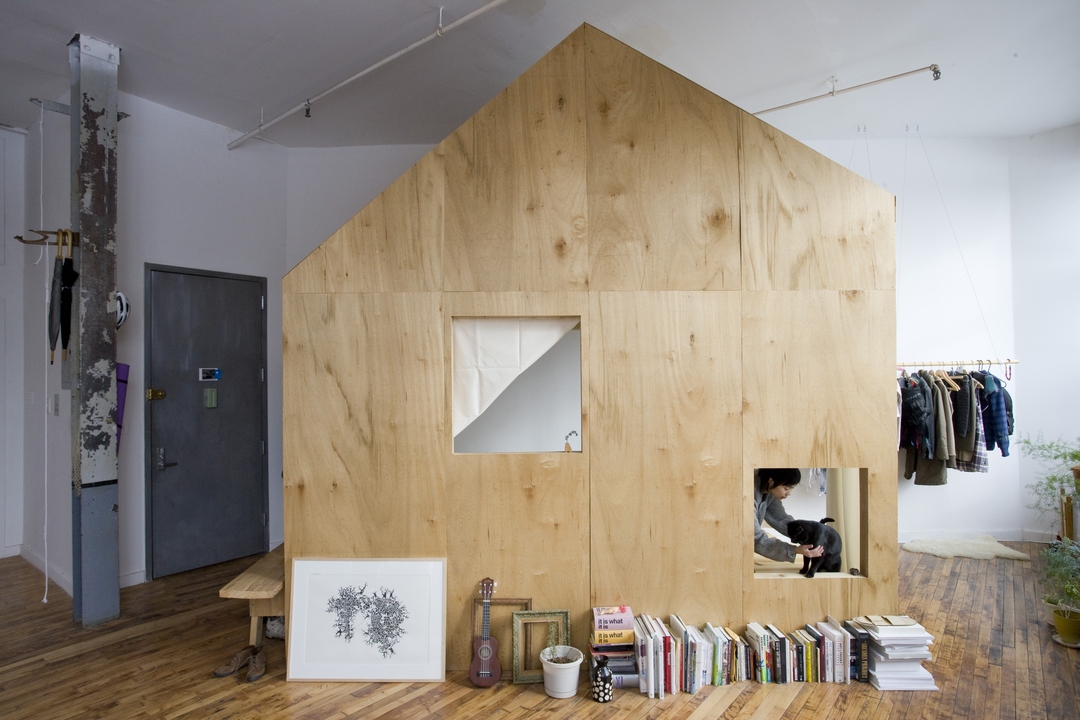
A Cabin in a Loft by Terri Chiao

It’s true: cats really do rule everything around us, or at least they act like they do. While some pet lovers may argue that the unquestioning affection of dogs is preferable, cat lovers know that the attention of felines is reserved for those of us with discerning taste… in architecture and companionship.

Cats3 Cats4

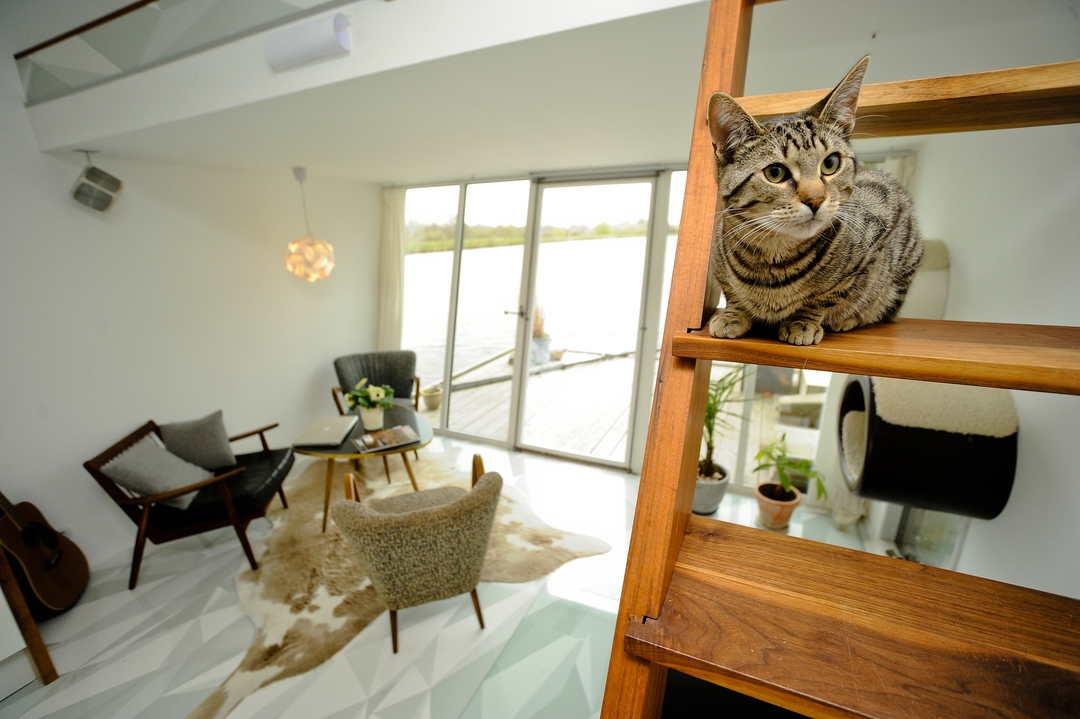
Hausboot Silverbeaver by Confused-Direction Design

Cats typically hate water, so a houseboat might seem like the last place they’d like to call home. However, this particular floating home is actually a cat’s paradise, featuring a wood-burning stove to warm up by and carpeted perches on the wall designed specifically for the feline residents.

Cats1

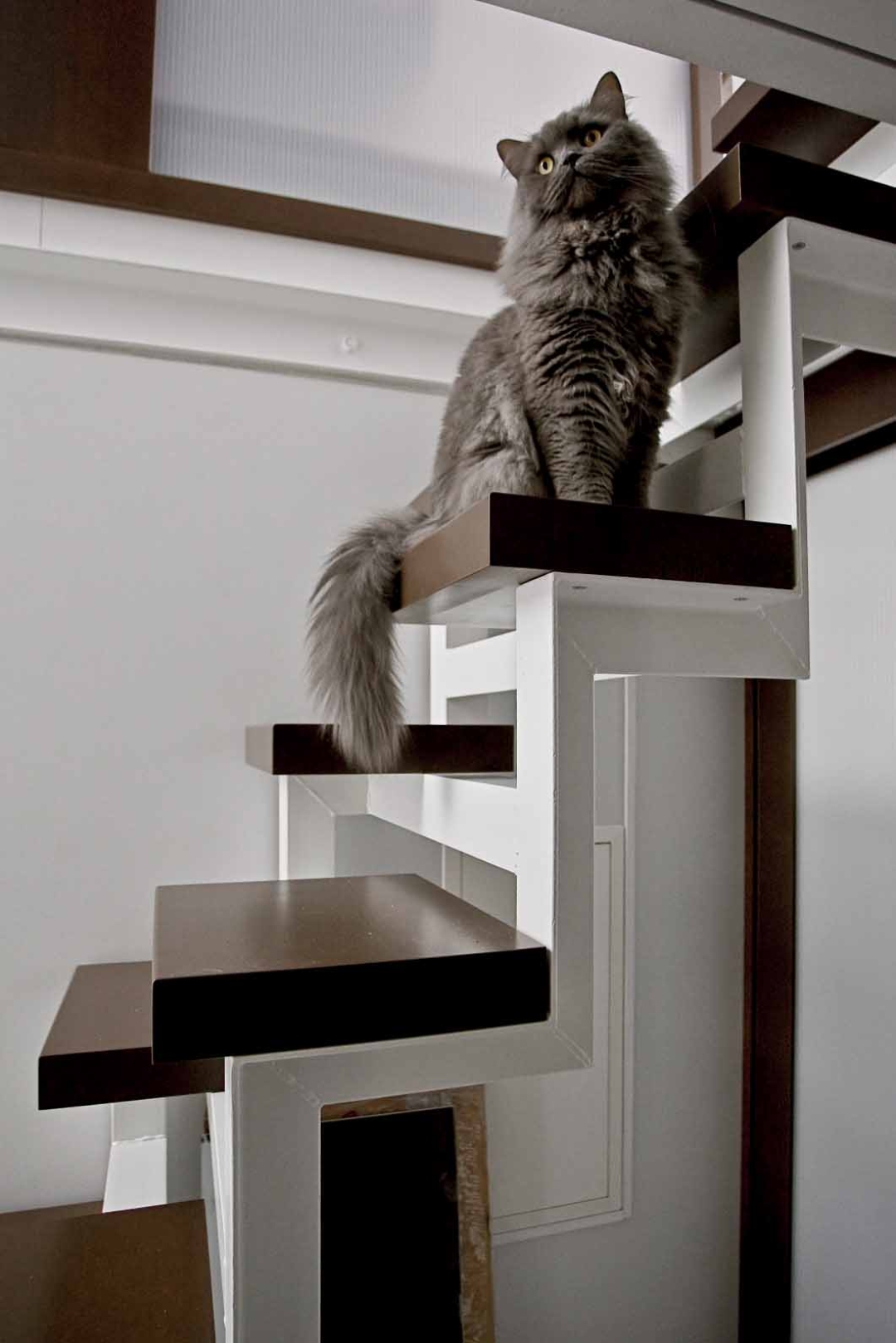
Softbox TiriPiri by ARHIS

This eco-conscious vacation home makes use of geothermal heat and solar panels. It also features an amazing split-tread staircase that would be perfect for any cat to climb (and likely trip up their owners!).

Cats2

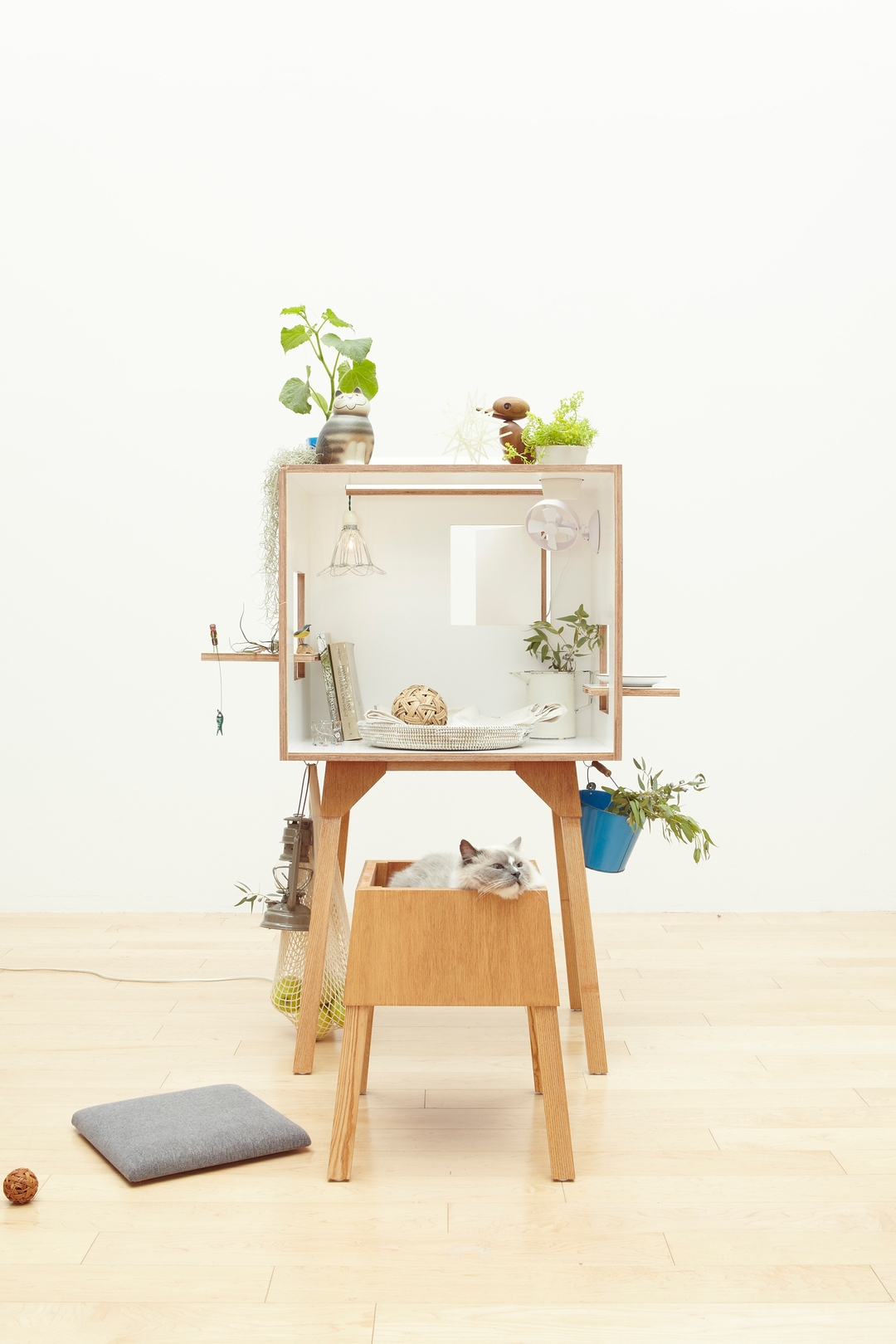
coloro-desk / koloro-stool by Torafu

Cats aren’t known for their industrious natures—there’s a reason it’s called a “catnap.” This modular plywood workstation may be perfect for human productivity, but a feline can easily find another use for the in-stool storage.

Read the full article on Architizer here.