Architectural Spaces For Jumpstarting Joy And Child’s Play

childplay

Outdoors Indoors by BE-FUN Design, Shinagawa, Japan

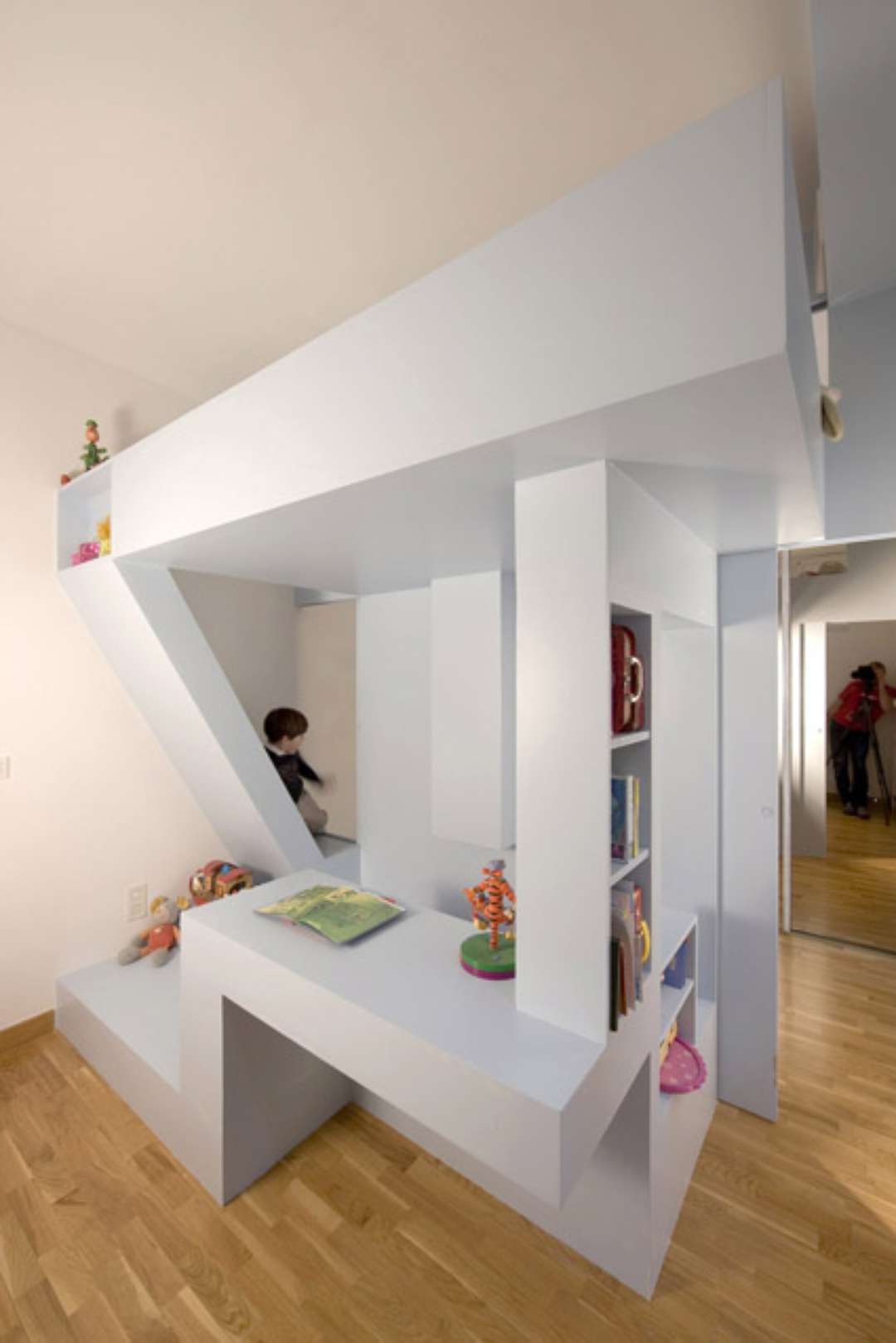
Having the freedom and space for play is an important element of childhood development. During play, children explore and learn about themselves and their world and the first inklings of autonomy are reinforced. Considering that even simple objects such as an empty cardboard box can yield endless possibilities and hours of fun, imagine what can happen when architects design secure, stimulating spaces specifically for children.

Continue reading here.

childplay1

Eva’s Bed by h2o architectes, Paris, France

childplay2

Tepoztlán Lounge by Cadaval & Solà-Morales, Tepoztlán, Mexico

The Surprising Architectural Qualities Of Zinc

zinc3

Hunter House by Darren Carnell Architects, Australia

Zinc has a long history of use in interior spaces; restaurants and bars of 19th century often used it in their countertops. The naturally antimicrobial, mildew- and mold-resistant properties of the metal made it ideal for kitchens, aiding the eating of oysters and the quaffing of absinthe.

zinc

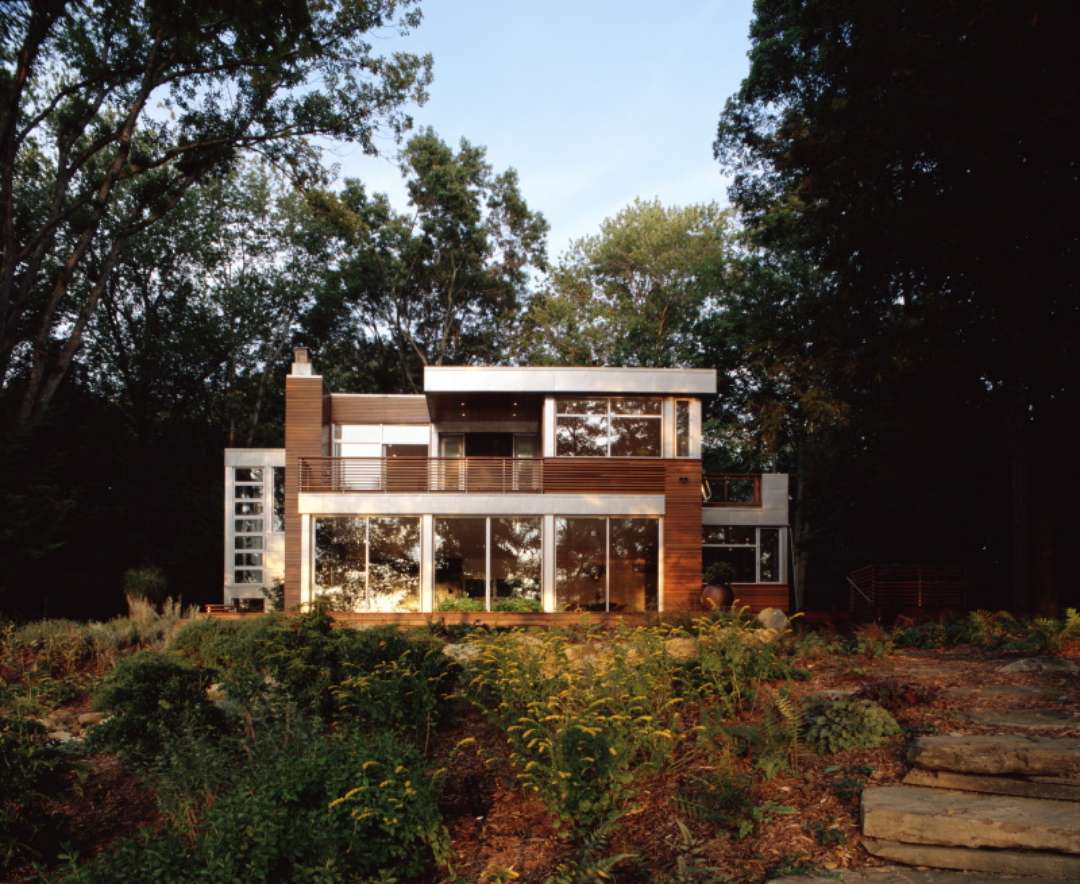
Lakeside House by Resolution: 4 Architecture, Kent, New York

But zinc has also proved extremely beneficial for use as cladding for contemporary architecture.

One form this use can take is through galvanization, a process that coats other metals such as aluminum, steel, or iron with an external layer of zinc. The element easily forms bonds with oxygen, carbon dioxide, and water molecules creating a chemical compound, zinc carbonate. This compound gives the metal its dull grey color and forms an extremely tough, resistant outer layer, which layer protects metals underneath it from corrosion. It can be used for applications from exterior cladding to hardware such as nails and screws.

Continue reading here.

zinc1

Capel Manor House Guest Pavilion by Ewan Cameron Architects, Horsmonden

zinc4

The Shed by Richard Peters Associates, Sydney, Australia

The Gesamtkunstwerk Of Contemporary Art Galleries

gallery

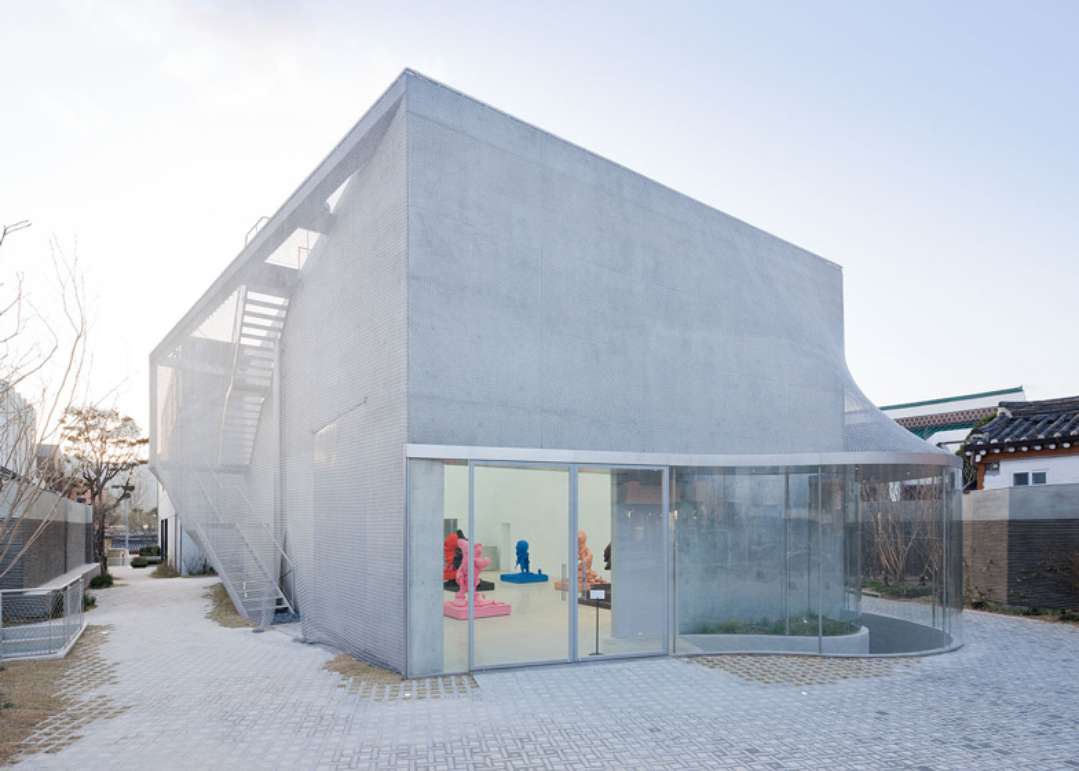
Kukje Gallery by Solid Objectives – Idenburg Liu, Seoul, South Korea

Most modern art galleries have a uniform design known as “the white cube.” Brian O’Doherty describes the design in a group of essays published by Artforum in the ’70s, writing, “[a] gallery is constructed along laws as rigorous as those for building a medieval church… Walls are painted white… The wooden floor is polished… the art is free, as the saying used to go, ‘to take on its own life.'” These rules leave little room for distinction, and apart from the art itself, the architecture of the building becomes the sole means of expression.

gallery1 gallery2

Art Warehouse in Boeotia by A31 ARCHITECTURE, Dilesi, Greece

Like museums, galleries have begun to invest in their architecture in an attempt to separate themselves from the crowd and become an “icon.” Good architecture can turn galleries into gesamtkunstwerk, or total works of art. The following galleries from the Architizer database are examples of the contemporary impulse to emphasize both the art on display inside a gallery and the building that houses it, creating a holistic experience for the gallery visitor.

Continue reading here.

gallery3

Sperone WestwaterFoster + Partners, New York, New York


The Cube Pop-Up Takes Dining To New Heights

cube1

The Cube by Park Associati

To be effective, a pop-up restaurant needs a sense of theater. The experience should be tantalizingly ephemeral, lasting only as long as the tastes and smells coming out of the kitchen. Architecture’s role is to provide the perfect space for the drama to unfold.

cube

The Cube by Park Associati

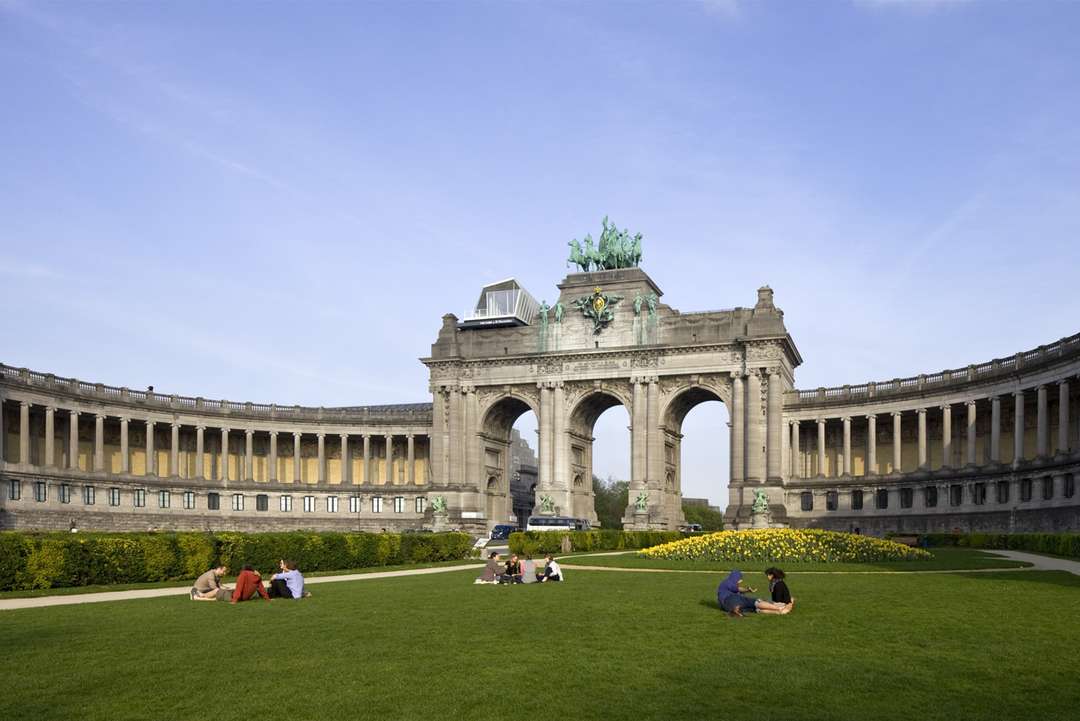
Some projects amplify the excitement by placing a restaurant somewhere it’s never been before. The Cube by Park Associati, a traveling pop-up sponsored by Electrolux kitchen appliances, takes the idea of unexpected restaurant placement to new heights: the restaurants alight on the top of monumental structures, such as the Parc du Cinquantenaire in Brussels, becoming sleek, modern interlopers among classical architecture. There are two versions of this modular restaurant traveling through European cities on a three-year schedule.

Continue reading here.

cube2

The Cube by Park Associati

Ramblin’ On Ranch Houses

ranch2

The Houl by Simon Winstanley Architects, Kendoon, GB

Mid-century America was dominated by the ranch, those low horizontal homes typified by a rambling floor plan. Indeed, the ranch—or “rambler”—accounted for a whopping 9 out of 10 homes built in the US during the 1950s. But by the 1970s, the rambler’s allure began to fade. As the US grew more prosperous, and as such post-war ideals about community and family made way for post-modern cynicism and individualism, Americans began to clamor for larger homes that reflected their personality.

ranch

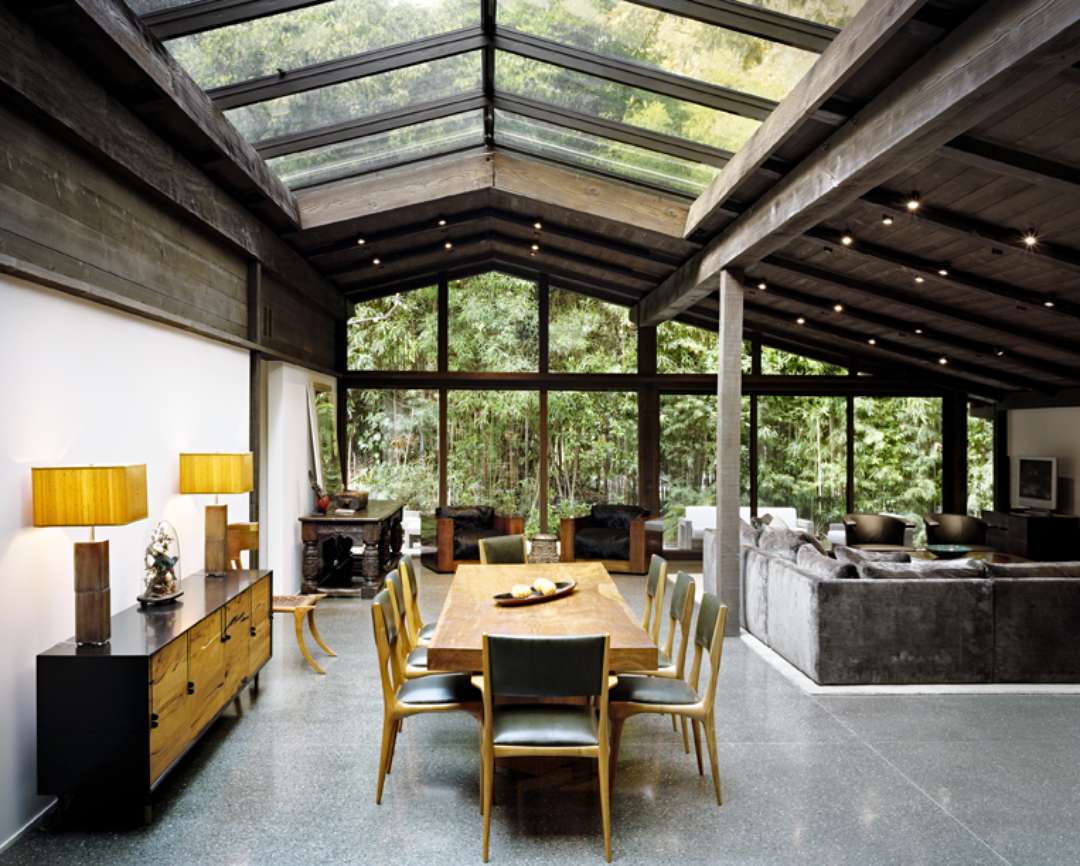
Experimental Ranch by Marmol Radziner, Los Angeles

But recently, the ranch has enjoyed a resurgence, due to the economic recession and the design’s wide availability and reasonable prices. Though long maligned for its uniformity, these contemporary versions have proved that the ranch can be stylish and modern.

Continue reading the article here.

ranch1

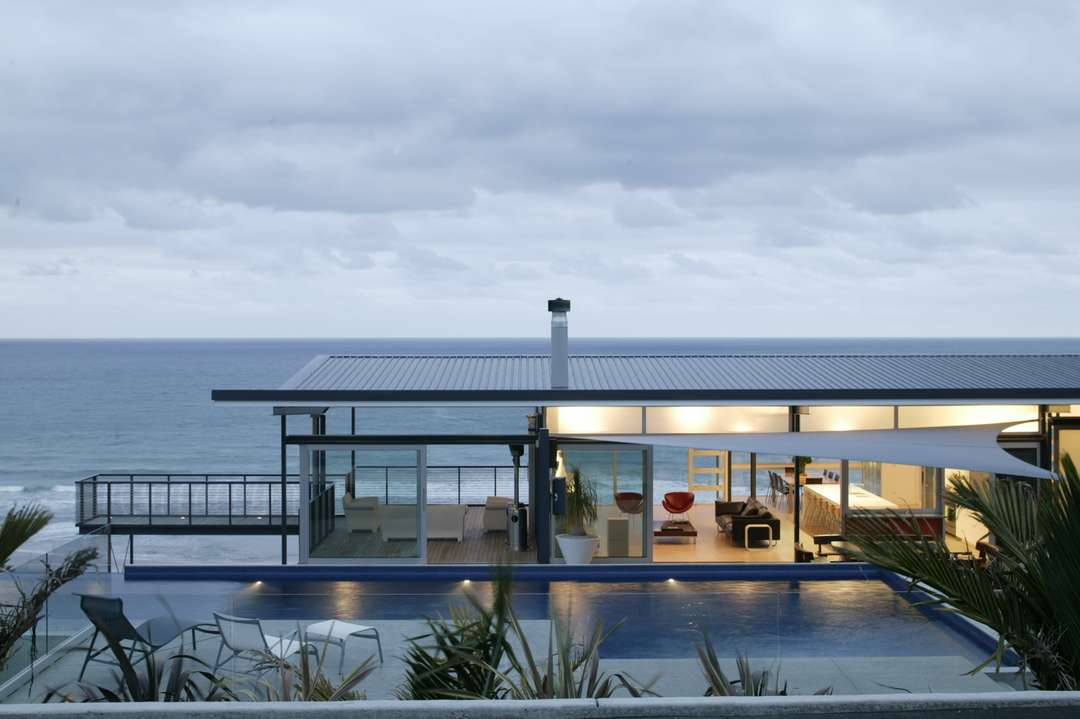
Okitu House by Bossley Architects, Gisborne, NZ

Kandinsky’s Color Theory Translated Into Architecture

Kandin1

YOUNG DISABLED MODULS///g.bang/// josé javier gallardo, Zaragoza, Spain

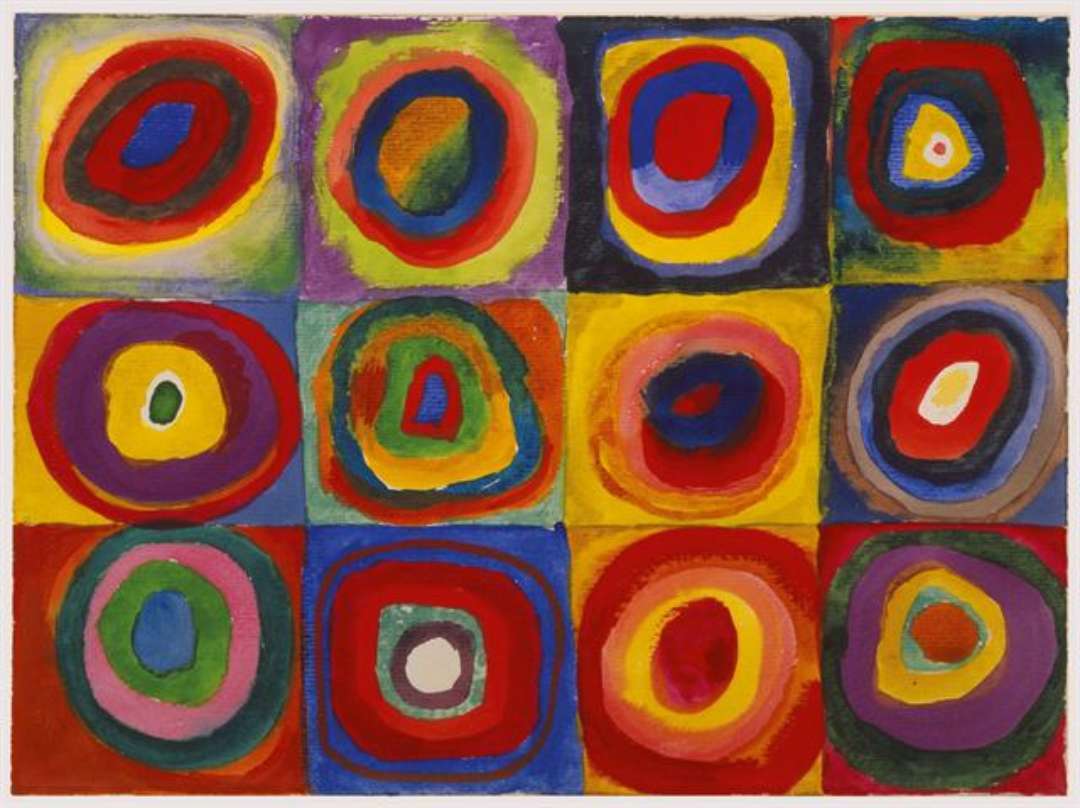
Wassily Kandinsky’s art explored the relationship between color and its viewers. He eschewed the greys, browns, and blacks of Cubism, embracing color as the primary vehicle for expression. In doing so he completely separated painting from a need to depict a subject. The goal of Kandinsky’s art was to capture music in a plastic medium, to evoke the same feelings a piece of music could evoke through shades and hues.

Kandin

Color Study: Squares with Concentric Circles by Wassily Kandinsky. Image via Wikipaintings

The theories he developed about color and meaning would prove influential in all creative fields, with the De Stijl movement expanding his philosophies and incorporating color into industrial design and architecture. Employing the color wheel, Kandinsky went through each hue, explaining the feelings it evoked, emotions it captured, and the sound it “made.”

Continue reading here.

kandin3

123 social green housing in MadridSOMOS.arquitectos, Madrid

kandin4

Falcon HeadquartersRojkind Arquitectos, San Angel, Mexico

The Five Alarm Design Of Contemporary Firehouses

fire3

In the Rock – Fire Brigade Magreidbergmeisterwolf architekten, Margreid, Italy

Firefighters have a dangerous job. They also have a unique workweek, normally working 24 hours straight, with two days off. This schedule requires a building that combines work and living space under one roof—not only a garage for the fire truck, but also a kitchen and areas for relaxation and sleep.

Fire Fire1


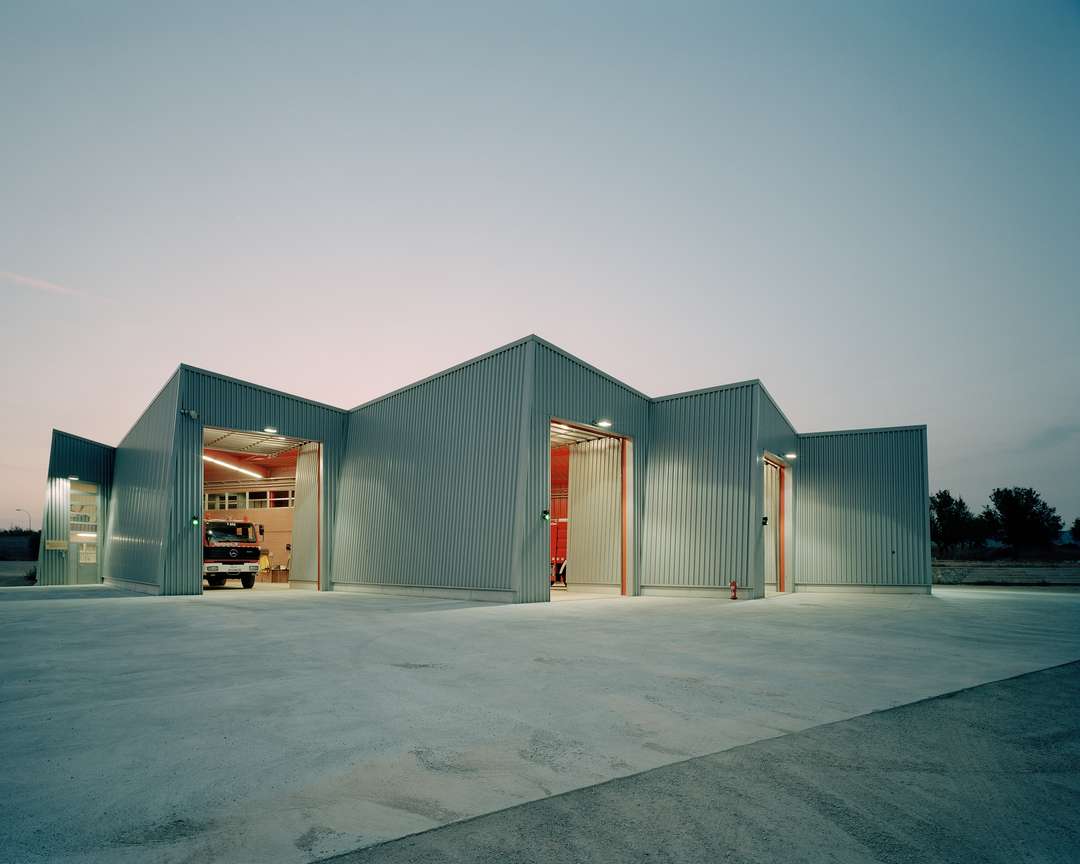
Fire Station, GavaMestura Arquitectes, Gava, Spain

Traditional firehouse floor plans revolve around the fire pole, allowing quick access to the engines and gear in an emergency. Contemporary firehouses don’t incorporate the sliding pole anymore; safety issues surrounding holes in the floor make it untenable. Architects are also forsaking brick and mortar, using glass, steel, and other modern materials for an updated appearance.

See the full article here.

Firehouse2


Parc De BombersArriola & Fiol arquitectes, Montblanc, France

fire4


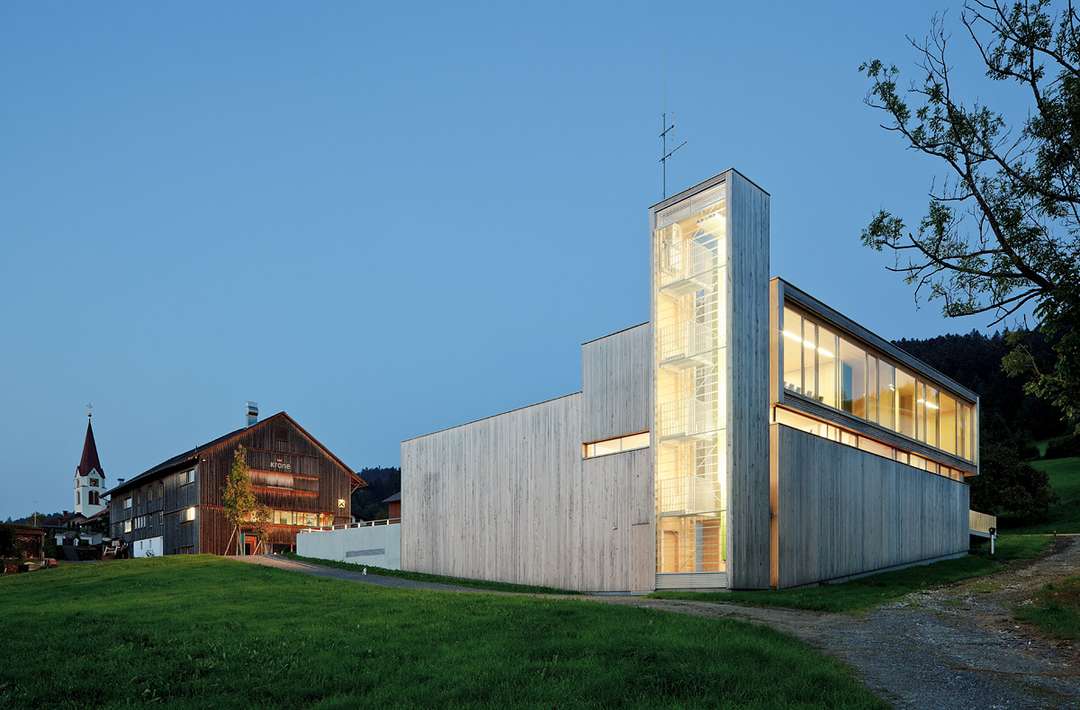
Fire stationDietrich / Untertrifaller Architekten, Sulzberg-Thal, Austria

The Architectural Mash-Up

mashup1

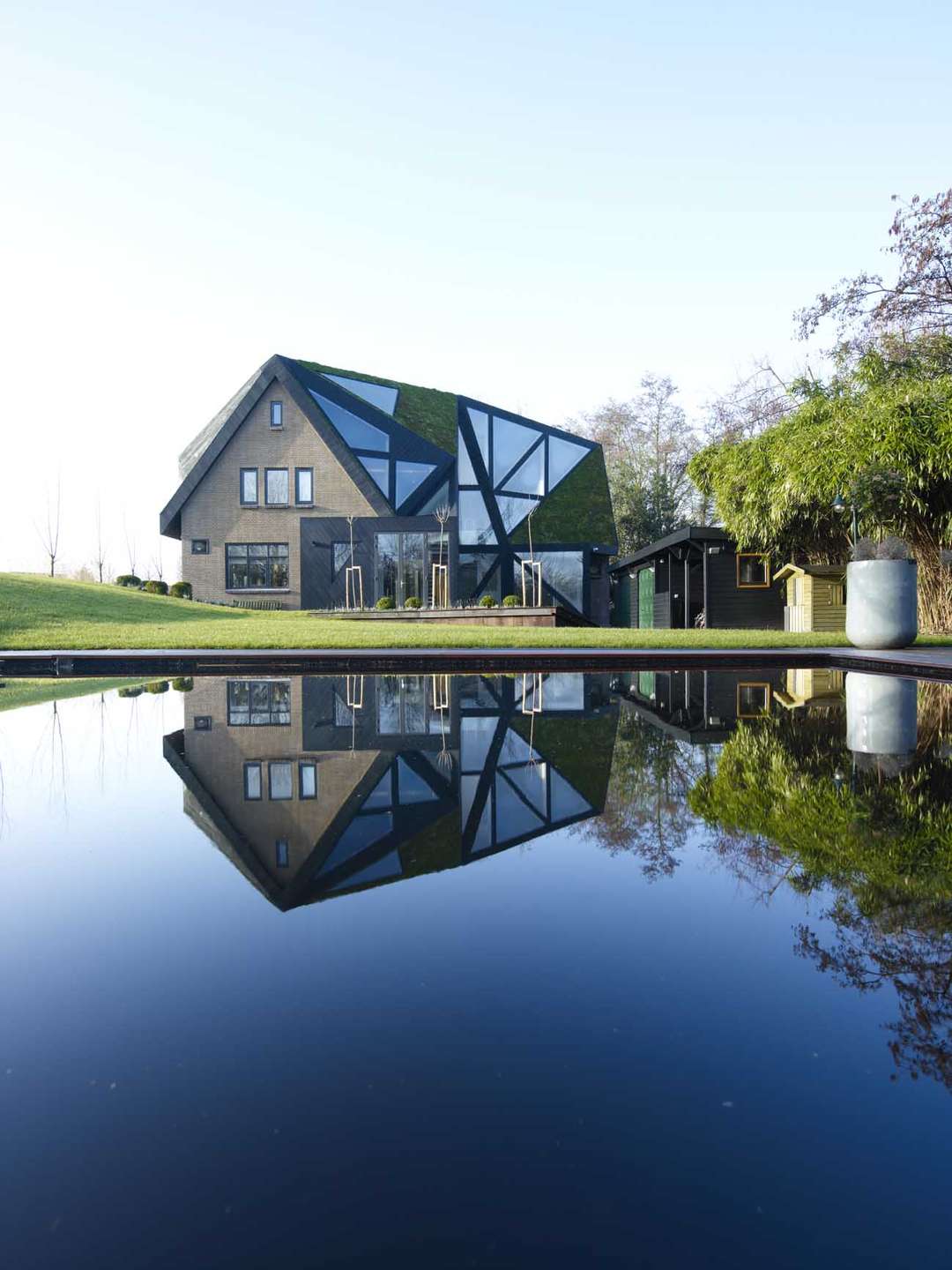
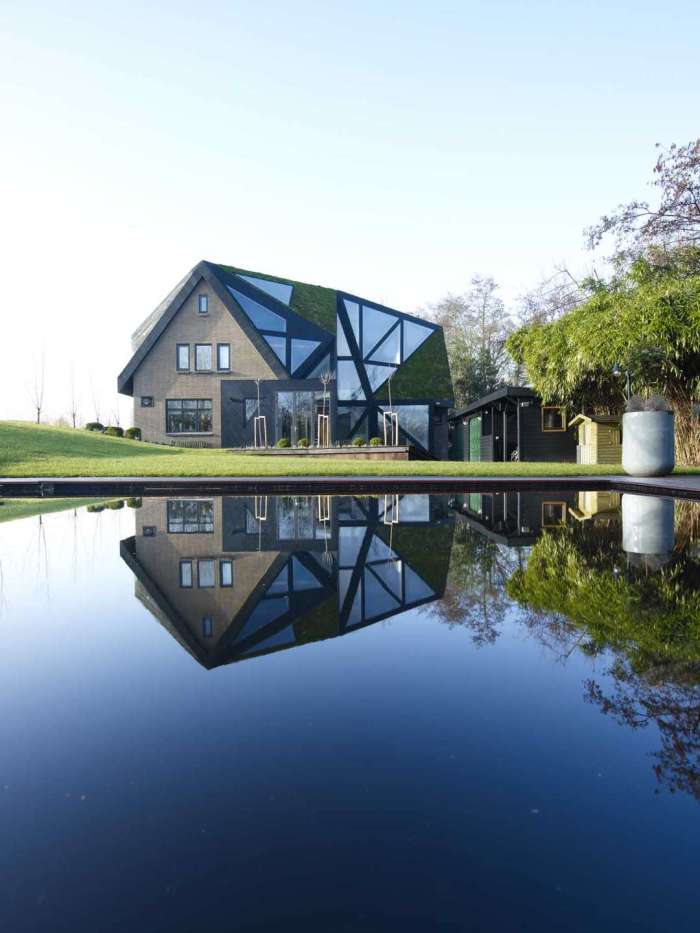
Villa RotterdamOoze, Rotterdam, Netherlands

Digital technology has made the mash-up a quintessential art form of the new millennium. Hearing Britney Spears sing over the Clash can be disconcerting at first—to some maybe even offensive. However, combinations of disparate tracks can reveal hidden aspects of either song, and create a truly transcendent—or at the very least entertaining—experience. (If you are not sure what a musical mash-up is google Hollertronix or Girl Talk to find out.)
mashup2

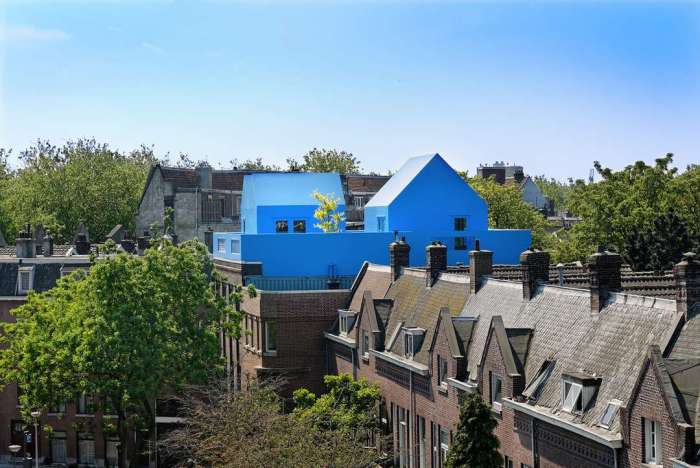
Didden VillageMVRDV, Rotterdam, Netherlands

The analog world of architecture normally eschews the everything-and-the-kitchen-sink ethos of digital pop culture. Simplicity and purity are a big part of the aesthetic values celebrated by contemporary architects.
mashup

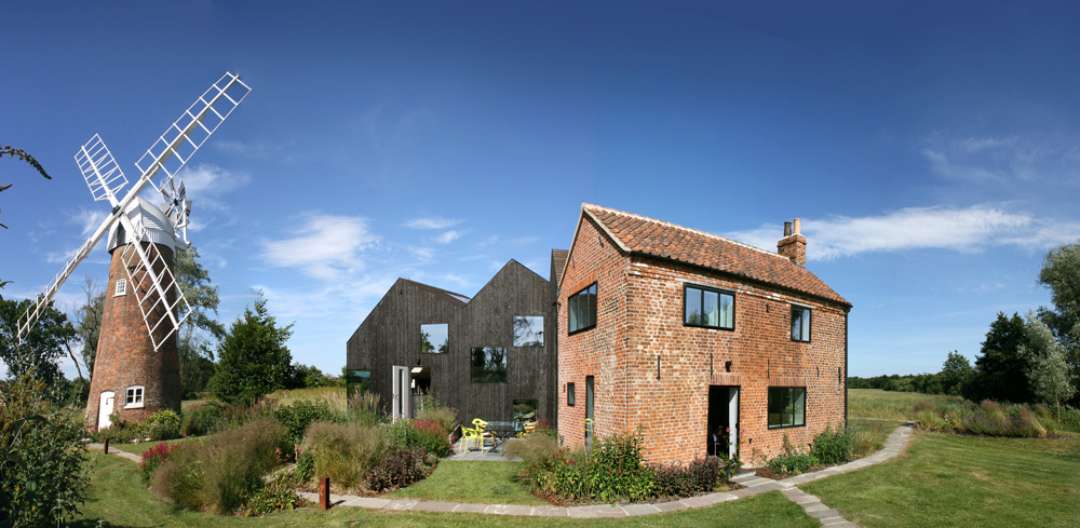
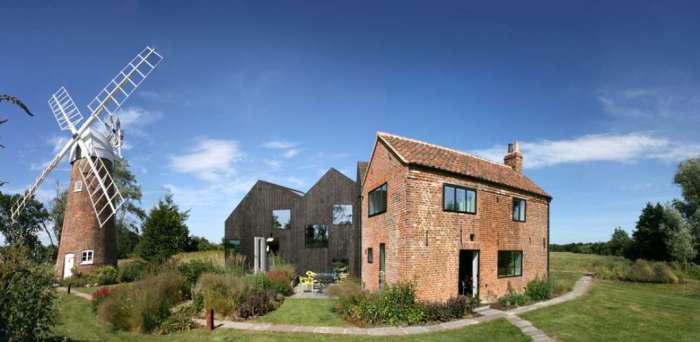
Hunsett MillACME, Norfolk, GB

The notable exception is architects grouped under the postmodernist umbrella, who sought to combine diverse elements into their buildings. Rejecting Mies van der Rohe’s idea that “less is more,” Robert Venturi, famed postmodernist architect, offered the rejoinder “less is a bore.” However postmodernism’s influence over architectural philosophy has proved tenuous

Continue reading the full article here.

mashup3

The Floating Farmhousegivonehome, Eldred, US

Out Of The Bottle And Into The Building

cork1

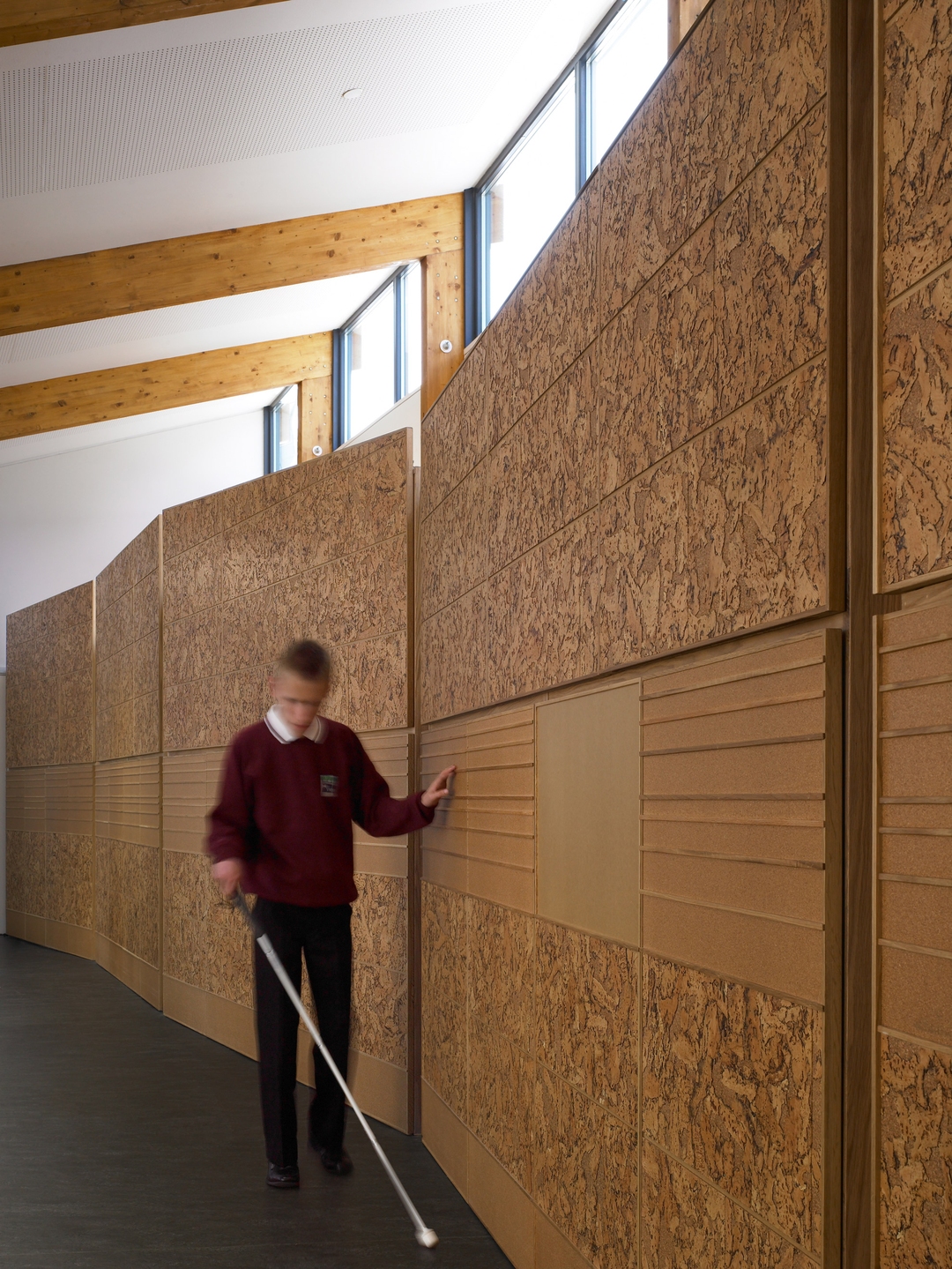
Hazelwood School by Alan Dunlop Architect Limited

Cork is a ubiquitous material used in products such as bulletin boards and wine bottle stoppers, but its history of use in architecture is limited to mainly sub-flooring and insulation. However, contemporary architects looking for environmentally friendly building alternatives have begun to implement cork in innovative, nontraditional applications.

cork2

Treehouse by SHED by SHED

Typically, trees are cut down and milled in order to produce construction material such as lumber or plywood. The cork oak tree is different; the bark, which grows back, is harvested stead of the trunk, making cork one of the most sustainable material choices.

cork

Cork House by Arquitectos Anónimos