To Everything Turn, Turn

Haus

Haus am Weinberg by UNStudio

In many projects, the incorporation of the natural world into an architect’s design is obvious. Other times, though, the inspiration is not so readily apparent. Take the Haus am Weinberg, for example. This contemporary residence does not blend into its rustic vineyard environment rising out of the hillside. Upon closer inspection, however, it becomes clear that the architects reflected the terraced slope of the surrounding topography in the very structure of the home, a design they call “the twist.”

Haus1

Haus am Weinberg by UNStudio

The twist begins at the central axis, from which the interior spaces radiate,stacking upon each other at rotated angles as the building rises like a spiral staircase. The result is that the top floor is cantilevered over the bottom floor, creating a sculptural profile that echoes the slant of the hillside.

Read the complete article on Architizer here.

Haus2

Haus am Weinberg by UNStudio

Architectural Solutions For The Hearing Impaired

deafspace1


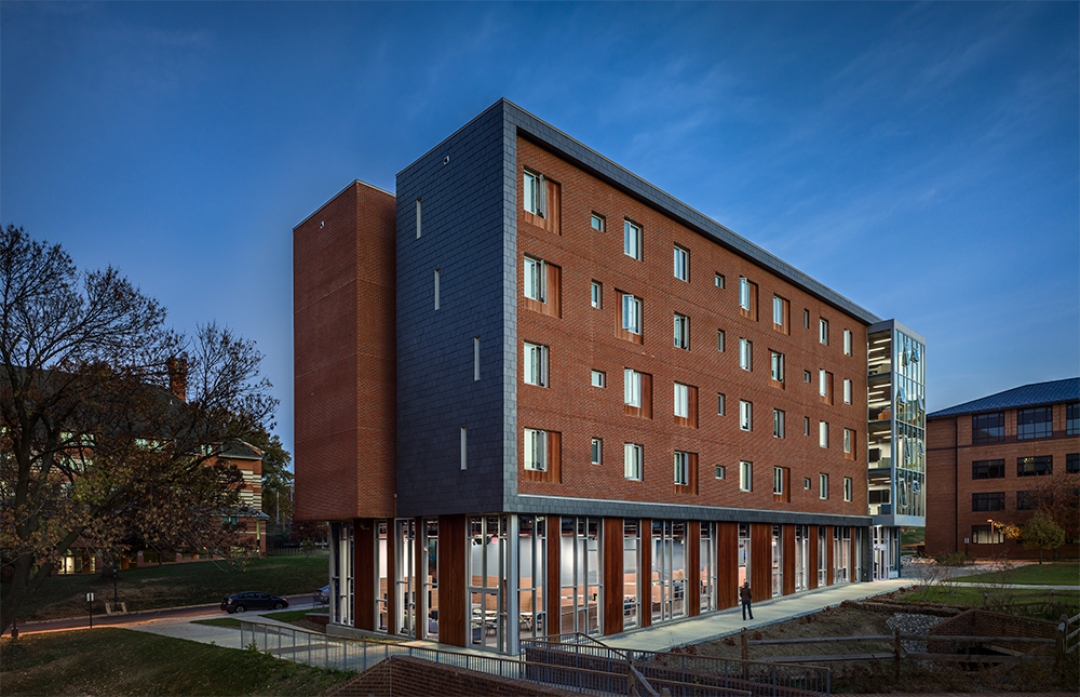
Living and Learning Residence Hall 6 by LTL Architects

For those of us with all five senses intact, navigating through daily life can be difficult enough. Who hasn’t unexpectedly trip on a sidewalk crack or missed a step and fallen? Now imagine if you couldn’t see or hear.

deafspace


Living and Learning Residence Hall 6 by LTL Architects

Gallaudet, the only liberal arts university for the deaf and hearing impaired, is seeking to change the way the architecture of its campus relates to its students. Future building plans will attempt to create a benevolent built environment that uses design principles to improve the quality of life of its students.

Read the full article on Architizer here.

deafspace2


Living and Learning Residence Hall 6 by LTL Architects

The Japanese Art Of Shou Sugi Ban

shousugiban shousugiban1 shousugiban3

Images via

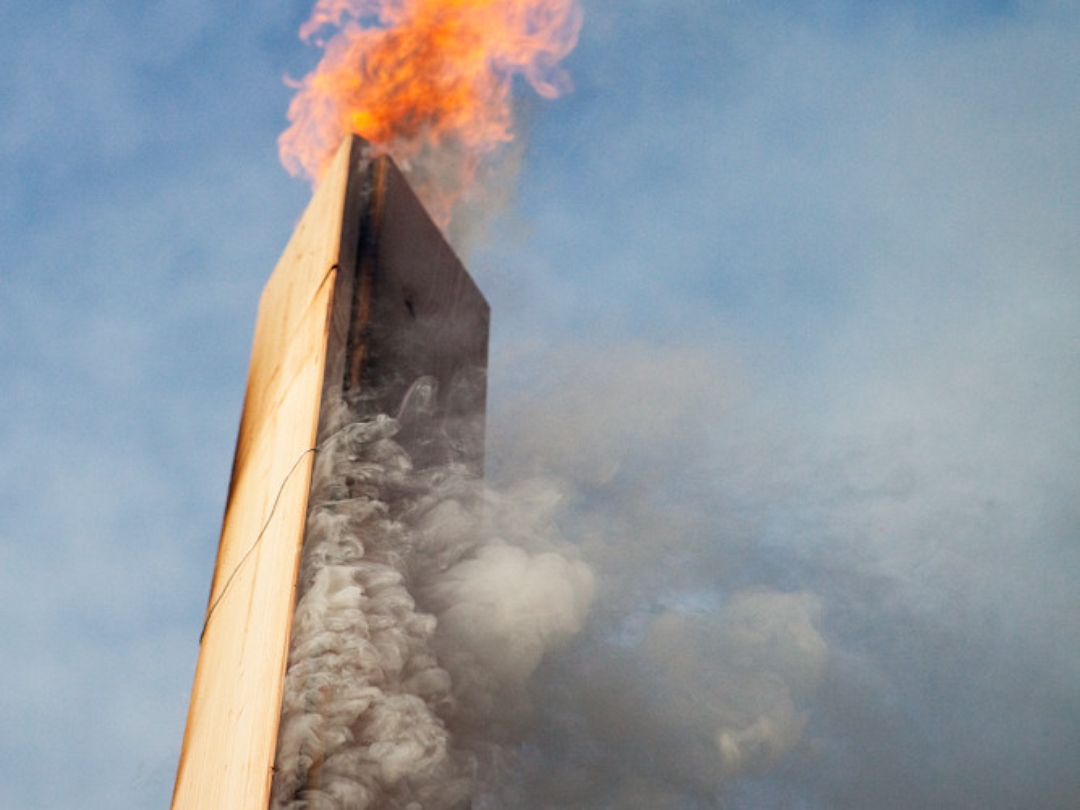
Using fire as a tool for construction seems counterintuitive. But burning lumber being used in a project (just a little bit) can boost the end result structurally, as well as aesthetically

The process is fairly simple. Burn the planks on both sides to the desired amount of char. The carbon exterior will release the moisture inside the board as gas and steam. (Think of it as turning the wood’s surface into a chemical compound similar to the pure carbon a diamond.) After cooling the boards, brush and wash them to your aesthetic liking—the amount of char cleaned off changes the look of the wood. Finally, you can seal the board with a natural oil of your choice, or leave it unvarnished.

shousugiban4

Shou Sugi Ban by BYTR Architecten

This method of burning the surface of wood building materials began in Japan during the 1700s. Since Japanese builders traditionally used cedar, as well as cypress, the process is called shou sugi ban, or “burnt cedar.” In more recent years, Japanese have opted for plastic and other materials for their buildings, causing the shou sugi ban to wane.

Read the complete article on Architizer here.
shousugiban5

Sands Point Renovation by CDR Studio Architects, PC

Cats Rule Architecture

Cats

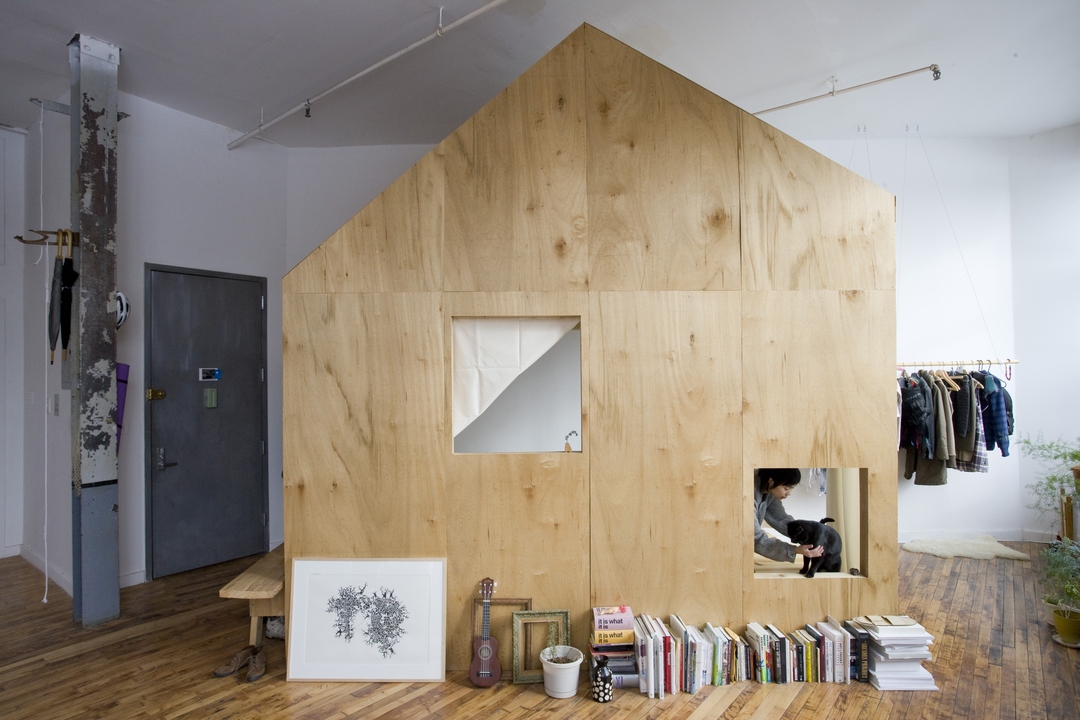
A Cabin in a Loft by Terri Chiao

It’s true: cats really do rule everything around us, or at least they act like they do. While some pet lovers may argue that the unquestioning affection of dogs is preferable, cat lovers know that the attention of felines is reserved for those of us with discerning taste… in architecture and companionship.

Cats3 Cats4

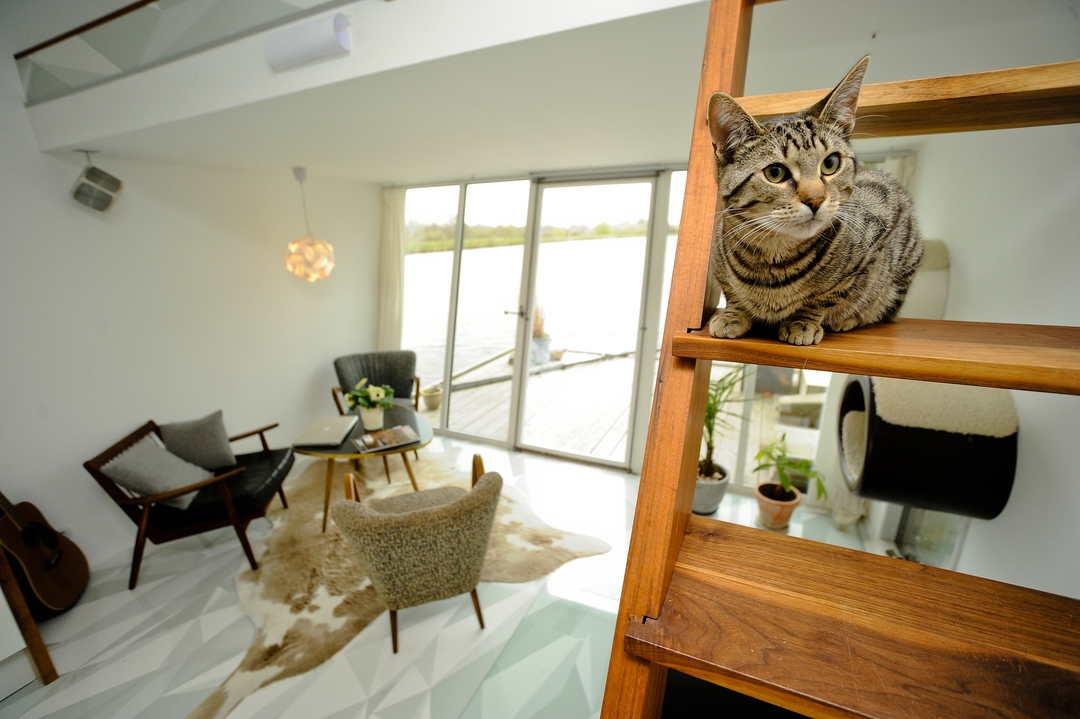
Hausboot Silverbeaver by Confused-Direction Design

Cats typically hate water, so a houseboat might seem like the last place they’d like to call home. However, this particular floating home is actually a cat’s paradise, featuring a wood-burning stove to warm up by and carpeted perches on the wall designed specifically for the feline residents.

Cats1

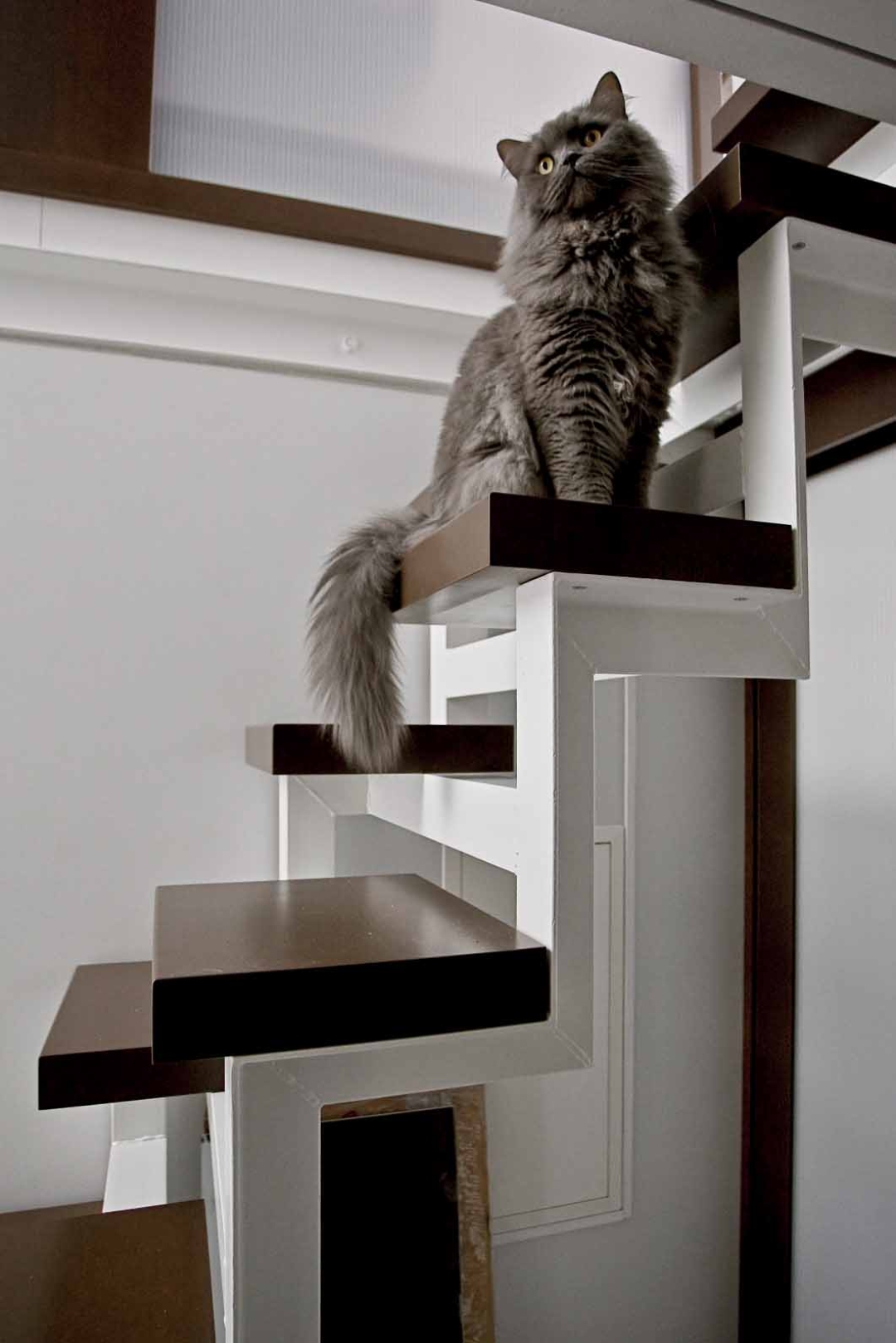
Softbox TiriPiri by ARHIS

This eco-conscious vacation home makes use of geothermal heat and solar panels. It also features an amazing split-tread staircase that would be perfect for any cat to climb (and likely trip up their owners!).

Cats2

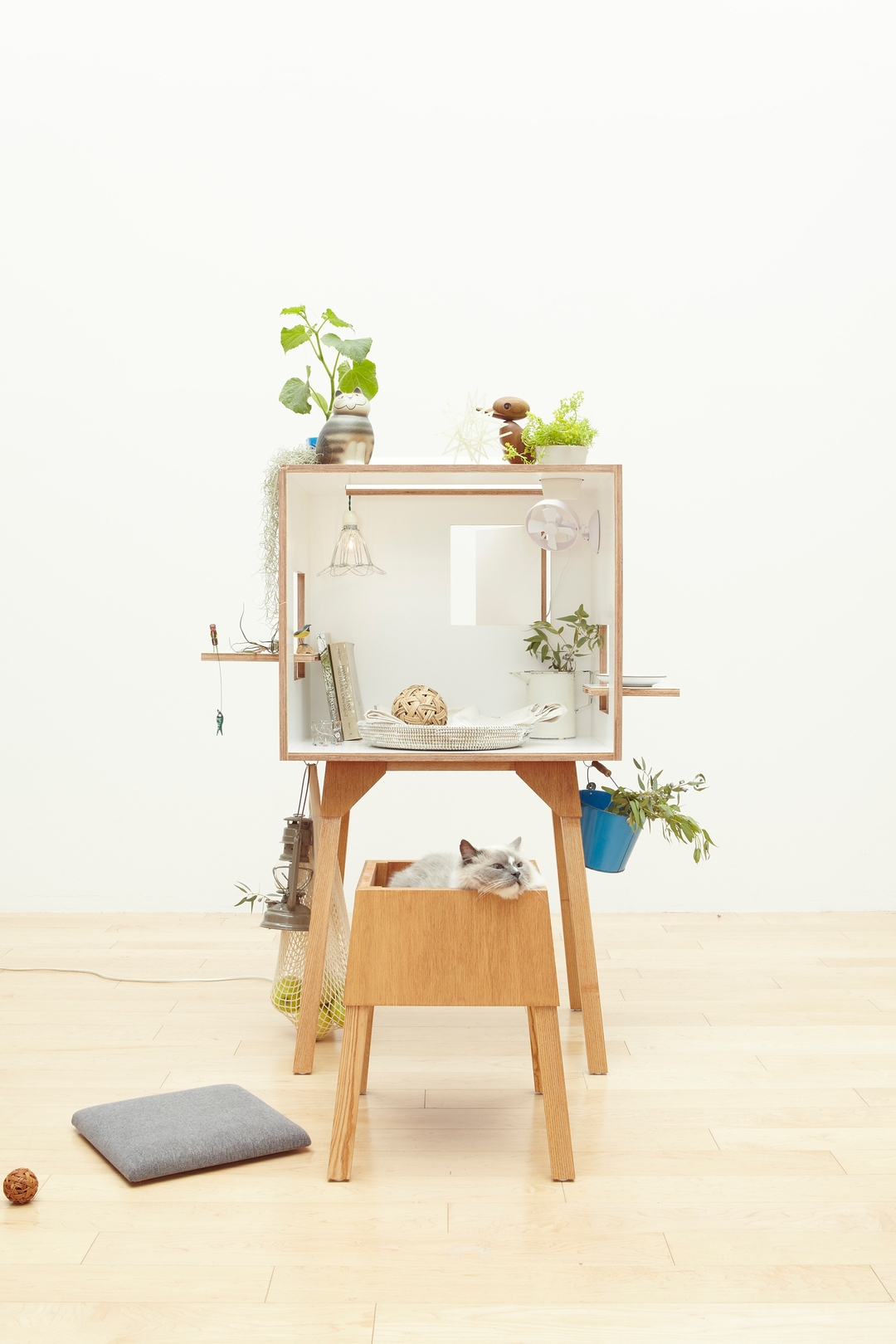
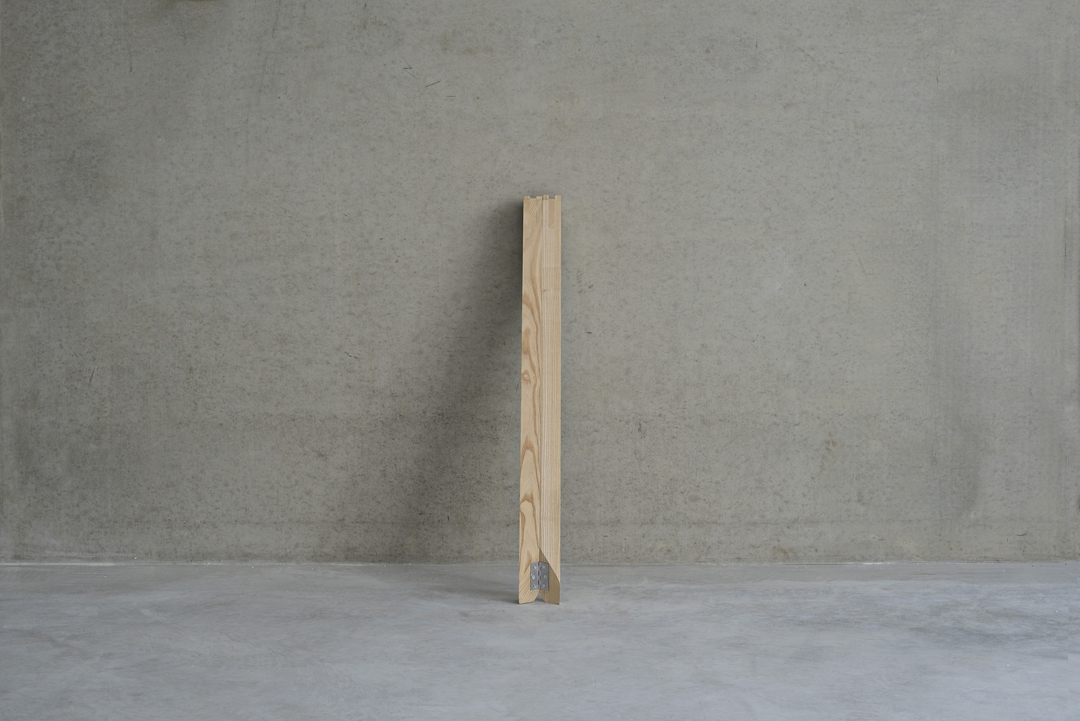
coloro-desk / koloro-stool by Torafu

Cats aren’t known for their industrious natures—there’s a reason it’s called a “catnap.” This modular plywood workstation may be perfect for human productivity, but a feline can easily find another use for the in-stool storage.

Read the full article on Architizer here.

Léger And The Modern Metropolis

Leger_2

Ballet MécaniqueFernand Léger, 1923-24.

In the late 19th and early 20th centuries, Paris was undergoing rapid transformation.New technology engendered a new experience of the surrounding environment, now a kaleidoscope of color and form: trains puffing white smoke across the French countryside, ubiquitous advertisements, and automobiles speeding at unprecedented velocities.

Leger

“The City,” Fernand Léger, 1919.

Paris was Léger’s primary metropolitan subject. Napoleon III and Baron Haussman undertook a massive urban planning program during the second half of the 19th century, imposing a rational grid of boulevards and train stations where medieval alleyways once stood. Once Paris had a structure, it was able to modernize, a process that changed the experience of the city entirely.

Léger wrote, “when one crosses a landscape by automobile or express train it becomes fragmented, it loses descriptive value but gains in synthetic value. The view through the door of the railroad car or the automobile windshield, in combination with the speed, has altered the habitual look of things.” In Léger’s mind, it was the artist’s job to depict this new myriad of sensory impressions; the desire to capture speed and fragmented detail led him to a nonrepresentational method of painting, similar to cubism and featuring contrasting colors to provoke feelings of dissonance.

Read the complete article on Architizer here.

LegerCorbu

Fernand Léger on left, Le Corbusier on the right. Image via.

Homes That Break Out Of Winter For An Endless Summer

EndlessSummer1

Endlesssummer7

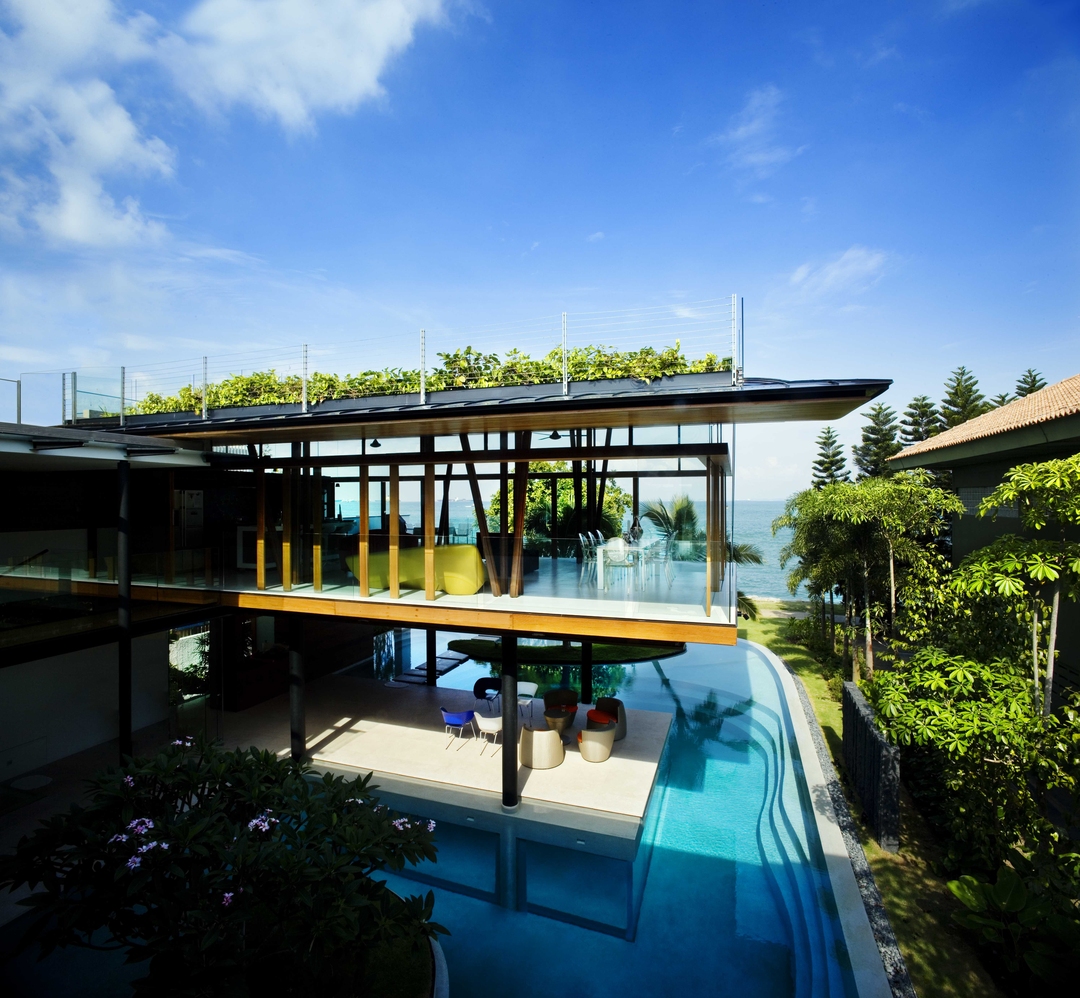
Fish House by Guz Architects

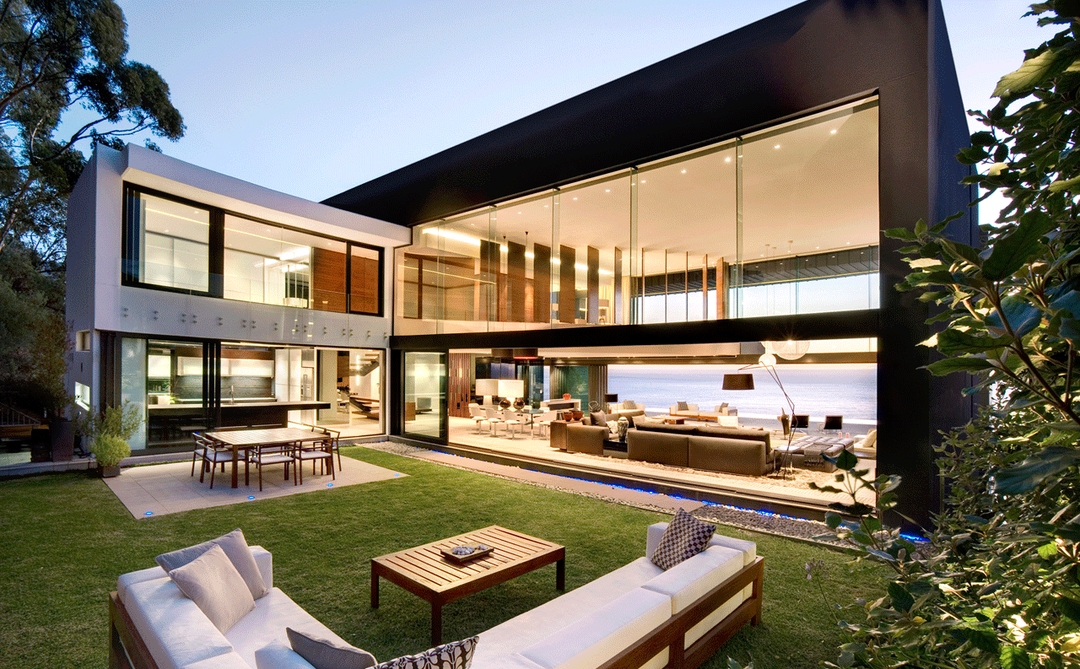
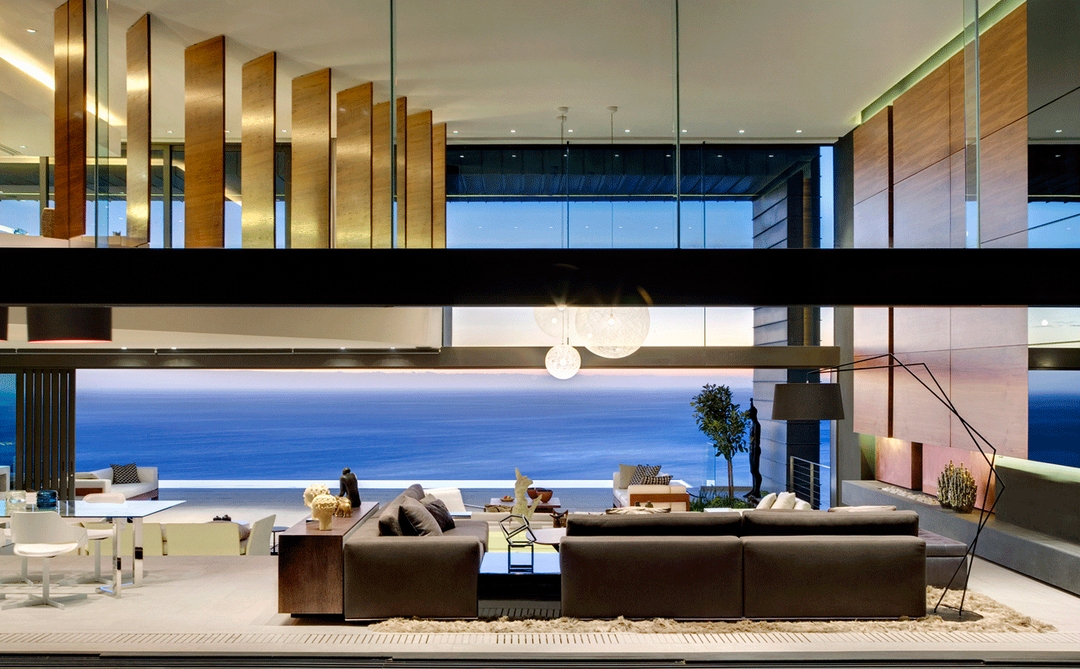
The 1960s film “Endless Summer” followed a group of surfers from California around the world, chasing the hot weather so they could surf year-round.  But while the surfers in “Endless Summer” were in search of the perfect wave, I just want the perfect place to escape the cold.  Winter 2014 has been a bit exhausting with it’s Polar Vortex, extreme cold, and consistent snow.  Here are a few of a my favorite projects culled from the Architizer Project database for escaping Winter cold.

Read the full article on Architizer here.

EndlessSummer4

Rio Bonito House by Carla Juacaba

EndlessSummer2 EndlessSummer3

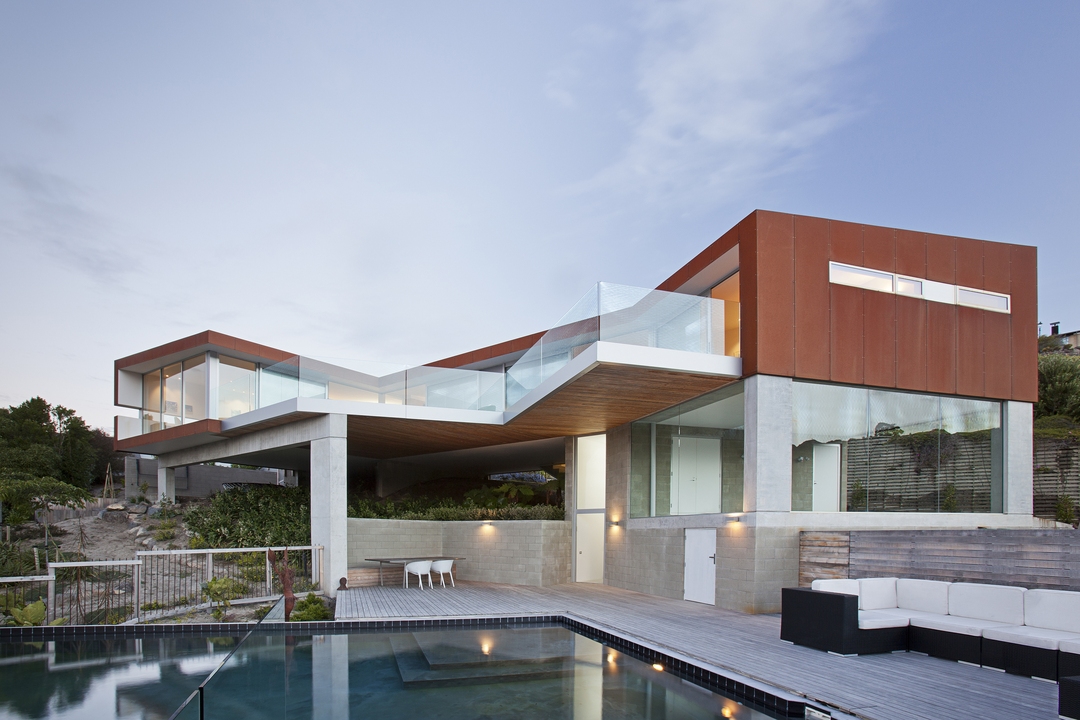
Waterfront House Coogee by JPR Architects

EndlessSummer5 EndlessSummer6

Nettelton 199 – Clifton by SAOTA – Stefan Antoni Olmesdahl Truen Architects

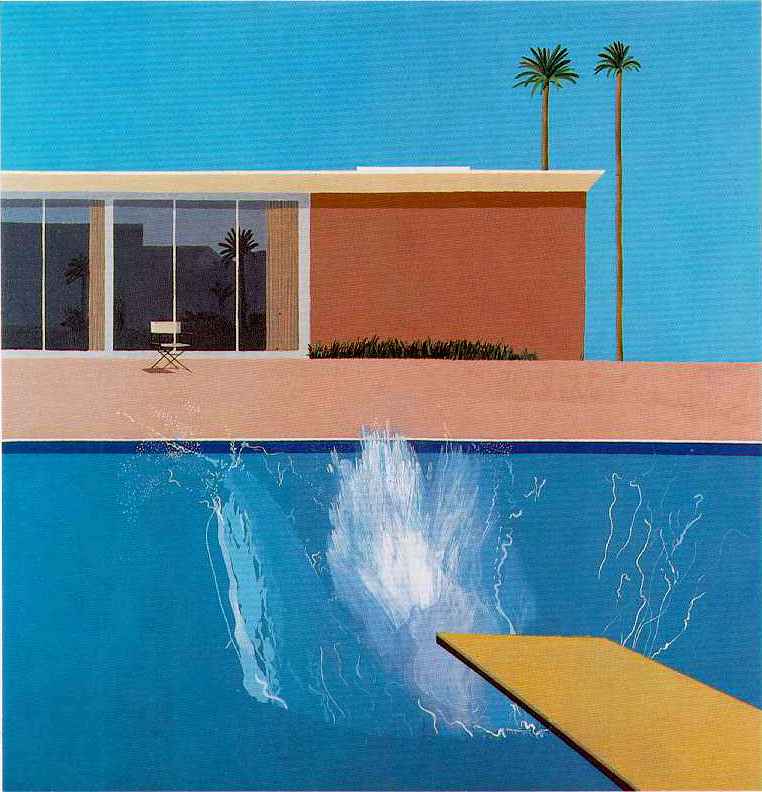
David Hockney’s Pool Paintings Capture The Best Of SoCal Modernism

hockney.a biggersplash

“A Bigger Splash,” David Hockney, 1967.

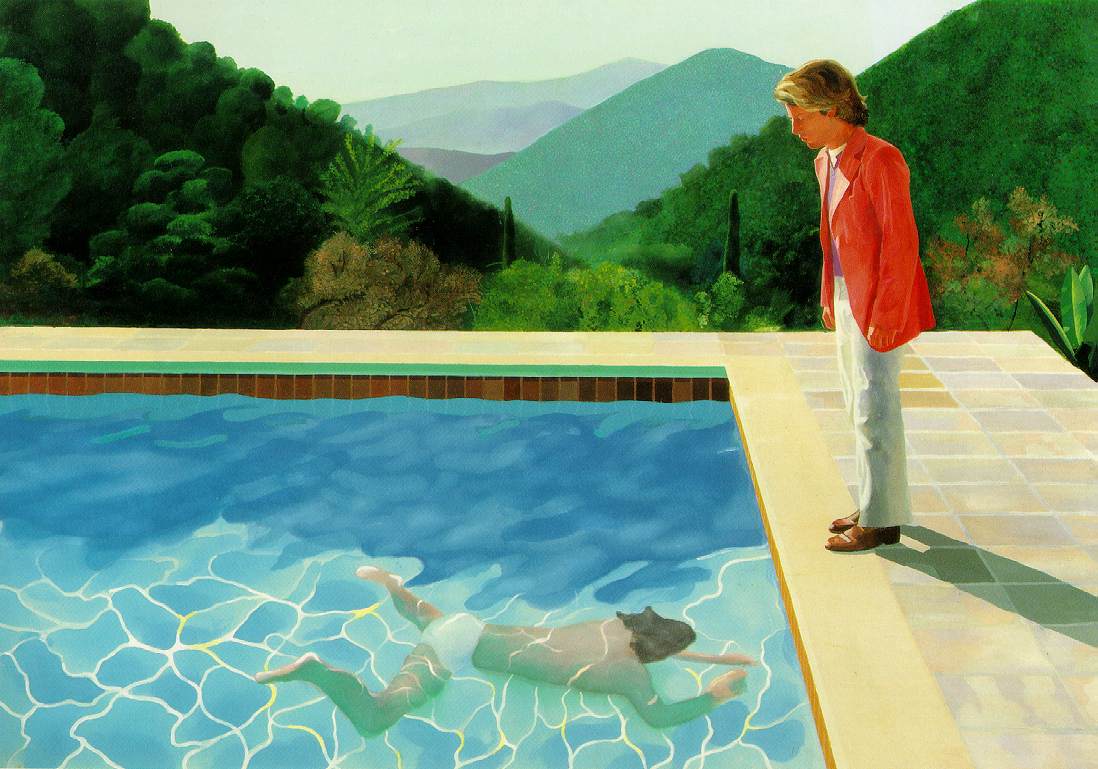
If the house is a machine for living, as Le Corbusier famously said, then the pool is the hedonistic machine for pleasure. And no artist captured the thrill of the quick plunge, or leisurely submersion, quite like David Hockney.

hockney.pool-2-figures

“Portrait of an Artist (Pool with Two Figures),” David Hockney, 1972.

hockney.nick-wilder

“Portrait of Nick Wilder,” David Hockney, 1966.

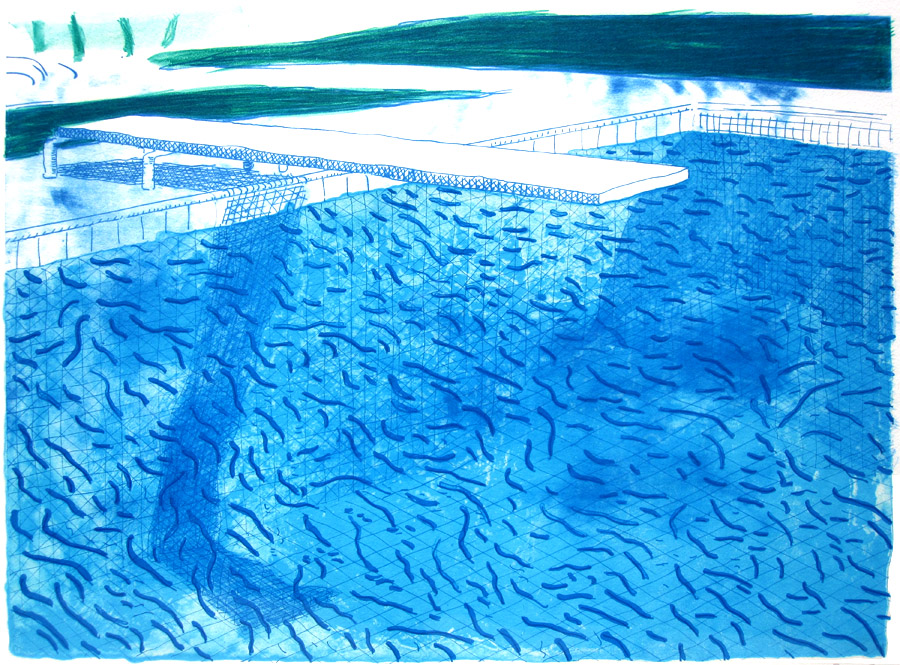
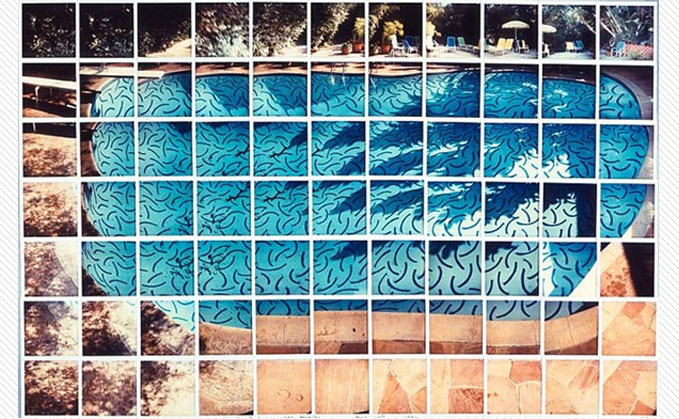
Though born in Yorkshire, England—which has to be one of the least sunny places in the world—Hockney was an apt renderer of the swimming pool and the architecture surrounding it. The artist began painting them during his first trip to Los Angeles in 1964, and the resulting vibrant, almost abstract, planes of color captured the clean lines, flat surfaces, and the openness to the natural environment of California Modernism.

Read the complete article on Architizer here.

“Lithograph of Water Made of Thick and Thin Lines and a Light Blue Wash and a Dark Blue Wash”

“Lithograph of Water Made of Thick and Thin Lines and a Light Blue Wash and a Dark Blue Wash,” David Hockney, 1978.

Hockney Photograph of Roosevelt pool

“Sun on the Pool,” David Hockney, 1982.

Rust Never Sleeps

Rust2

Redcliff House by MAP Architects

Kryptonite is the Man of Steel’s one weakness, but steel itself is far more vulnerable. As any architect knows, this otherwise strong material has a hard time standing up to water and air, which cause it to rust, eating away the metal and causing corrosion and structural damage. But weathering steel, or cor-ten, has a special superpower: It uses rust as a shield. This may not seem as impressive as being able to fly like Superman, but it is extremely useful for architects and engineers.

Rust

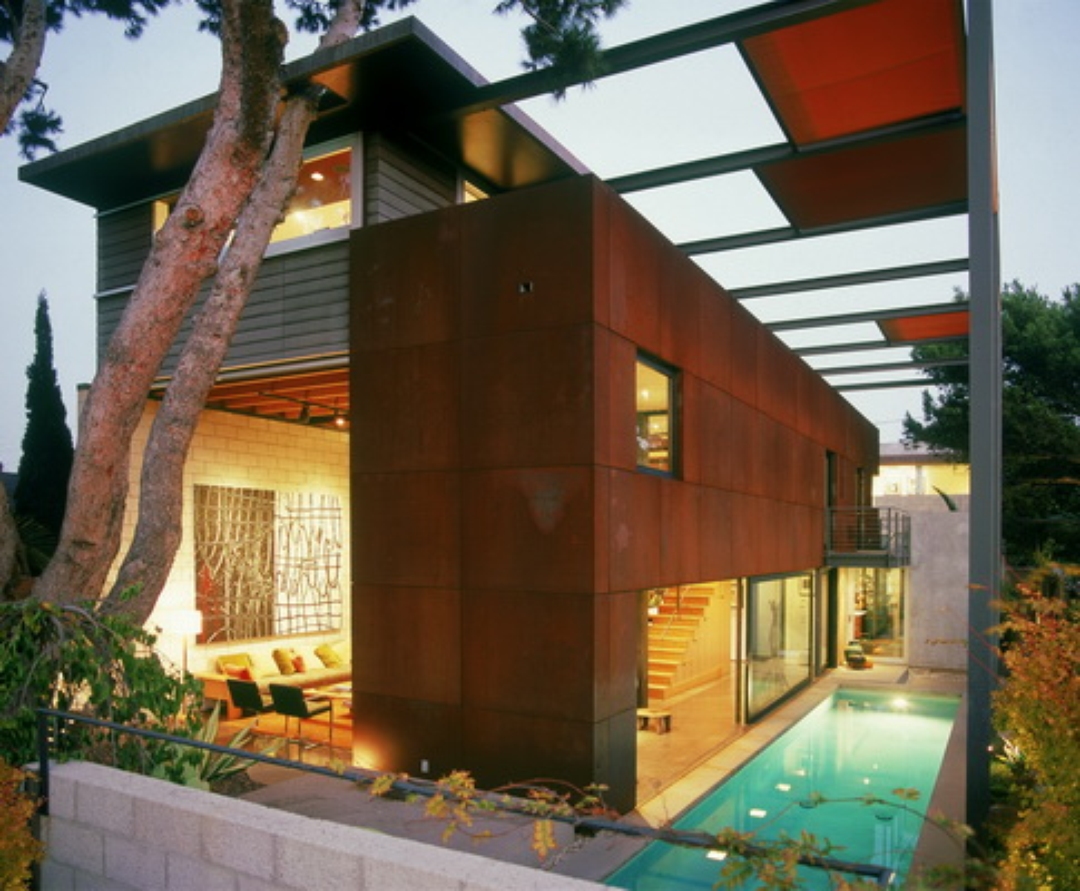
700 Palms Residence by Ehrlich Architects

The iron in standard steel forms ferrous oxide when exposed to moisture and oxygen. This is what we call rust, typified by its reddish orange color and flakiness. Corrosion in rusted steel occurs because the molecular bonds holding the iron together have been destroyed. Typical steel will flake away to nothing over time. The chemical process is similar to removing all load-bearing walls in a building, the internal structure is gone and the whole breaks into pieces.

Rust3

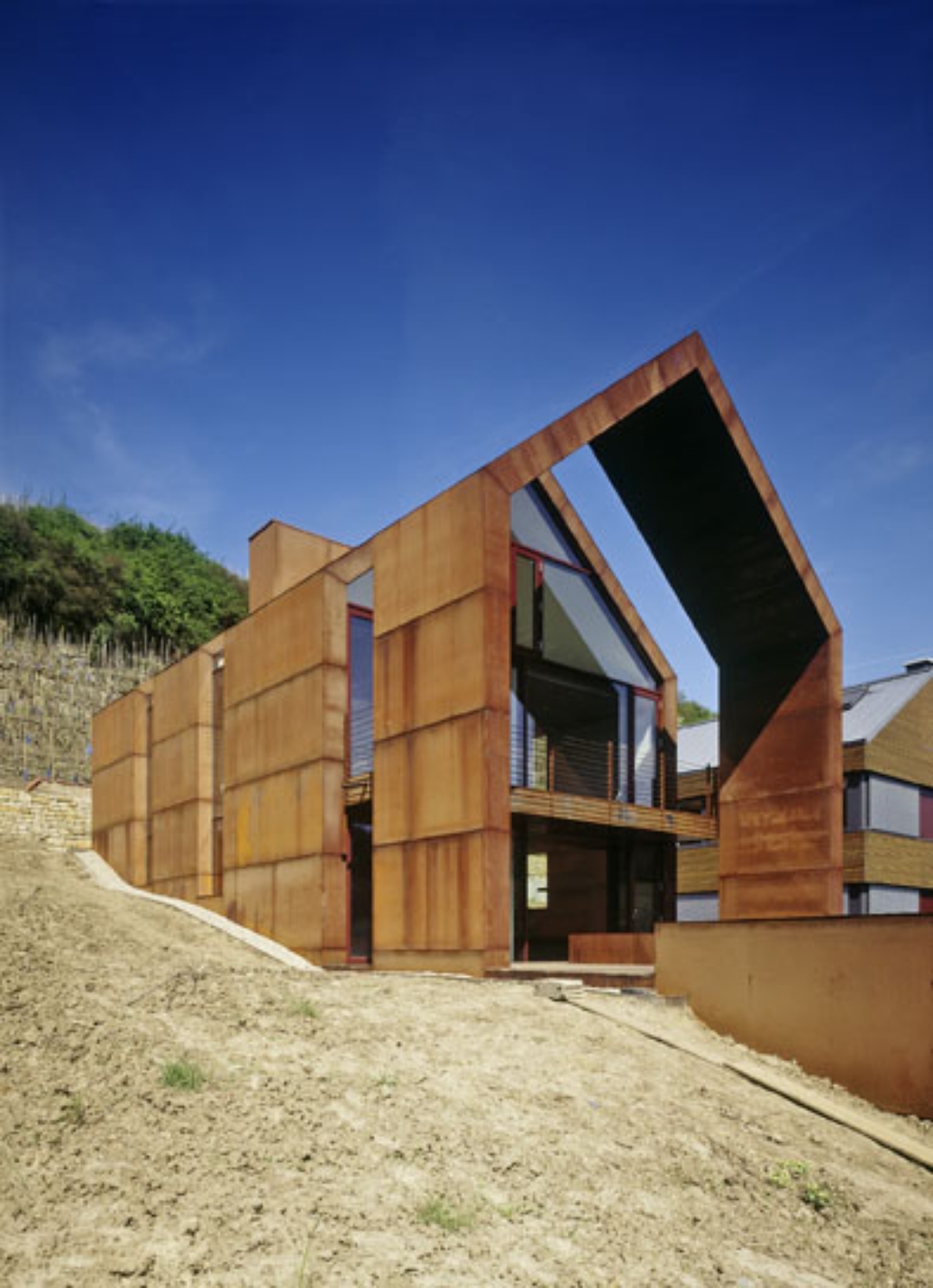
Haus Wurth by Hermann&Valentiny and Partners

Cor-ten prevents this by incorporating less reactive metals such as copper and nickel into the steel during its formation. The new alloys in the steel form a connective matrix throughout. This “sticks” the rust formed to the surface, creating a protective barrier similar to skin.

Read the full article on Architizer here.

Rust1

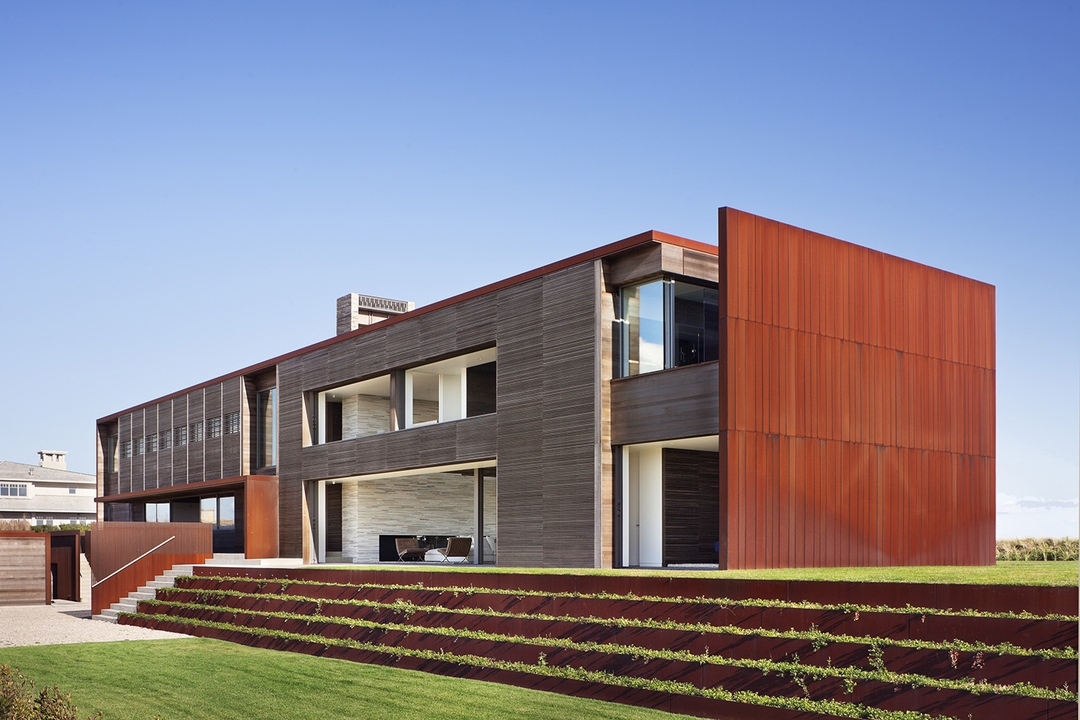
Sagaponack House by Bates Masi + Architects

Makers With Agenda

Makers1

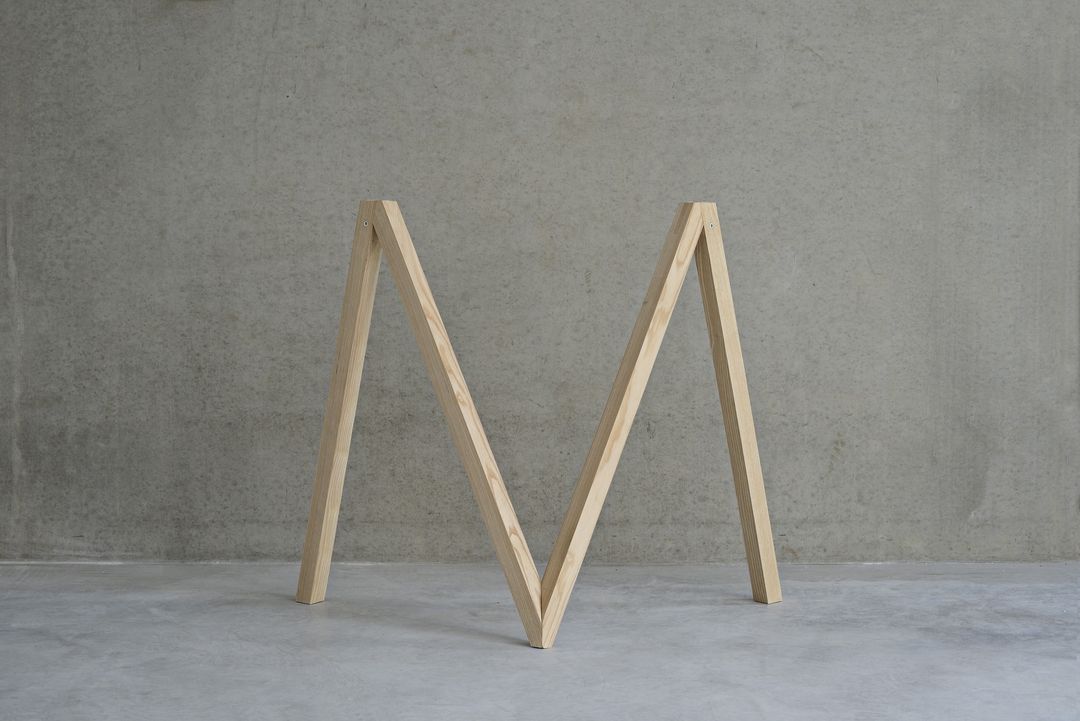
T.4.2 by Makers With Agenda

To have an agenda is to have a distinct plan of action; there is intent as well as commitment.

That’s the thinking behind Makers With Agendas, a new design firm founded byJulien de Smedt of JDS, along with William Ravn and partner Wouten Dons. MWA seeks to directly address the question of design improving the lives of the user. Like de Smedt’s projects with JDS, MWA’s designs focus utility and versatility. “If a design centers exclusively around subjective beauty, I feel cheated,” says de Smedt of his design philosophy. “The concept of beauty is determined culturally; it is forged in our upbringing. It is not something you can completely rationalize. If you can say that a building succeeds in doing what was intended, it is much more beautiful and convincing in my opinion.”

Read the complete article on Architizer here.
makers2 makers3 makers4

Accordion by Makers With Agenda

A Residential Parthenon In Athens

AthensHome

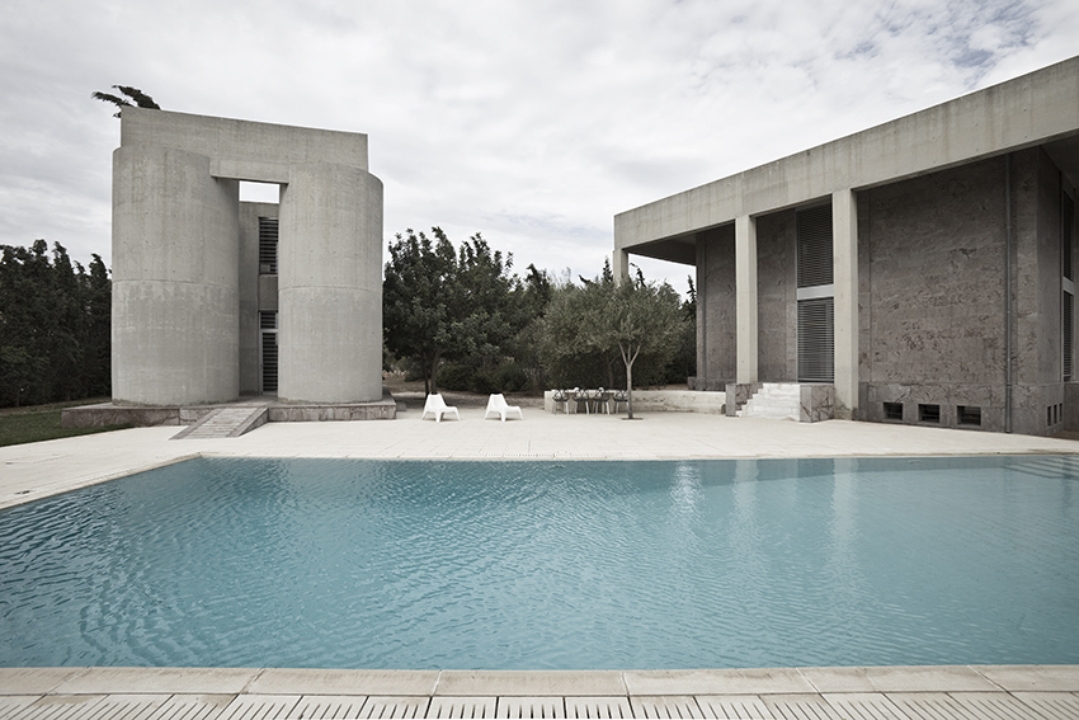
A House In Three Buildings by Nikos Smyrlis Architect

Located in Athens, Greece, A House In Three Buildings by Nikos Smyrlis Architectis indebted to the historical and environmental setting in which it is located. Athens is also home to the Parthenon, a shining example of classical architecture that influenced the ideals of modernism. A young Le Corbusier visited the building at the age of 24, returning every day for three weeks.

AthensHoe

A House In Three Buildings by Nikos Smyrlis Architect

One of the most striking aspects of the Parthenon to the young Corbusier was how the structure related to the topography, sky, and built environment surrounding it. A House In Three Buildings engages its surroundings using a similar method: movement between buildings not only switches functions, it also blurs the distinction of interior and exterior. A central square near the pool has a direct view of the nearby sea and is utilized as an open-air dining room.

Read the complete article on Architizer here.

AthensHome1

A House In Three Buildings by Nikos Smyrlis Architect